



Vitiligo
Latest News
Advertisement
Latest Videos





Advertisement
More News

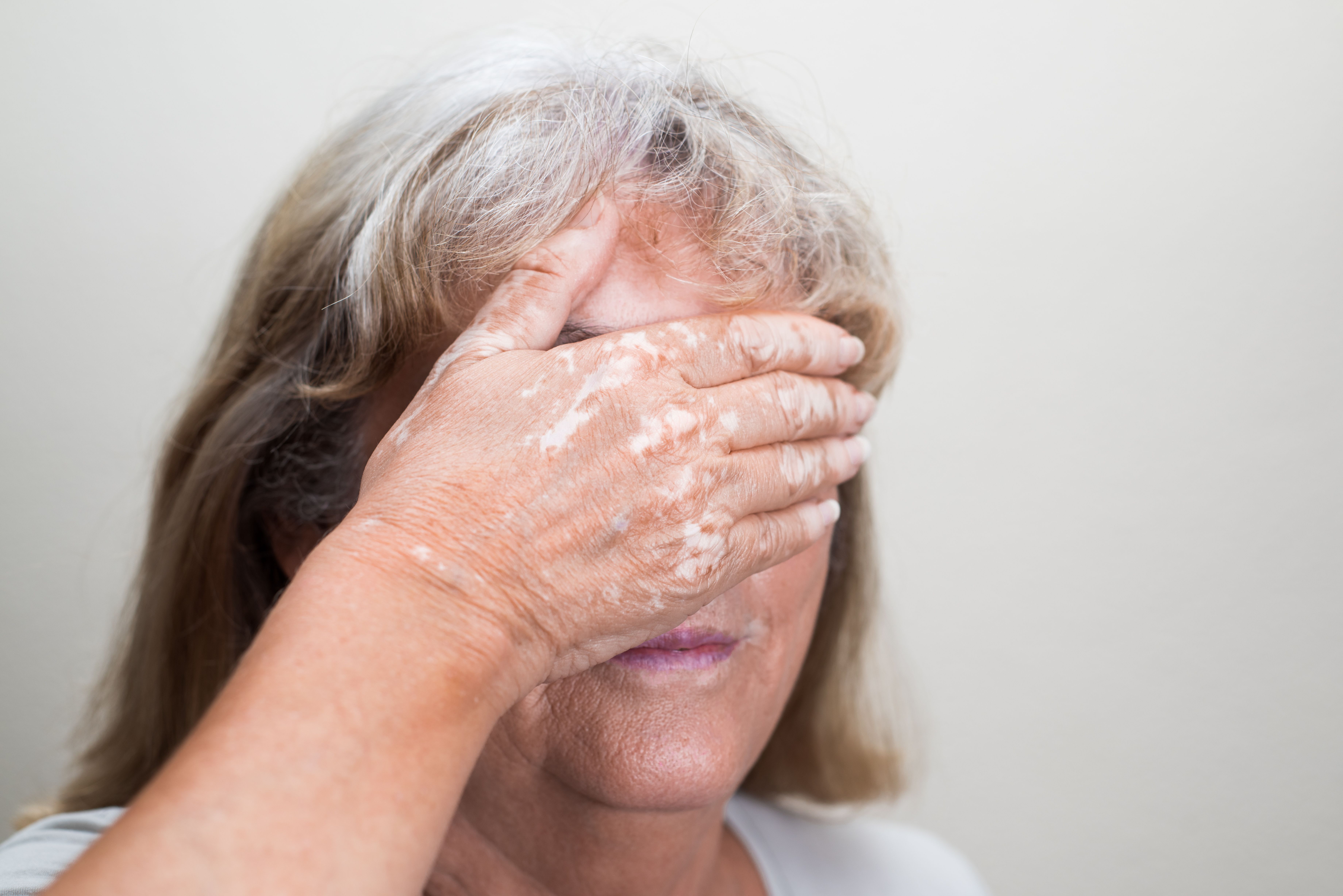
Vitiligo and psychiatric disorders share a strong connection, with up to 90% of vitiligo patients having comorbid psychiatric conditions.

Clinicians can use culturally competent care to ease patients’ concerns with identity and better understand the emotional toll of the condition.

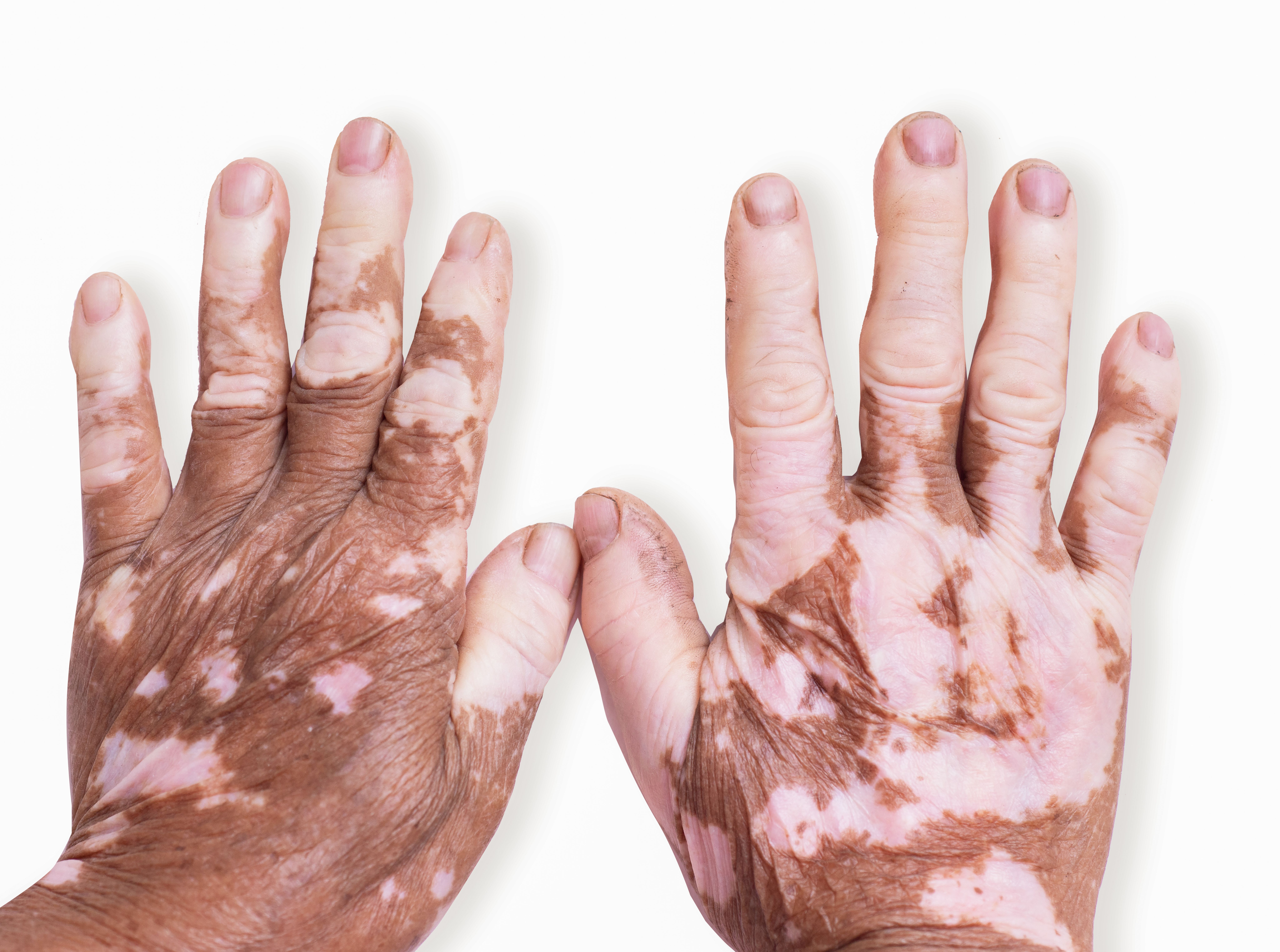
Chesahna Kindred, MD, MBA, FAAD, and Renata Block, PA-C, review areas of the body that are typically affected, and are more problematic to manage, in patients with vitiligo. Comorbidities that put certain patients at higher risk than others are also discussed.
A panel of experts discuss the diagnosis and pathophysiology of vitiligo.

The VIOLIN study examined the burden of disease, prevalence, and treatment of vitiligo in patients in France.

PRP is both safe and effective and may be used as a therapeutic option or alternative in conditions like vitiligo or in wound healing.

Both modalities achieved positive results and accurate ablation in cultured epithelial sheets transplantation for patients with vitiligo.

Scientists say the new findings could lead to new drugs for vitiligo and other pigmentation diseases.

The multi-million-dollar study will identify signatures of at-risk patients that may predispose them to developing vitiligo.

A pediatric patient with treatment-resistant vitiligo experienced improvements in depigmentation in as few as 9 treatments.

A systematic review found that combination therapy proved more efficacious in treating patients with vitiligo as opposed to the excimer laser alone.

Incyte representative Todd Edwards discusses how the awards help address challenges faced by patients with vitiligo.

As we have surpassed the halfway mark of 2023, Dermatology Times is spotlighting vitiligo coverage and news from the first half of year.

The authorization comes just over 2 months after the drug’s approval in the European Union.

Trained immunity may act as an enhancer and continuous trigger in the disease’s pathogenesis.

The combination of therapies achieved significant efficacy, with researchers noting a higher cure rate than is evident in other therapies for the condition.

In recognition of World Vitiligo Day, the Dermatology Times team is spotlighting advances and educational opportunities for the condition.

Despite this, researchers found that Hsp70 plasma levels did not correlate with the extent of disease.
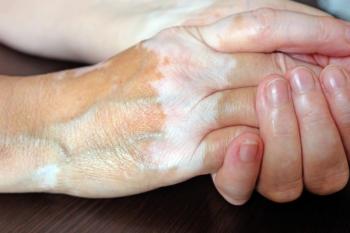
Investigators compared data among patients with vitiligo and the general population.

More research is needed to specify long-term efficacy of the treatment and its ideal dose.

Pandya gives an in-depth overview of his vitiligo treatment pearls from the 2023 Pigmentary Disorders Exchange Symposium.

Hamzavi spoke at the 2023 Pigmentary Disorder Exchange Symposium in Chicago.

The pigment disorder is associated with several autoimmune and systemic comorbidities.

Researchers compared counts between patients with vitiligo and a control group of patients.

Researchers have identified what may be the first report of vitiligo induced de novo by dupilumab therapy.
Advertisement
Advertisement
Trending on Dermatology Times
1
From Mechanism to Management: Navigating Male Pattern Hair Loss and New Topical Therapies
2
FDA Approves Baricitinib for Adolescents With Severe Alopecia Areata
3
Tremfya Meets Primary, Major Secondary Endpoints in Phase 4 STAR Study of Axial PsA
4
Dr. Charrow Highlights Earlier Biologic Use and Deroofing in Hidradenitis Suppurativa
5