


Feature|Videos|November 13, 2025
Future Therapeutic Pathways and Combination Strategies in Vitiligo Management
Marc Serota, MD, discussed upcoming systemic JAK inhibitors, the value of ruxolitinib cream and phototherapy, and a personalized multimodal approach to improve repigmentation outcomes.
Advertisement
Episodes in this series



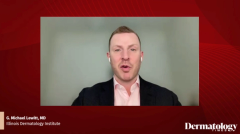

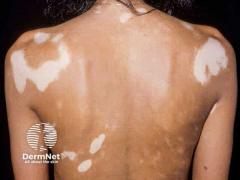
In a recent Dermatology Times Expert Perspectives custom video series, Marc Serota, MD, a dermatologist also board-certified in pediatrics, allergy and immunology, and obesity medicine at Epiphany Dermatology in Littleton, Colorado, recently discussed his key considerations for treating vitiligo and the evolving role of topical agents.
Serota discussed the evolving therapeutic landscape in vitiligo care, emphasizing growing enthusiasm around systemic options currently under investigation. While ruxolitinib cream (Opzelura; Incyte) remains the central FDA-approved topical JAK inhibitor for nonsegmental vitiligo, Serota noted that systemic JAK inhibition represents the next frontier. Drawing parallels to the transformative impact of systemic JAK inhibitors in alopecia areata, he expressed optimism about the potential for future indications, pending supportive data and regulatory review.
In clinical practice, Serota stressed the importance of individualized treatment planning, as repigmentation patterns vary significantly from patient to patient. He emphasized that certain sites—particularly the hands—remain challenging due to lower follicular density and limited melanocyte reservoirs. In these cases, he often integrates phototherapy to enhance repigmentation potential. Localized, portable phototherapy units can be an effective and practical solution, offering targeted exposure while remaining accessible and easy to incorporate into daily life.
Serota frequently employs a combination strategy, using what he describes as an “all-hands-on-deck” or “kitchen sink” approach when single modalities fall short. Layering therapies, including ruxolitinib cream plus targeted phototherapy, can improve outcomes by addressing multiple aspects of disease biology simultaneously. He noted several patients with incomplete hand repigmentation who achieved meaningful progress once appropriate localized phototherapy was added.
Although the primary discussion centered on vitiligo, Serota also briefly reflected on his Fall Clinical 2025 session addressing GLP-1 agonists in dermatology. He underscored the relationship between obesity, inflammation, and psoriatic disease, encouraging clinicians to recognize adipocyte-driven inflammatory signaling as part of the pathophysiology. Although this concept was discussed in the context of psoriasis rather than vitiligo, he reiterated the importance of addressing systemic inflammatory contributors when managing complex dermatologic conditions.
Advertisement
Related to this article

Longer treatment duration was independently associated with VASI improvement, while publicly insured patients experienced higher topical JAK inhibitor denial rates.

The merger, backed by an oversubscribed $180 million private placement, will fund development of NOR-101, an IL-13 x IL-18 bispecific antibody entering phase 1 trials in atopic dermatitis in early 2027.
Maui Derm NP+PA Fall 2026 brought APPs together for updates spanning inflammatory disease, oncology, emerging therapies, and diagnostic challenges.

LEO Pharma has closed its acquisition of dersimelagon from Tanabe Pharma after the FDA accepted the drug's NDA for filing and granted Priority Review, with a PDUFA date expected by the end of February 2027.
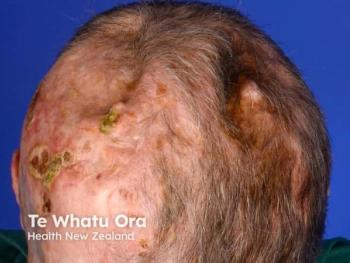
Sol-Gel Technologies has completed patient follow-up in its pivotal phase 3 trial of SGT-610 (patidegib gel, 2%) for Gorlin syndrome, with top-line results expected in late November 2026.

Two small clinical studies evaluated skincare and dermabrasion for changes in skin quality among individuals taking medical weight loss medications.

Two-year POETYK PsA-2 data showed sustained ACR and minimal disease activity responses with deucravacitinib and no new safety signals.

Faculty from the Cutaneous Oncology Workshop answer practical questions spanning skin cancer prevention, diagnosis, treatment, and follow-up.
Advertisement
Advertisement
Trending on Dermatology Times
1
Clascoterone 5% Topical Solution Shows Long-Term Promise for Male Pattern Hair Loss
2
Dersimelagon NDA Accepted by FDA with Priority Review for EPP, XLP
3
Neutrogena Launches New Sunscreens With Newly Permitted UV Filter Bemotrizinol
4
Two-Year POETYK PsA-2 Data Show Durable Deucravacitinib Responses in Psoriatic Arthritis
5