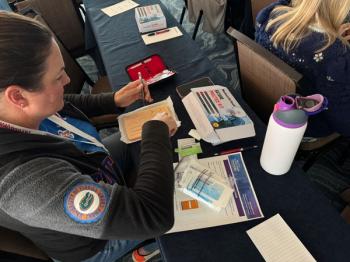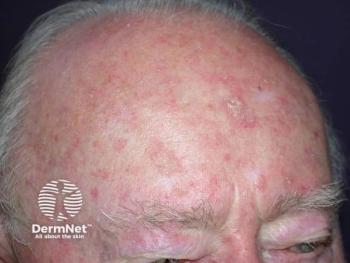
An HS toolbox with wound care, symptom relief, and personal care supplies can help patients stay prepared for unexpected flares.
At Elevate-Derm, Buchi Neita, PA-C, discussed treatment expectations for vitiligo, triple-combination cream for acne, early diagnosis in HS, and what she’s looking forward to in the 2026 pipeline.
“For all my colleagues out there, I would encourage you to use your platforms, be it social media, local community events, or even in your clinic, to educate and spread awareness about HS,” said Buchi Neita, PA-C, in an interview at the
Neita, a board-certified physician assistant at Epiphany Dermatology in Peachtree City, Georgia, presented alongside Diego Ruiz Dasilva, MD, to discuss practical tips for NPs and PAs treating patients with vitiligo. She also filmed 2 live recordings of the
In a panel discussion with Dasilva, Buchi discussed the need to reframe vitiligo as a chronic autoimmune inflammatory disease rather than a purely pigmentary disorder. She highlighted its well-established associations with psoriasis, alopecia areata, thyroid disease, and psychiatric comorbidities, noting the substantial quality-of-life burden experienced by many patients. Neita encouraged clinicians to avoid assumptions about treatment goals and to directly assess whether patients prefer topical therapy, phototherapy, combination regimens, or no active treatment at all.
She stressed the importance of expectation setting, particularly regarding time to response, as meaningful repigmentation may take 6 to 12 months. Clinicians should also counsel patients on site-specific variability, with the face and trunk repigmenting more readily than acral sites. Neita reminded colleagues that combination therapy is often more effective than monotherapy, integrating topical and oral JAK inhibitors, topical steroids, TCIs, and phototherapy to optimize outcomes.
During a live SkinSync podcast session with Hilary Baldwin, MD, Neita and Miranti reviewed the evolving acne landscape, focusing on the emergence of triple-combination topical therapy (Cabreo) that combines clindamycin, benzoyl peroxide, and adapalene in a single formulation. The product targets inflammation, C. acnes, and follicular hyperkeratinization, addressing 3 of the 4 pillars of acne. Neita highlighted the stewardship advantages of pairing clindamycin with benzoyl peroxide to limit resistance and potentially decrease reliance on oral antibiotics. Baldwin also emphasized the value of evidence-based, FDA-approved therapies over compounded formulations lacking robust data, noting that a single, well-tolerated combination product can simplify regimens and improve adherence.
In a second live podcast taping, Neita and Miranti spoke with Robert Micheletti, MD, about the rapidly shifting HS treatment landscape. They discussed the consequences of delayed diagnosis—often 5 to 7 years—and the importance of intervening during the early “window of opportunity” to prevent progression to sinus tracts and scarring. Beyond disease activity, they discussed the psychosocial and systemic comorbidities common in HS, including depression, anxiety, metabolic syndrome, and cardiovascular disease.
Neita reviewed current management strategies incorporating the two FDA-approved IL-17 inhibitors, emerging oral JAK inhibitors, and procedural approaches such as deroofing rather than incision and drainage for acute abscesses. Central to her message was the need for compassionate, collaborative care, given the history of dismissal and undertreatment many HS patients have experienced. She also reflected on a recent education event at Atlanta City Hall, where public outreach highlighted the value of awareness and validation for individuals living with HS.
Looking ahead, Neita expressed her excitement for several anticipated advances, including the first oral IL-23 inhibitor, icotrakinra; OX40 inhibitors for atopic dermatitis; new oral agents for vitiligo; and porvorcitinib and other emerging options for HS. She noted that 2026 is poised to deliver meaningful innovation across inflammatory and pigmentary disease categories, offering clinicians expanded tools to address complex dermatologic conditions.