Longer treatment duration was independently associated with VASI improvement, while publicly insured patients experienced higher topical JAK inhibitor denial rates.
This review of the latest dermatological studies includes insights on vitiligo cultural beliefs, home-based phototherapy, digital search behavior in NSV patients, and more.
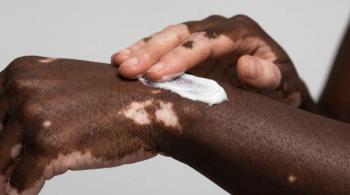
This systematic review evaluates cross-cultural beliefs, stigma, and psychosocial burden associated with vitiligo. An analysis of 23 studies revealed that cultural interpretations of vitiligo vary widely, with some populations attributing the condition to contagion, divine punishment, or supernatural causes, particularly in regions with limited health literacy and restricted access to dermatologic care. Stigmatization was consistently reported and included social exclusion, discrimination in employment and marriage, and internalized shame. These effects were often more pronounced among women and individuals with darker skin phototypes. Quality of life impairment was greater in African, Middle Eastern, and South Asian populations compared to Western cohorts. Common coping strategies included concealment of lesions, reliance on spiritual beliefs, and use of complementary and alternative medicine.1
A recent systematic review and meta-analysis evaluated the efficacy, safety, and adherence of home-based narrowband UVB (HBUVB) phototherapy for vitiligo compared with in-office UVB (IOUVB). Eighteen studies involving 1,341 patients were included, with four studies contributing to meta-analysis. HBUVB demonstrated comparable efficacy to IOUVB, with no significant difference in achieving >50% (OR 1.04) or >75% repigmentation (OR 1.26). Approximately 39.6% of patients receiving HBUVB achieved >50% repigmentation, particularly in treatment-responsive areas such as the face and neck. Safety profiles were similar, with no increased risk of erythema or burning. Notably, HBUVB showed improved adherence, with a 14% lower discontinuation rate compared to IOUVB. Additional advantages included reduced cost and greater convenience, minimizing the need for frequent clinic visits.2
This retrospective observational study analyzed multilingual Google search queries to explore cultural differences in vitiligo-related information needs in Germany. A total of 7.8 million searches (2019–2023) across six languages (German, Turkish, Arabic, English, Russian, Polish) were categorized thematically. “General information” was the most common search category overall, whereas “treatment options” predominated in Arabic queries. Notably, Turkish- and Arabic-language searches more frequently referenced alternative therapies, home remedies, and faith-based coping, while evidence-based treatments were less commonly queried. Differences were also observed in interest in camouflage, depigmentation, and psychosocial burden. These patterns likely reflect disparities in healthcare access, health literacy, and language barriers rather than inherent cultural preferences. The findings highlight unmet informational needs among linguistically diverse populations and underscore the importance of culturally sensitive, multilingual patient education.3
A cross-sectional survey of 522 US adolescents and adults with nonsegmental vitiligo (NSV) evaluated treatment priorities and unmet needs using a modified Outcome-Driven Innovation framework. Patients rated the importance of 26 treatment attributes and their satisfaction with current therapies. Three preference segments emerged: efficacy (35%), administration/dosing (30%), and safety (35%). Across the cohort, the most important attributes included extent of repigmentation, improvement in emotional well-being, and availability of systemic therapies targeting the entire body. Overall satisfaction with current treatments was modest, with substantial unmet needs identified—particularly for efficacy and treatment delivery. The most underserved attributes were improvement in emotional well-being from repigmentation (15.6%) and access to systemic therapies (15.1%). Patients with more extensive disease (≥5% body surface area) prioritized efficacy and whole-body treatment more strongly than those with limited involvement.4
In this narrative review, researchers evaluated predictors of response to topical ruxolitinib 1.5% cream in non-segmental vitiligo, synthesizing data from 14 clinical trials and observational studies through June 2025. Anatomical location emerged as the most consistent predictor of treatment success, with facial lesions demonstrating the highest rates of repigmentation and acral areas showing limited response. Early clinical improvement was also strongly associated with favorable long-term outcomes. Evidence suggests that repigmentation may persist after treatment discontinuation in a subset of patients. In contrast, demographic and disease-related factors—such as age, sex, disease duration, and phototype—showed inconsistent associations with efficacy. Adjunctive narrowband UVB therapy improved outcomes in initial non-responders but offered minimal added benefit for early responders. Emerging biomarker data, including Th2 cytokine profiles and reductions in CXCL10, may correlate with response, though validation is lacking.5
References
1. Ma S, Zieneldien T, Tan IJ, Jafferany M. Cross-Cultural Beliefs and Stigmatization in Vitiligo: A Systematic Review. J Cosmet Dermatol. 2026;25(4):e70725. doi:10.1111/jocd.70725
2. Xireaili F, Ha H, Liu ZF, et al. The Effectiveness of Home-Based Phototherapy in Vitiligo: A Systematic Review and Meta-Analysis. Photodermatol Photoimmunol Photomed. 2026;42(2):e70079. doi:10.1111/phpp.70079
3. Rauch L, Gasteiger C, Böhm M, Pliszewski G, Biedermann T, Zink A. Multilingual Digital Search Behavior Reveals Cultural Disparities in Vitiligo Information Needs in Germany. Int J Dermatol. Published online March 9, 2026. doi:10.1111/ijd.70385
4. Hamzavi I, Coulter J, Darnell S, et al. Treatment priorities and unmet needs according to adults and adolescents with nonsegmental vitiligo in the United States. J Dermatolog Treat. 2026;37(1):2645479. doi:10.1080/09546634.2026.2645479
5. Bettolini L, Maione V, Carugno A, et al. Predictors of Response to Topical Ruxolitinib in Non-segmental Vitiligo: A Narrative Review. Australas J Dermatol. Published online March 16, 2026. doi:10.1111/ajd.70090