
Discover the latest breakthroughs in atopic dermatitis and psoriasis treatments for 2025, enhancing patient care and individualizing therapy options.
Discover the latest breakthroughs in atopic dermatitis and psoriasis treatments for 2025, enhancing patient care and individualizing therapy options.

This review of the latest dermatologic studies includes case studies on allergic contact dermatitis from UV nail polish, the introduction of the visual aesthetics methodology, a review of topical timolol, and more.
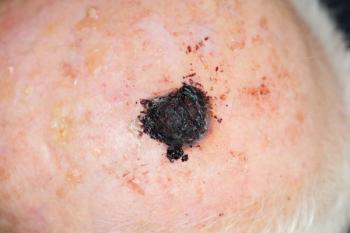
An expert panel endorses Castle Biosciences’ 31-GEP test, enhancing melanoma management through personalized risk assessment and improved prognostic accuracy.

At the Horizons in Advanced Practice meeting, Douglas DiRuggiero, DMSc, MHS, PA-C, discussed psoriasis in high-impact sites, overall psoriatic disease, and available therapies.
Wildfire air pollution significantly increases atopic dermatitis and itch-related dermatologic visits, highlighting the urgent need for skin protection during poor air quality.

In part 2 of this Case-Based Roundtable supplement, experts discuss therapeutic options for psoriasis when considering involvement of special areas.

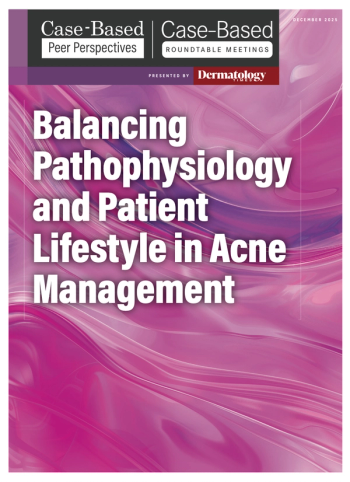
In part 1 of this supplement, experts discuss current and emerging treatments for patients, considering lifestyle choices.

A bentonite and Alcea sulphurea facial mask significantly improved acne severity and patient satisfaction in a recent clinical trial.

GT20029 shows promising results in treating androgenetic alopecia, enhancing hair density with minimal adverse effects in men after 12 weeks.
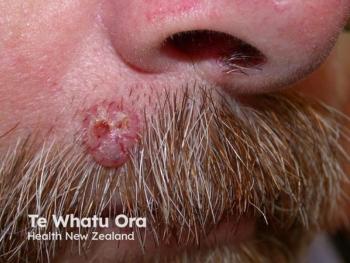
Topline results are expected in the first quarter of 2026.
In part 1 of this Case-Based Roundtable supplement, experts discuss biologic treatment options for psoriasis, and balancing efficacy with patient needs.
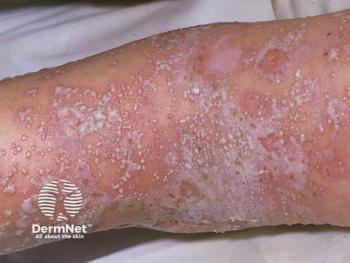
The BLA is supported by phase 3 data demonstrating rapid skin clearance and sustained disease control in patients with GPP.
Experts discuss innovative, steroid-sparing treatments for pediatric atopic dermatitis, emphasizing personalized care and proactive management strategies.

Put your dermatology expertise to the test with Dermatology Times’ interactive quiz series!

Explore the top headlines of the week, including insights on the latest clinical trials, therapeutic updates, and more.

In case you missed it, this week we had news about the first commercial treatment of Zevaskyn for RDEB, the global prevalence of HS, a new STAT6 degrader for AD, and more.

This week, we feature top articles from our sister publications on regulatory updates, clinical trial insights, and more.

John Barbieri, MD, MBA, discusses how deteriorating prior authorization processes are compromising access to essential dermatologic therapies.
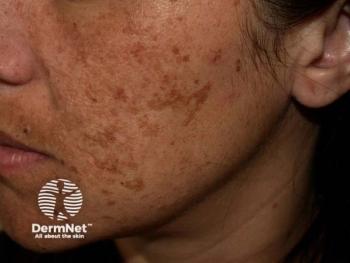
An updated review offers effective alternatives to hydroquinone for melasma treatment, including thiamidol and natural agents, with improved safety profiles.
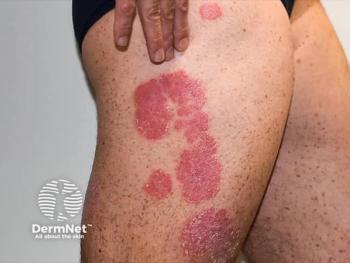
A meta-analysis of over 800,000 patients shows JAK inhibitors are generally as safe as TNF antagonists for various purposes.
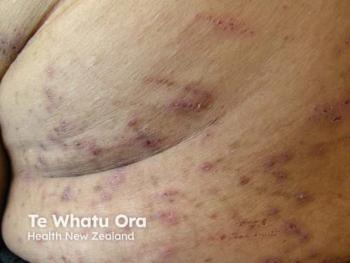
Galderma initiates a pivotal study on nemolizumab, targeting Chronic Pruritus of Unknown Origin, aiming to provide relief for this challenging condition.
Explore the emerging concept of PDE4 inhibitor-responsive dermatoses, offering innovative nonsteroidal treatments for chronic inflammatory skin conditions.
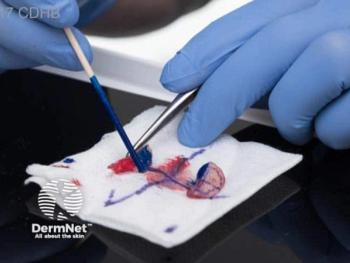
President Biden's Mohs surgery highlights the need for equitable access to this effective skin cancer treatment, emphasizing its benefits and ongoing disparities.

Discover how the SkinCARE Questionnaire can measure the emotional impact of everyday skin health, enhancing understanding of skin-related wellbeing in healthy individuals.
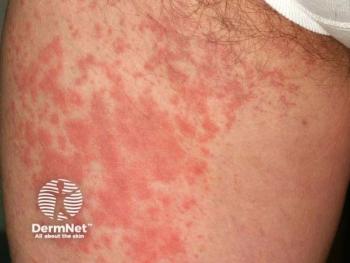
Explore the long-term efficacy and safety of ligelizumab for CSU, highlighting self-administration success and significant symptom control.

FDA proposes adding bemotrizinol to sunscreen ingredients, enhancing UV regulations and protection options for consumers for the first time since 1999.
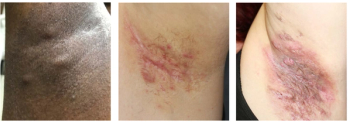
A new global study reveals hidradenitis suppurativa affects 1 in every 100 people, highlighting the need for increased awareness and improved health care strategies.


Discover how anatomical variations impact the minimal erythema dose in 308-nm excimer laser therapy for vitiligo in Asian patients.
