The merger, backed by an oversubscribed $180 million private placement, will fund development of NOR-101, an IL-13 x IL-18 bispecific antibody entering phase 1 trials in atopic dermatitis in early 2027.
Wildfire air pollution significantly increases atopic dermatitis and itch-related dermatologic visits, highlighting the urgent need for skin protection during poor air quality.
With the increasing frequency and severity of wildfires across the western US, concerns about the dermatologic impact of acute air pollution exposure may arise.1 While the respiratory and cardiovascular consequences of wildfire smoke have been well documented, its short-term effects on inflammatory skin diseases remain less clearly defined.
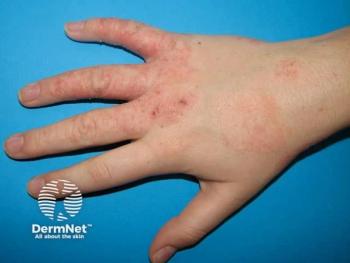
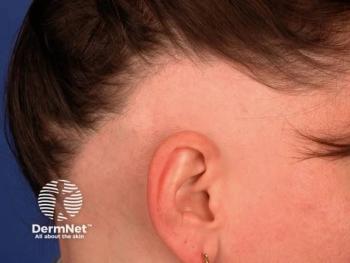
A cross-sectional time-series study has evaluated the association between wildfire-related air pollution health care utilization for atopic dermatitis (AD) and itch among pediatric and adult patients. Researchers focused on the 2018 California Camp Fire, one of the deadliest and most destructive wildfires in modern history, and how it impacted residents in San Francisco. Although 175 miles from the wildfire source, this area saw a significant spike in air pollution concentrations (PM2.5 levels) and dense smoke plume coverage, along with decreased humidity for 2 weeks.2
The trial analyzed 8,049 visits representing 4,147 unique patients treated at the University of California, San Francisco, dermatology clinics between October 2018 and February 2019. These data were compared with clinic visits during the same calendar periods in 2015 and 2016, years without major regional wildfires, to establish a baseline.
Environmental exposure was quantified using 3 complementary metrics: weekly fire status (presence or absence of wildfire), particulate matter less than 2.5 µm (PM2.5) concentrations, and satellite-derived smoke plume density. Clinical outcomes included weekly counts of AD- or itch-related visits, along with prescriptions for adult AD medications.
During and immediately following the 2-week spike, dermatology clinics experienced a noticeable rise in AD and itch visits. Adjusted analyses controlling for temperature, relative humidity, age, and clinic volume demonstrated a significant association between wildfire-related pollution and dermatologic symptom exacerbations.
For pediatric AD visits, the weekly visit rate during wildfire weeks was 1.49 times that of non-fire weeks (95% CI, 1.07–2.07). Adult AD visits also increased significantly, with a rate ratio of 1.15 (95% CI, 1.02–1.30). Exposure-response analyses showed that for children, each 10-µg/m³ increase in PM2.5 corresponded to a 5.1% increase in AD visits. A similar pattern was observed for smoke plume density. These associations were strongest at lag 0, suggesting a rapid onset of symptom exacerbation following exposure.
Wildfire smoke also increased clinical encounters for itch, with the largest effects observed among children. Pediatric itch visits were 1.82 times higher during wildfire weeks (95% CI, 1.20–2.78), and each 10-µg/m³ rise in PM2.5 was associated with a 7.7% increase in itch visits. Although adults demonstrated elevated rate ratios for itch, these did not reach statistical significance, which could potentially reflect differences in care-seeking behavior or baseline disease burden.
Importantly, the investigators also found an association between wildfire smoke and increased prescribing of systemic AD therapies in adults, typically used for more severe or refractory disease. During wildfire weeks, systemic medication prescribing increased 1.45-fold (95% CI, 1.03–2.05), while increases in topical prescribing were generally not significant.
As the authors emphasized, these findings reinforce mechanistic data implicating air pollution in AD pathogenesis, including oxidative stress, aryl hydrocarbon receptor activation, and proinflammatory cytokine induction. Notably, most adults presenting with itch during the wildfire period did not carry a prior AD diagnosis, raising the possibility that smoke exposure may provoke symptoms in patients with subclinical disease or otherwise sensitized skin. Clinically, this supports broad patient counseling regarding skin protection during poor air quality events, including optimizing barrier repair, increasing emollient use, and minimizing exposure.
Overall, it is evident that short-term wildfire-related air pollution is associated with increased health care use for AD and itch, even in regions distant from fire zones and with generally low baseline pollution levels. As changes in climate drive more frequent and severe wildfire seasons, dermatologists and public health practitioners should anticipate episodic surges in inflammatory skin disease activity and incorporate air-quality counseling into patient management. Future research should explore effects on other inflammatory dermatoses like psoriasis and further assess environmental disparities that place vulnerable communities at disproportionate risk.
References
1. Fadadu RP, Grimes B, Jewell NP, et al. Association of Wildfire Air Pollution and Health Care Use for Atopic Dermatitis and Itch. JAMA Dermatol. 2021;157(6):658-666. doi:10.1001/jamadermatol.2021.0179
2. Fagan K, Tucker J, Mcbride A. Camp Fire: what we know about the deadly blaze that destroyed Paradise. SFGate. Published November 19, 2018. Accessed December 16, 2025.