



Alopecia
Latest News
Advertisement
Latest Videos








Shorts

0:29
Stop Believing This Hair Washing Myth
4 days ago
by
Oyetewa Asempa, MD, FAAD

0:45
Why 86% of Patients Reported Feeling Better With This Hair Treatment
2 months ago
by
Maryanne Makredes Senna, MD

0:45
1.5x Better Hair Growth? Extended-Release Oral Minoxidil Explained
3 months ago
by
Maryanne Makredes Senna, MD

1:30
Why Timing Is Everything With Oral Minoxidil for Pattern Hair Loss
3 months ago
by
Christopher G. Bunick, MD, PhD(+1 more)

1:08
Why LPP and Cicatricial Alopecias are Trichologic Emergencies
4 months ago
by
Kristen Lo Sicco, MD

0:55
How Deuruxolitinib Blocks Autoimmune Hair Loss in Alopecia Areata
a year ago
by
Vimal Prajapati, MD, FRCPC, DABD
CME Content






Advertisement
More News
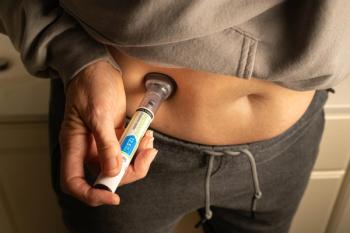
Findings support ongoing pharmacovigilance monitoring of GLP-1 receptor agonists for hair loss, particularly as semaglutide and tirzepatide use continues to expand.
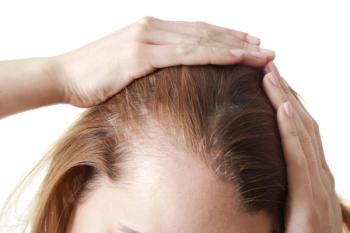
AI analysis of 187,016 menopausal women links hair loss severity to thyroid disease, gut symptoms, scalp inflammation, and genetics, supporting broader diagnostic workups beyond hormones.

Dermatology Times' editor in chief highlights essential late-breaker data from AAD 2026, including upadacitinib, rezpegaldesleukin, icotrokinra, zasocitinib, envudeucitinib, sonelokimab, and more.

Turmeric and curcumin supplements used for hair loss are increasingly associated with rare but serious cases of liver injury.

New sham-controlled trial finds niostem's at-home wearable using low-level electrical stimulation boosts hair density in men, with minimal adverse effects.

Maria Hordinsky, MD, breaks down phase 3 data that show topical clascoterone boosts male pattern hair growth for 12 months, targeting follicles without systemic hormonal adverse effects.
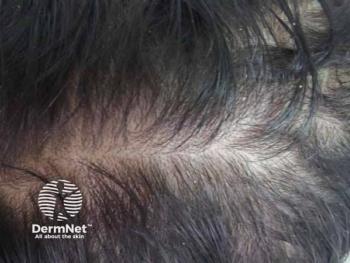
Weekly microneedling combined with daily topical 5% minoxidil produced statistically significant hair density gains in 40 women with female pattern hair loss.

The application is based on phase 3 UP-AA trial data showing significant hair regrowth in patients with severe alopecia areata.
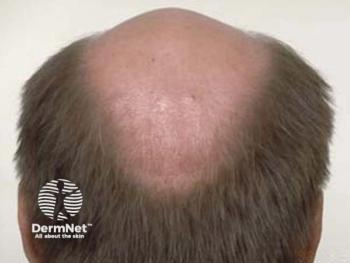
Part A of Study '302' demonstrated statistically significant and clinically meaningful hair growth in men with androgenetic alopecia, with a favorable safety profile and no cardiac adverse events.
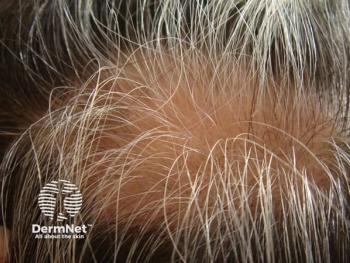
Combination therapy may be particularly beneficial for frontal hairline regrowth, a traditionally difficult area to treat.
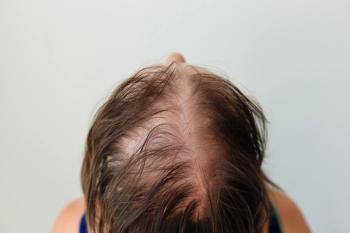
REZPEG shows growing hair regrowth at 52 weeks in severe alopecia areata, with favorable safety, hinting at a new biologic alternative to JAKs.
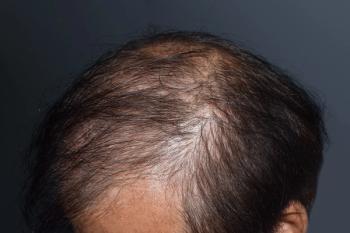
Phase 3 data show clascoterone solution sustains hair regrowth for 12 months with vehicle-like safety, paving the way for a novel male androgenetic alopecia option.
Although dermatologists are not expected to routinely prescribe GLP-1 drugs, they are increasingly encountering cutaneous effects, especially hair loss and facial volume loss.
The inaugural DermVIP Summit will be held from May 8 to 9 at the New York Academy of Medicine.
Hope Mitchell, MD, shared practical strategies for protecting and cultivating an online presence at the 2026 American Academy of Dermatology Annual Meeting.

Experts discuss how clinicians translate clinical trial results into practical treatment decisions for alopecia areata.
At AAD 2026, Christopher Bunick, MD, PhD, and Reid Waldman, MD, discuss investigational VDPHL01, extended-release oral minoxidil, for the treatment of women and men with pattern hair loss.

Pelage’s PP405 novel topical reawakens dormant follicle stem cells, showing signs of terminal regrowth and fueling late-stage alopecia research.
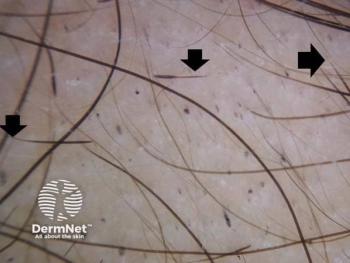
The upcoming trial will assess an injectable formulation of Xvie, distinct from its currently available topical counterpart.
Experts discuss why alopecia areata should be viewed as a systemic condition with psychosocial consequences beyond visible hair loss.
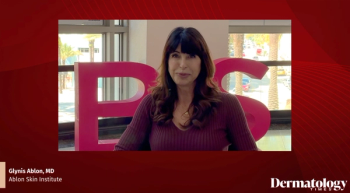
Glynis Ablon, MD, FAAD, shares insights on diagnosing alopecia fast, managing aesthetic complications, and choosing evidence-based supplements.

Discover how Nutrafol Men 50+ addresses age-related hair loss in men, combining targeted ingredients for optimal scalp health and hair quality.
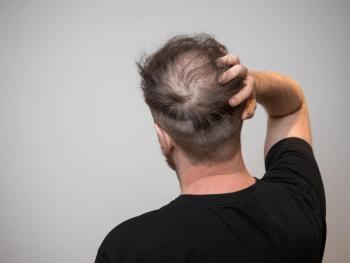
The new therapy targets age-related hair loss with a unique formula, promoting thicker, healthier hair for men over 50.
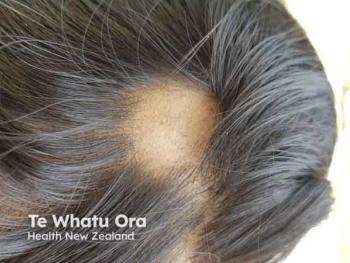
Aclaris Therapeutics' ATI-2138 shows promising rapid hair regrowth in severe alopecia areata models, highlighting its potential as a novel treatment option.
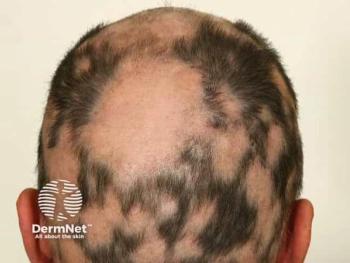
Recent research shows the long-term benefits and safety of low-level laser therapy for androgenetic alopecia.
Advertisement
Advertisement
Trending on Dermatology Times
1
FDA Accepts sBLA for OnabotulinumtoxinA in Masseter Muscle, Pursuing Fifth Aesthetic Indication
2
AAD Pediatric AD Guidelines Back Roflumilast, Ruxolitinib, Tapinarof
3
Zasocitinib Shows High Rates of Scalp Psoriasis Clearance Through Week 24
4
Your Name Is on the Claim: Billing Compliance, Federal Enforcement, and Why the Provider Always Pays
5