Castor oil has become a popular social media remedy for thicker, longer hair, but evidence supporting its ability to stimulate hair growth remains limited.
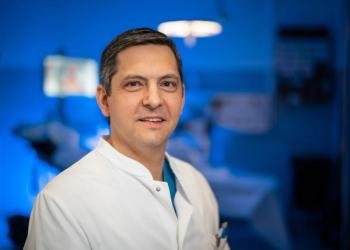
Glynis Ablon, MD, FAAD, shares insights on diagnosing alopecia fast, managing aesthetic complications, and choosing evidence-based supplements.
In an interview with Dermatology Times at
Ablon noted that questions about hair loss are among the most common she receives. She emphasized that accurate diagnosis is the foundation of effective treatment. “The first thing you wanna do is make sure you diagnose the type of alopecia someone has, whether it's scarring, non-scarring, and what version they do have.”
This distinction is especially critical in scarring alopecias, where early intervention can influence long-term outcomes. “The minute you diagnose it, you want to get them on therapy because scarring alopecias progress, and they progress rapidly,” she said. Ablon also highlighted the multifactorial nature of hair loss, cautioning against attributing alopecia solely to heredity. “It's not just genetics,” she explained, pointing to inflammatory, hormonal, nutritional, and lifestyle contributors that may affect disease expression and response to treatment.
When discussing treatment selection, Ablon referenced her 2021 review of androgenetic alopecia therapies, noting that platelet-rich plasma and laser-based devices currently demonstrate some of the strongest clinical evidence. Still, she stressed that combination therapy is often necessary. “What works for one person may not work for another, and combination is always best.”
Beyond alopecia, Ablon addressed aesthetic complications, an area she views as inseparable from procedural dermatology. She emphasized that competency is defined not only by successful outcomes, but by preparedness when complications arise.
“It's not can you handle the 99 cases that go right, it's that one case that goes wrong, and can you take care of the patient?”
She noted that clinicians must understand the risks, benefits, and limitations of every procedure they perform and be prepared to manage adverse events appropriately. In her view, if a practitioner does not know how to handle a potential complication, that procedure may not be appropriate for their practice.
Ablon also discussed nutraceuticals, an area of significant patient interest in alopecia care. While acknowledging that some supplements may be beneficial, she expressed greater trust in companies willing to invest in randomized clinical trials. Products supported by clinical data, she suggested, are more likely to be safe and effective.
In practice, supplements are often incorporated as adjunctive therapy rather than substitutes for medical treatment or proper nutrition. Ablon noted that while ideal nutrition could theoretically meet all micronutrient needs, most patients fall short, making supplementation a practical addition for some individuals.
Taken together, Ablon’s insights reflect a comprehensive approach to aesthetic dermatology—one that integrates alopecia management, procedural safety, and evidence-based adjunctive therapies to support informed, individualized patient care.