

Alopecia
Latest News
Advertisement
Latest Videos



Advertisement
More News
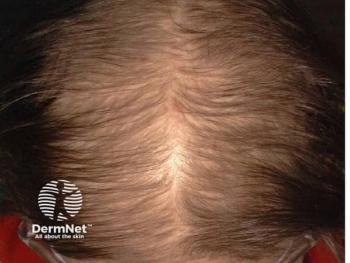
Veradermics initiates a groundbreaking trial for VDPHL01, an oral minoxidil treatment, addressing female pattern hair loss with innovative solutions.

Experts discuss hair loss challenges and treatments for skin of color, highlighting the importance of early intervention and accurate diagnosis.
Victoria Garcia-Albea, NP, outlined evolving therapeutic strategies at Elevate-Derm Fall, highlighting low-dose oral minoxidil, off-label JAK inhibition for frontal fibrosing alopecia, Thiamidol in hyperpigmentation, and delgocitinib for chronic hand eczema.
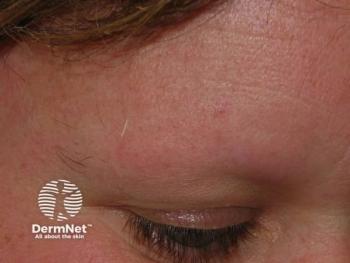
At 52 weeks, the data presented at Fall Clinical showed that 64.8% and 63.3% of adolescents on baricitinib 4 mg achieved significant eyebrow and eyelash regrowth, respectively.

The trial evaluates ritlecitinib's efficacy for severe alopecia areata, utilizing innovative external placebo controls for enhanced patient outcomes.
A late-breaking EADV presentation revealed that ritlecitinib significantly improved outcomes in patients with multiple forms of scarring alopecia.
The investigational extended-release tablet maintained therapeutic plasma levels while avoiding peaks linked to cardiovascular risk.

Upadacitinib shows promising results in treating severe alopecia areata, achieving significant hair regrowth and setting new efficacy standards in therapy.

Jerry Shapiro, MD, shares innovative strategies for diagnosing and managing scarring alopecia at Maui Derm NP+PA Fall 2025, enhancing patient outcomes.
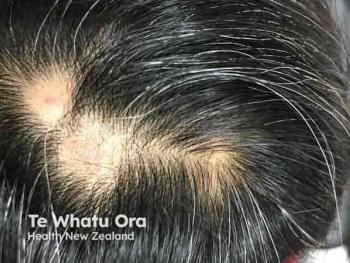
Alopecia areata treatment advances with targeted therapies, improving patient outcomes and access while addressing the emotional impact of hair loss.

Vimal Prajapati, MD, FRCPC, DABD, highlighted key findings from the THRIVE-AA trials, noting the efficacy of deuruxolitinib 8 mg BID, its favorable safety profile, and its positioning alongside other JAK inhibitors.
Happy Head's StrandIQ system revolutionizes hair loss treatment with personalized genetic analysis, enhancing hair growth and scalp health for individuals.
Vimal Prajapati, MD, FRCPC, DABD, reviews the mechanism of action, clinical trial outcomes, monitoring considerations, and safety profile of recently available deuruxolitinib.

Explore the latest breakthroughs in treatment and research during Hair Loss Awareness Month, enhancing understanding and patient care for hair loss disorders.

Research highlights that educational videos on standardized clinical photography protocols significantly lead to better management and treatment outcomes for patients with alopecia.

Key regulatory milestones for MAL-838, a novel sCD83-based, hormone-free hair growth ingredient, are paving the way for the market launch of a microbiome-friendly 8T3 product line.
Nektar Therapeutics and Jonathan Zalevsky, PhD, are exploring REZPEG's potential in treating alopecia, atopic dermatitis, lupus, and diabetes, aiming for groundbreaking autoimmune therapies.

Nektar Therapeutics explores rezpegaldesleukin's potential as a groundbreaking treatment for alopecia areata, aiming for FDA approval and improved patient outcomes.

In this exclusive Q&A, Alan J. Bauman, MD, shares expert insights on innovative hair loss treatments, early intervention strategies, and the future of alopecia care.

AbbVie's upadacitinib showed promising results in treating severe alopecia areata, achieving significant hair regrowth in pivotal phase 3 trials.

At Elevate-Derm Summer, Buchi Neita, MCMSc, PA-C, discussed enhancing dermatologic care for patients with skin of color by recognizing characteristics in common conditions and offered strategies to build rapport with patients.

Nektar Therapeutics advances alopecia areata treatment with FDA's Fast Track designation for rezpegaldesleukin, targeting immune modulation in chronic hair loss.
Amy Spizuoco, DO, FAOCD, shares groundbreaking insights on alopecia treatments and emerging STIs at this year's Elevate-Derm Summer Conference, enhancing patient care.

Tina Bhutani, MD, shares vital insights on psoriasis management, sleep's role in dermatology, and new alopecia areata treatments at Elevate-Derm Summer 2025.

A first-of-its-kind study reveals artificial intelligence (AI)-driven insights on hair loss trends, highlighting the impact of genetics, hormones, and COVID-19 on alopecia.
Advertisement
Advertisement
Trending on Dermatology Times
1
FDA Approves Baricitinib for Adolescents With Severe Alopecia Areata
2
Tremfya Meets Primary, Major Secondary Endpoints in Phase 4 STAR Study of Axial PsA
3
Alopecia Areata Awareness Month: 2026 in Review
4
From Mechanism to Management: Navigating Male Pattern Hair Loss and New Topical Therapies
5