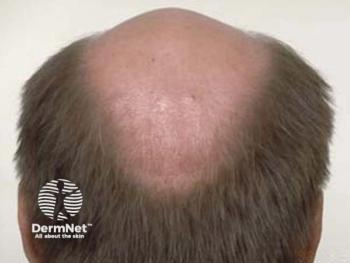
Alopecia areata (AA) remains a challenging dermatologic condition, both for patients and clinicians. At a recent Dermatology Times Case-Based Roundtable event, “Evolving Treatment Standards in Alopecia Areata: Applying Evidence to Practice,” clinicians convened in Boston, Massachusetts, to discuss their frontline experiences, evolving approaches, and the psychosocial nuances of managing AA in the era of new therapeutics. The conversation was led by Arash Mostaghimi, MD, MPH, FAAD, assistant professor of dermatology, director of the inpatient dermatology consult service, and co-director of the Complex Medical Dermatology Fellowship at Brigham & Women’s Hospital.
Redefining Disease Assessment in Alopecia Areata
The discussion opened with an acknowledgment of the landscape shift in AA, no longer seen as an orphan disease with limited options but as a dynamic field experiencing therapeutic innovation. Participants explored the nuances of disease scoring with the Severity of Alopecia Tool (SALT), emphasizing both its utility and limitations in practice. While a SALT score offers objective quantification of scalp hair loss, the attendees concurred that its clinical value hinges on contextualizing physical findings with patient-specific concerns, such as facial hair loss or psychosocial burden. Two cases were cited where minimal hair loss caused outsized distress, highlighting the importance of integrating patient-reported outcomes (e.g., social function, career impact, personal milestones) into treatment decisions.
Special consideration was given to the “moderate” category (SALT 20 to 49), which can encompass diverse patient experiences. A consensus emerged that severity must not be defined strictly by percentage but by the involvement of “special sites” (brows, lashes, beard) and the condition’s psychosocial consequences. New guidelines are anticipated to include these secondary criteria, facilitating more tailored access to care.
JAK Inhibitors in Focus
A significant portion of the roundtable centered on Janus kinase (JAK) inhibitors, including baricitinib, ritlecitinib, and deuruxolitinib. Panelists shared candid clinical experiences with these agents, dissecting efficacy, onset of action, safety signals, and practical hurdles such as insurance authorization and laboratory screening. It was noted that while all 3 drugs offer robust regrowth for substantial subsets of patients, subtle distinctions exist.
- Baricitinib has the longest real-world and trial safety data, and remains a common first-line option, particularly when safety is paramount.
- Deuruxolitinib demonstrated rapid and deep responses in trials, which may especially satisfy patients with time-sensitive goals.
- Ritlecitinib offers a unique age indication, extending to adolescent patients.
The discussion also delved into practical tips for initiating therapy, monitoring for viral reactivation, managing laboratory parameters (notably transient CK elevations), and handling insurance “step edits.” Special mention was made of the CYP2C9 genotyping requirement before deuruxolitinib—an added logistical step which the group anticipated would become more streamlined with wider patient access.
“The goal was to introduce the decision-making that comes when starting JAK inhibitors—trying to understand the overall landscape, who qualifies for treatment, and what factors to consider when initiating drugs and testing labs,” Mostaghimi noted.
Setting Patient Expectations for Success
The roundtable participants emphasized the dermatologists’ role in AA management, especially when educating patients about therapeutic timelines. The group recommended framing expectations around concrete time points—such as holidays or personal milestones—rather than generic “months,” which aids patient adherence and emotional readiness. Several shared being surprised by delayed but ultimately significant regrowth, cautioning against premature therapy abandonment.
Repeated, supportive follow-up was regarded as essential, serving both to encourage patients and to reinforce key points about disease course and treatment safety. The group advocated for shared decision-making, especially when considering therapy holidays, switching agents, or integrating adjuncts such as minoxidil or intralesional corticosteroids.
Speaking to Special Scenarios
Counseling around family planning and pregnancy was identified as a unique challenge, given the teratogenic potential of JAK inhibitors and the reality that hair loss often recurs with cessation of therapy. Mostaghimi and the group highlighted the need to anticipate such transitions and to prepare patients for possible flares, acknowledging the sacrifices entailed for reproductive health. Pediatric and adolescent management was also recognized as shifting, thanks to widening indications and accumulating safety data for systemic agents.
Looking Ahead: Research and Unmet Needs
The conversation concluded on a forward-thinking note. While JAK inhibitors have revolutionized AA care, a sizable minority remain nonresponders, and concerns linger regarding long-term safety and pregnancy. The group shared optimism regarding agents targeting T regulatory pathways (e.g., IL-2, OX40 inhibitors) and encouraged clinicians to remain engaged with clinical trials for these and related conditions.
In summary, the roundtable was a fantastic opportunity to underscore that clinical success in AA hinges on expert navigation of new therapies, patient-centered assessment, strategic counseling, and ongoing vigilance for future advances.
“There was good interaction at all levels and questions that built off of and challenged each other’s reasoning, allowing everyone together to participate, ask questions, share their expertise, and to learn from each other. I enjoyed this conversation and have had subsequent conversations with this group as well,” Mostaghimi concluded.