



Psoriasis
Latest News
Advertisement
Video Series
Latest Videos


Shorts
0:33
Spevigo for Acute and Flaring GPP
a month ago
by
Aaron S. Farberg, MD

0:39
A Breakthrough in Psoriasis Treatment
a month ago
by
Jennifer Soung, MD
1:02
New Hope for Scalp Psoriasis With Zasocitinib
2 months ago
by
Leon H. Kircik, MD
1:00
Why GPP Awareness Day Matters
2 months ago
by
Aaron S. Farberg, MD

0:24
Why patients are moving away from injectable psoriasis treatments
3 months ago
by
Linda Stein Gold, MD
1:10
A Win for Patients and Providers: Roflumilast’s Expanded PsO Indication
3 months ago
by
Christopher G. Bunick, MD, PhD

1:00
Roflumilast Cream Approved for Children as Young as 2 With Plaque Psoriasis
3 months ago
by
Jennifer Soung, MD
0:30
40% Complete Skin Clearance With Envudeucitinib
5 months ago
by
Andrew Blauvelt, MD, MBA
0:55
GLP-1s: More Than Just Weight Loss for Psoriasis
5 months ago
by
Christopher G. Bunick, MD, PhD(+1 more)
1:00
No More Needles? The Future of Psoriasis Treatment
5 months ago
by
Liza O'Dowd, MD


Advertisement
More News

In a 52-week open-label trial, tildrakizumab-asmn (Ilumya) reduced a mortality-linked DNA methylation clock by up to 0.5 years while clearing psoriasis symptoms.

Post hoc RESOLVE analysis shows that patients weighing at least 100 kg experience slower clinical response rates to brodalumab than those under 100 kg, establishing body weight over BMI as a key predictor of treatment timing.

Real-world cohort research links psoriasis biologics to notably fewer heart attacks and strokes over 10 years, with benefits across drug classes and races.

Put your dermatology expertise to the test with Dermatology Times’ interactive quiz series.
Jennifer Soung, MD, discusses whole patient care for psoriasis and alopecia areata and why setting realistic expectations matters for hair regrowth.
New trials show oral psoriasis drugs rival biologics, expand care across ages, and spotlight systemic risks—plus the ongoing fight for access. Read our exclusive recap for PsO Action Month.

Imsidolimab gained EU orphan designation for GPP as the IL-36 receptor inhibitor advances toward a December 2026 FDA decision.

Our August issue tackles psoriasis, acne, aesthetics, sunscreen safety, and more.

The Emerging Role of Oral Peptide Therapeutics in Psoriasis and Beyond
Published: | Updated:
Oral peptide pills are reshaping psoriasis care, from semaglutide breakthroughs to IL‑23 blocker icotrokinra—here's what dermatologists need to know now.
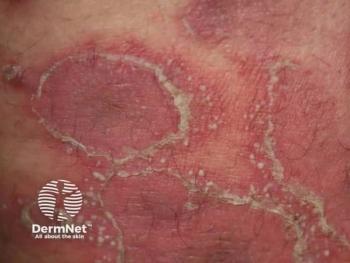
Review 10 evidence-based answers on GPP pathophysiology, diagnosis, and IL-36-targeted management, drawn from National Psoriasis Foundation consensus and emergency medicine literature.
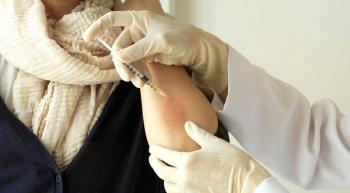
Envudeucitinib achieved PASI 100 in 54% of continuously treated patients at 48 weeks in the phase 3 ONWARD3 extension study.

Sonelokimab met the primary end point in phase 3 IZAR-1, with 42.1% of biologic-naive patients achieving ACR50 at week 16.
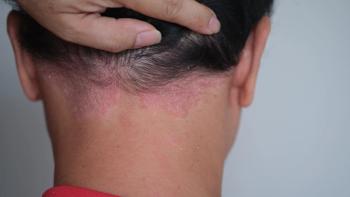
New oral TYK2 inhibitor shows rapid PASI 75/90 skin clearance in phase 2 plaque psoriasis study, with encouraging safety.
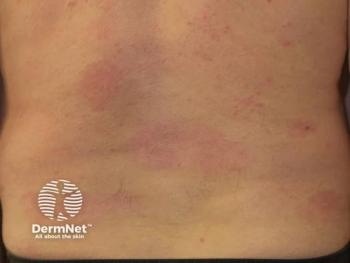
Obesity may blunt biologic psoriasis gains, according to a 4,200‑patient meta‑analysis showing lower PASI responses, but weight alone shouldn’t drive drug choice.
Leon Kircik, MD, discusses zasocitinib scalp psoriasis clearance rates from the LATITUDE 1 and 2 trials presented at the 2026 American Academy of Dermatology (AAD) Innovation Academy.
Victoria Garcia Albea, NP, discussed safety monitoring, patient selection, and laboratory screening considerations for oral JAK inhibitors at Elevate-Derm summer 2026

NPF guidance outlines patient selection, counseling, and multidisciplinary management of GLP-1 receptor agonists in psoriasis.

Philip J. Mease, MD, reviews guselkumab's mechanism of action and its expanded FDA-approved indication for psoriatic arthritis joint damage inhibition.
Recapping 5 practice-changing FDA decisions from the first half of 2026, including icotrokinra, expanded pediatric indications, and more!
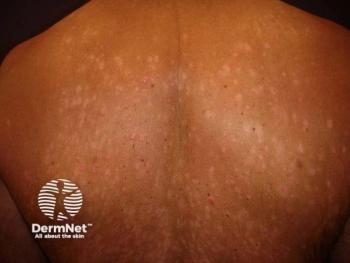
A recent JAAD study identified a dual Th17/Type 2 immune signature in psoriasis that may help explain why biologic responses vary among patients.
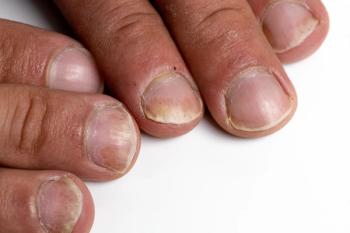
New case-control data link smoking to higher nail psoriasis severity, urging screening and cessation to ease nail symptoms and boost quality of life.
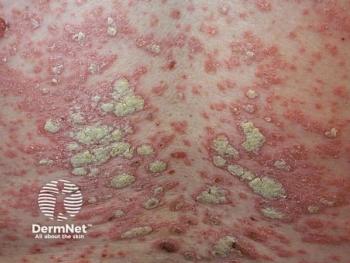
Can-Fite completed interim enrollment for its pivotal phase 3 trial of first-in-class oral A3AR agonist piclidenoson, a potential new mechanism for plaque psoriasis.

Linda Stein Gold, MD, discusses zasocitinib's safety and efficacy as an oral treatment for plaque psoriasis.
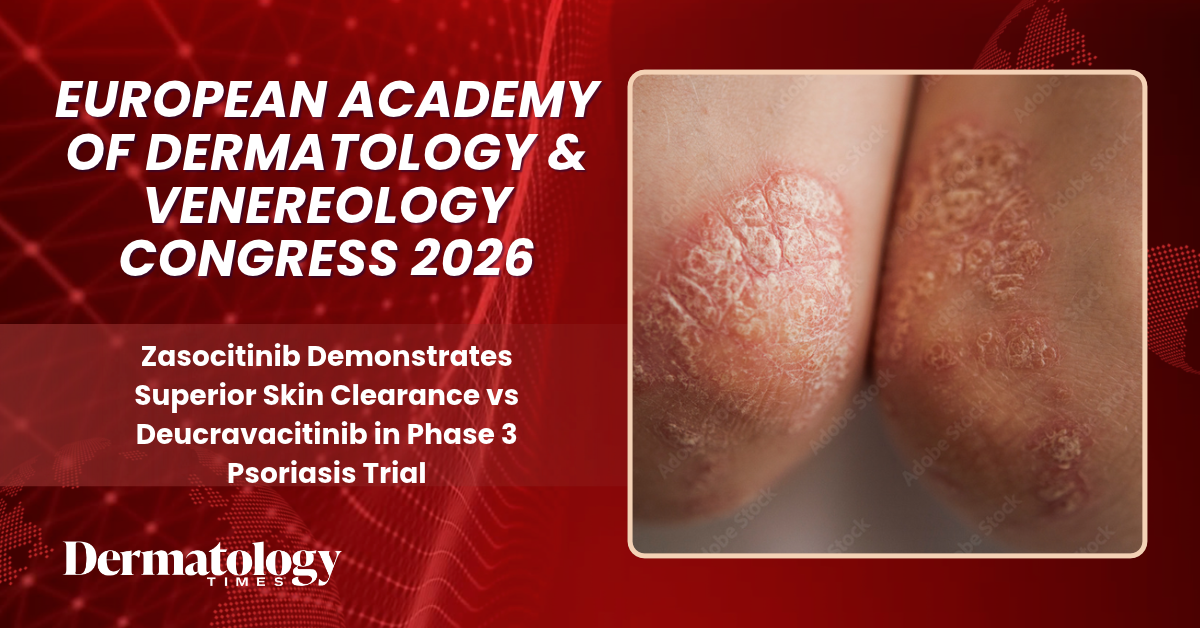
Linda Stein Gold, MD, reviews the recent LATITUDE Atlas head-to-head trial results showing zasocitinib's superiority over deucravacitinib for plaque psoriasis.
Christopher Bunick, MD, PhD, discusses the FDA's expanded approval of roflumilast cream 0.3% for plaque psoriasis in children as young as 2 years of age.
Advertisement
Advertisement
Trending on Dermatology Times
1
Icotrokinra Sustains Skin Clearance at High-Impact Psoriasis Sites Through 2 Years
2
EADV 2026 Day 3: Long-Term Psoriasis Data and Emerging Therapeutic Targets Take Focus
3
Ritlecitinib Improves Repigmentation in Nonsegmental Vitiligo
4
EADV 2026 Day 2: Long-Term AD Data, GLP-1 Nail Findings, and Emerging Treatments Take Center Stage
5