




Drug Watch
Latest News
Advertisement
Latest Videos







Shorts

0:36
A New Hope for Patients With Dermatomyositis
12 days ago
by
Victoria Werth, MD

0:35
Rapid Improvement in Dermatomyositis With Brepocitinib
14 days ago
by
Victoria Werth, MD
0:56
Brepocitinib Approved for Dermatomyositis
a month ago
by
Kaitlyn Bader, Assistant Managing Editor

0:33
Stop Using 'Adaptive Trials' as Just a Buzzword
2 months ago
by
Bradley Burnam

0:47
Why Patient Stratification Matters in Clinical Trials
2 months ago
by
Bradley Burnam

0:41
Bimatrizinol Becomes First New US Sunscreen Ingredient in 20 Years
3 months ago
by
Christopher G. Bunick, MD, PhD

0:57
Soquelitinib May Offer New Oral Treatment for Patients With AD
4 months ago
by
Albert Chiou, MD, MBA

0:45
1.5x Better Hair Growth? Extended-Release Oral Minoxidil Explained
4 months ago
by
Maryanne Makredes Senna, MD

0:32
Understanding the Future of Dermatologic Drugs
4 months ago
by
Christopher G. Bunick, MD, PhD

0:38
The Next Frontier: Bi- and Tri-Specifics for AD
5 months ago
by
Christopher G. Bunick, MD, PhD


Advertisement
More News

The FDA has set a PDUFA target action date of June 29, 2027, based on APEX trial data showing a 65% overall response rate in advanced systemic mastocytosis.
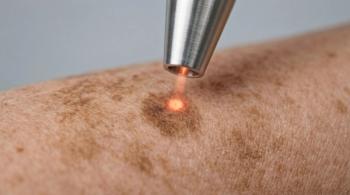
The expanded indication makes Ameluz with RhodoLED the first FDA-approved photodynamic therapy for the treatment of a skin cancer.

Takeda’s investigational oral TYK2 inhibitor is supported by phase 3 LATITUDE data demonstrating significant skin clearance versus placebo and apremilast.

Phase 2 SkinJect data support the 200-µg dose and inform Medicus’ FDA-authorized registrational program in Gorlin syndrome.

A twice-rejected melanoma immunotherapy finally won accelerated approval, acne's decades-long innovation drought moved a step closer to ending, and 2 rare, sun-triggered skin diseases picked up a deep-pocketed new sponsor.

Week 52 data show ixekizumab plus tirzepatide sustained or improved disease activity and metabolic outcomes in psoriasis and psoriatic arthritis.

The FDA approval, based on phase 3 VALOR trial data, makes brepocitinib the first targeted therapy specifically indicated for dermatomyositis.
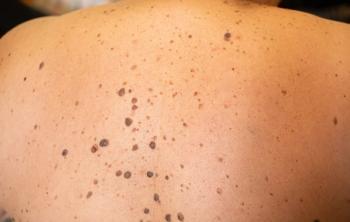
Verrica Pharmaceuticals has completed enrollment in COVE-2, its first pivotal phase 3 trial of YCANTH for common warts, with topline data expected in the first quarter of 2027.
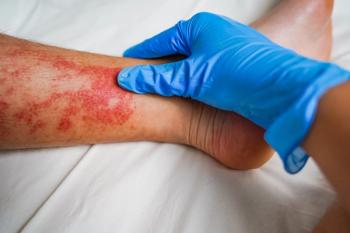
Rezpegaldesleukin improved EASI, itch, and other outcomes in phase 2b REZOLVE-AD, supporting continued phase 3 development.

Preclinical data show GX-03 reduced IL-31 by nearly 68% and dermatitis severity by 66% in a murine model of atopic dermatitis.

LEO Pharma will acquire worldwide rights to dersimelagon, an investigational oral therapy under FDA review for EPP and XLP.
Envudeucitinib achieved PASI 100 in 54% of continuously treated patients at 48 weeks in the phase 3 ONWARD3 extension study.

Sonelokimab met the primary end point in phase 3 IZAR-1, with 42.1% of biologic-naive patients achieving ACR50 at week 16.
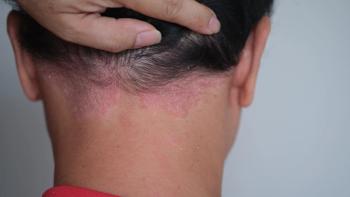
New oral TYK2 inhibitor shows rapid PASI 75/90 skin clearance in phase 2 plaque psoriasis study, with encouraging safety.

The accelerated FDA approval, based on Replimune's phase 2 IGNYTE trial data, gives clinicians a new second-line option for adults with advanced melanoma progressing after anti-PD-1 therapy.
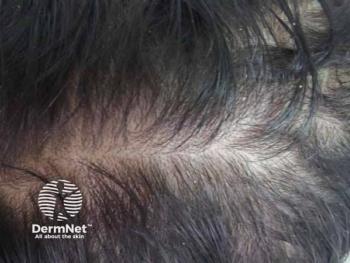
Absci's ABS-201 posts early phase 1 safety and long half-life, while new data show prolactin-receptor blockade may revive hair growth in AGA.

The European Commission greenlights upadacitinib for severe alopecia areata, with phase 3 data showing rapid scalp, brow and lash regrowth; US decision still pending.

Faculty at Elevate-Derm Summer 2026 discussed the expanding role of oral JAK inhibitors in pediatric dermatology, emphasizing earlier intervention, individualized patient selection, safety monitoring, and family-centered counseling.
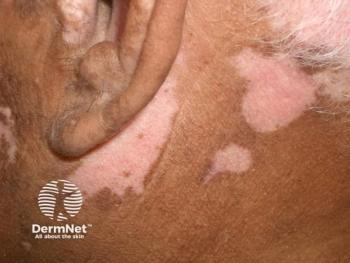
Two phase 3 trials of Pfizer's ritlecitinib met co-primary end points for facial and total repigmentation in nonsegmental vitiligo at week 52, prompting plans for global regulatory filings.

July's FDA news was quiet, but an infant AD filing, JAK-refractory alopecia data, and a new device clearance hint at what's next.
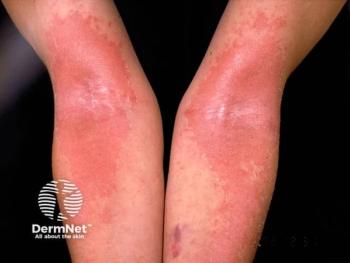
Phase 1 results show Bambusa Therapeutics’ BBT001 quickly reduces atopic dermatitis and itch, sustains type 2 biomarker suppression, and may enable quarterly dosing.

Sanofi will not submit the OX40-ligand antibody for regulatory review, citing efficacy and safety data insufficient to improve upon current standard-of-care treatments for moderate to severe AD.
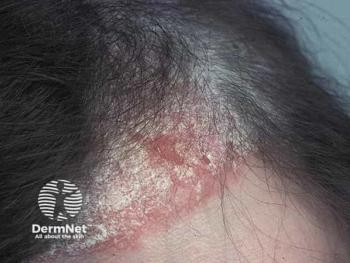
New phase 3 data presented at the AAD Innovation Academy show zasocitinib achieved high rates of clear or almost clear skin at the scalp, palms, soles, and nails at week 16.

New phase 3 data show oral TYK2 inhibitor soficitinib improves moderate-to-severe atopic dermatitis, easing itch with no new safety signals.

Extended-release oral minoxidil candidate VDPHL01 improved hair counts and patient-reported outcomes in women with pattern hair loss in a phase 2 study.
Advertisement
Advertisement
Trending on Dermatology Times
1
FDA Grants Fast Track Designation to QRX003 for Peeling Skin Syndrome
2
Barzolvolimab Achieves All Phase 3 End Points in Chronic Spontaneous Urticaria
3
Alopecia Awareness Month: Supporting Patients Beyond the Treatment Plan
4
Don't Be Rash: Building the Pediatric Psoriasis Treatment Ladder
5