LEO Pharma has closed its acquisition of dersimelagon from Tanabe Pharma after the FDA accepted the drug's NDA for filing and granted Priority Review, with a PDUFA date expected by the end of February 2027.
Palvella surpassed enrollment goals in its Phase 3 SELVA trial, enrolling 51 patients at leading US vascular anomaly centers.
Today, Palvella Therapeutics announced the continuation of its FDA Orphan Products Development grant, securing the second year of non-dilutive funding to support its phase 3 SELVA trial evaluating 3.9% rapamycin anhydrous gel (QTORIN rapamycin) for the treatment of microcystic lymphatic malformations (microcystic LMs).1 This milestone not only underscores the regulatory confidence in Palvella’s clinical program but also represents a meaningful advance in the development of a potential first-in-class therapy for a rare and challenging dermatologic condition with no FDA-approved treatments.2
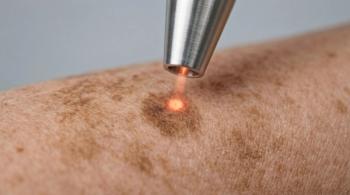
Microcystic lymphatic malformations are congenital vascular anomalies characterized by clusters of small, dilated lymphatic channels within the skin and subcutaneous tissue. The lesions can cause chronic leakage, recurrent infection, and significant physical and psychosocial burden. While management often relies on sclerotherapy, surgery, or laser ablation, recurrence and incomplete resolution are common. Rapamycin (sirolimus), an mTOR inhibitor, has shown promise in preclinical and early clinical studies by modulating lymphangiogenesis and reducing cystic proliferation. This formulation leverages this mechanism through a topical, anhydrous gel formulation designed for targeted dermal delivery while minimizing systemic exposure.
The ongoing SELVA trial is a 24-week, phase 3, single-arm, baseline-controlled study assessing once-daily rapamycin for microcystic LMs. Initially designed to enroll 40 subjects, the trial exceeded expectations with 51 participants recruited across leading US vascular anomaly centers. This robust enrollment reflects both the high unmet need in the LM community and the clinical enthusiasm surrounding a targeted, non-invasive therapeutic option. Following an 8-week baseline period, participants receive 24 weeks of treatment, after which eligible individuals may transition to an open-label extension phase to evaluate long-term safety and durability of response.
Jeff Martini, PhD, chief scientific officer of Palvella, emphasized the significance of this progress: “We are deeply appreciative of the FDA’s continued support of our phase 3 program, which reflects the urgency and importance of addressing the significant unmet need faced by the estimated more than 30,000 individuals in the US living with microcystic lymphatic malformations.” He added, “Exceeding our enrollment goal and maintaining momentum toward top-line data in early 2026 demonstrates the strength of our clinical program and our unwavering commitment to bringing QTORIN™ rapamycin to patients who currently have no FDA-approved therapies.”
Palvella’s SELVA trial was notably the only phase 3 trial selected for funding out of 51 applications to the FDA’s Orphan Products Grants Program in fiscal year 2024, an indicator of its scientific merit and clinical relevance. The grant, totaling up to $2.6 million over 4 years, supports both ongoing patient follow-up and data analysis efforts.
This drug holds Breakthrough Therapy, Orphan Drug, and Fast Track designations from the FDA for microcystic LMs, reflecting its potential to fill a profound therapeutic gap. Assuming positive results, Palvella anticipates submitting a New Drug Application (NDA) in the second half of 2026, with the possibility of 7 years of market exclusivity under orphan drug provisions.
For clinicians treating vascular anomalies, the SELVA trial represents a pivotal moment in the pursuit of a pharmacologic alternative to invasive interventions. If rapamycin demonstrates sustained lesion improvement, reduced fluid leakage, and favorable safety outcomes, it could redefine the therapeutic landscape for microcystic LM management.
Beyond this indication, Palvella is also evaluating rapamycin in the phase 2 TOIVA trial for cutaneous venous malformations, suggesting broader applicability across vascular anomaly disorders driven by dysregulated mTOR signaling.
As the field of rare disease therapeutics continues to evolve, the SELVA trial’s progress signals an encouraging convergence of molecular insight, formulation innovation, and regulatory partnership. For clinicians following the trajectory of rapamycin-based therapies, this drug may soon offer a long-awaited, targeted treatment option for patients who have endured a lifetime of limited and often unsatisfactory interventions.
References