

News|Articles|December 2, 2025
Lymphir Launches in US as First New Systemic for CTCL in Over 7 Years
Listen
0:00 / 0:00
Key Takeaways
- Lymphir is the first FDA-approved systemic treatment for CTCL in over seven years, offering a new option for relapsed or refractory cases.
- The therapy works by delivering diphtheria toxin fragments intracellularly, inhibiting protein synthesis and depleting T-regulatory cells.
Citius Oncology’s IL-2 receptor–directed fusion protein offers rapid responses and pruritus improvement for relapsed or refractory stage I–III CTCL.
Advertisement
Citius Oncology recently
Lymphir is a recombinant IL-2 receptor–directed fusion protein that delivers diphtheria toxin fragments intracellularly after IL-2R binding, leading to protein synthesis inhibition and cell death. The therapy also depletes immunosuppressive T-regulatory cells, supporting antitumor activity.1
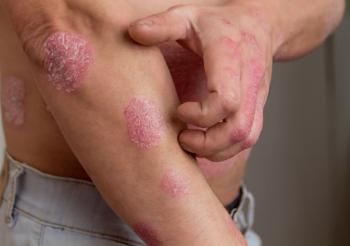
CTCL presents primarily with skin involvement, most often as patches, plaques, or tumors driven by malignant T-cells. These lesions are frequently accompanied by severe pain and pruritus, contributing significantly to impaired quality of life. CTCL is the most common form of cutaneous non-Hodgkin lymphoma and encompasses several subtypes, with mycosis fungoides and Sézary syndrome representing the majority of cases.1
At the recent
The FDA approval of Lymphir was supported by Study 302, which enrolled patients with previously treated stage I–III CTCL. The objective response rate reached 36.2%, and 84% of evaluable patients demonstrated skin tumor burden reduction. Notably for dermatology clinicians, activity extended to severe pruritus, a major driver of quality-of-life impairment. Importantly, treatment was not associated with cumulative toxicity.1
“Lymphir is an important new treatment option for the CTCL community, and its launch marks the beginning of a new chapter for Citius Oncology,” said Leonard Mazur, Chairman and CEO of Citius Oncology and Citius Pharmaceuticals, in the news release. He noted the phase 3 median time to response of 1.4 months, adding, “Lymphir addresses a clear clinical need in a disease with limited treatment options.” He emphasized expectations for meaningful clinical uptake and a US market valued at more than $400 million.1
Clinicians can access prescribing information, reimbursement resources, ordering guidance, and patient support tools—including the Citius Advantage assistance program—at
For clinicians managing chronic, relapsing CTCL, Lymphir’s rapid responses, pruritus improvement, and absence of cumulative toxicity provide a new evidence-based systemic option within a historically limited treatment landscape.1
“Lymphir is an important new tool in the fight against CTCL. It is the only FDA-approved systemic therapy for CTCL in more than 7 years,” concluded Myron Czuczman, MD, Executive Vice President and Chief Medical Officer of Citius Oncology and Citius Pharma, in the news release. “Lymphir's direct tumoricidal activity and transient T-regulatory cell depletion offer a powerful new approach to disease control without cumulative toxicity. As such, Lymphir's clinical profile makes it a compelling treatment option for physicians and patients facing the burden of relapsed or refractory CTCL.”1
References
- Citius Oncology Announces U.S. commercial launch of LYMPHIR™, a novel cancer immunotherapy for cutaneous T-Cell lymphoma (CTCL). News release. Citius Oncology. December 1, 2025. Accessed December 2, 2025.
https://www.citiusonc.com/news/news-details/2025/Citius-Oncology-Announces-U-S--Commercial-Launch-of-LYMPHIR-a-Novel-Cancer-Immunotherapy-for-Cutaneous-T-Cell-Lymphoma-CTCL/default.aspx - Brunner P. Chronic inflammation: what to learn from cutaneous lymphomas. Oral presentation. Presented at: Inflammatory Skin Disease Summit 2025; November 12-15, 2025; New York, New York.
Advertisement
Related Content
Advertisement



Advertisement
Advertisement
Trending on Dermatology Times
1
How Emerging Androgenetic Alopecia Therapies Target DHT at the Scalp Level
2
Tildrakizumab Partially Reverses Epigenetic Aging in Psoriasis, Pilot Study Shows
3
Field-Directed Therapy Favored for Actinic Keratosis Management
4
Diet Linked to Improved Chronic Idiopathic Urticaria Control
5