

As one of California's first derm PAs, Stern discusses the mentorship-driven private practice model that launched her career and its near-disappearance today.
As one of California's first derm PAs, Stern discusses the mentorship-driven private practice model that launched her career and its near-disappearance today.

Zoe Diana Draelos, MD, FAAD, discussed the clinical rationale for incorporating plant adaptogen-based skin care into rosacea management, including how an OTC serum performed alongside prescription therapies.

Jared Gollob, MD, discusses phase 1b biomarker findings for KT-621, a STAT6 degrader in atopic dermatitis, presented at SID 2026.
Patients experiencing hormonal skin changes frequently report feeling unheard, and Doral Fredericks, PharmD, MBA, argues that active reassessment rather than attribution to aging is the clinical default that's needed.

Discover how tailored pre- and postmicroneedling care, plus lactobacillus exosome boosters, may speed healing, improve scars, and deliver safe, FDA-cleared results.
Miriam Pomerantz Kadosh, MSW, LCSW, director of education and patient engagement at the Melanoma Research Foundation, outlines free resources available to dermatology practices and communities.
Michael Gold, MD, explains why the brand's microneedling pen stands out, with customizable depth, speed, and cartridges for rejuvenation and acne-scar treatment credibility.
Organon's Doral Fredericks, PharmD, MBA, explains why pregnancy and menopause remain chronically understudied in dermatology research and what clinicians are missing as a result.

Deborah Sarnoff, MD, president of the Skin Cancer Foundation, shares the importance of the "Hats On for AK" social media campaign designed to bring awareness to sun protection and reducing actinic keratosis risk.
William Posten, MD, discusses the evolution of keloid treatment and the clinical outcomes he has observed with excision followed by immediate radiation therapy.

This episode examines the diagnostic workflow for cutaneous squamous cell carcinoma (cSCC), emphasizing how clinical, pathological, and patient-specific factors inform risk assessment, prognostication, and individualized management strategies.
This episode reviews the rising burden of cutaneous squamous cell carcinoma (cSCC), highlighting key risk factors, variable clinical presentations, and the growing role of molecular profiling tools in improving risk assessment and clinical decision-making.

Translational Takeaways distills the most clinically relevant findings from emerging dermatology research into clear, practice-focused insights that inform real-world decision-making.
Elizabeth Buzney, MD, discusses the key reasons erythropoietic protoporphyria is frequently misdiagnosed and the consequences of prolonged diagnostic delay.
This month, we asked our experts: What is the craziest social media trend or myth you’ve seen about sunscreen, suncare, tanning?
Deborah Sarnoff, MD, president of the Skin Cancer Foundation, discusses recognizing actinic keratosis, clinical indicators for biopsy, and strategies for counseling patients on cumulative sun damage in response to AK Awareness Day.

Albert Chiou, MD, MBA, reviews updates presented at SID 2026 on phase 1 data showing soquelitinib activity in prior systemic therapy failures, with a well-balanced adverse event profile vs placebo.
Neal Bhatia, MD, describes a protocol spanning antihistamine pretreatment, in-room talk anesthesia, and post-procedure skin care to improve tolerability of photodynamic therapy.
Maryanne Makredes Senna, MD, reviews early-onset efficacy, favorable tolerability, and high rates of patient-reported improvement associated with extended-release oral minoxidil data.
Explore evidence-backed nutricosmetics and hormone-aware nutrition for women’s skin and hair—plus what to know about collagen and dosing.
Prospective data presented at ASLMS by Isabella Camacho-Hubbard, MD, shows Stellar M22 XPL Glide boosts photodamage results, speeds treatments, avoids striping, and maintains safety.
Elizabeth Buzney, MD, outlines the clinical hallmarks that separate erythropoietic protoporphyria from other photosensitivity disorders, starting with what clinicians won't see on exam.
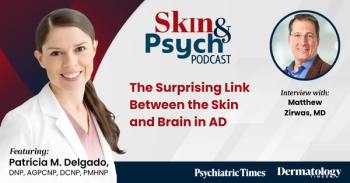
Matthew Zirwas, MD, rethinks AD as environmentally acquired barrier dysfunction, sharing psychodermatology itch strategies and highlighting patient-centered communication.
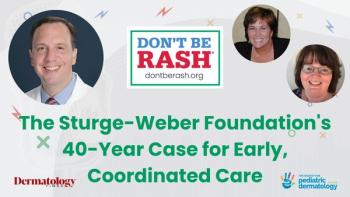
The SWF Clinical Care Network now includes 27 validated US sites assessed objectively for multidisciplinary capacity across dermatology, neurology, ophthalmology, mental health, and transitional care.
Albert Chiou, MD, MBA, discusses results from the phase 1 trial of soquelitinib for moderate to severe AD presented at SID 2026.
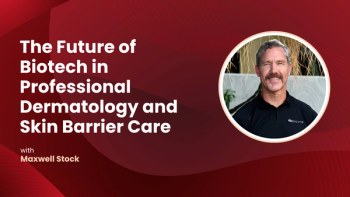
Epicutis’ Hydrobiome Serum targets post-procedure barrier repair, while CEO Max Stock explains physician-guided care and biotech’s microbiome future.
Neal Bhatia, MD, outlines the clinical rationale for incorporating photodynamic therapy into skin cancer treatment algorithms, from field cancerization management to emerging applications in superficial basal cell carcinoma.
Microbiome-first biotech in dermatology is shifting from harsh acne treatments to balance-focused solutions, using anti-inflammatory compounds that support healthier skin ecosystems.

Real clinical case scenarios with progressive diagnostic clues challenge dermatology clinicians to think on their feet, sharpen their diagnostic reasoning, and apply practice-changing takeaways at the point of care.
Maryanne Makredes Senna, MD, shares why mineral sunscreens matter for patients with frontal fibrosing alopecia, and why reprimanding sun-seekers may be more detrimental to patient care.