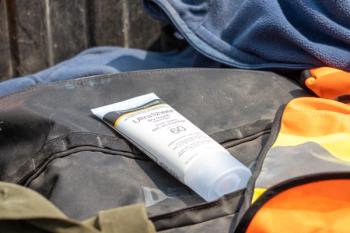
Two new Neutrogena facial sunscreens incorporate bemotrizinol, the first new sunscreen active ingredient added to the US OTC monograph in decades.
Mondana Ghias, MD, FAAD, discusses Tono Health's role in improving access to skin care for patients of color, addressing systemic barriers and enhancing diagnostic accuracy.
In an interview with Mondana Ghias, MD, FAAD, board-certified dermatologist in New York, New York, and co-founder/chief medical officer of
A second contributor to underdiagnosis is the historic underrepresentation of skin of color in dermatology educational resources. Although textbooks and teaching materials have traditionally centered on lighter skin types, she acknowledged significant progress in recent years to improve curricular diversity and diagnostic competency across skin tones.
“I will say that there has been so much effort and progress in terms of a lot of the initiatives that we're doing from the dermatology community to really improve that over time and moving forward,” she said.
Ghias describes the founding mission of Tono Health, a virtual-first dermatology platform, as an effort to extend high-quality specialist care beyond major academic and urban centers. Her training in the Bronx—one of the country’s most diverse clinical environments—shaped her understanding of how exposure to a wide range of skin tones and conditions improves diagnostic accuracy. She recounted a recent case of acral melanoma initially misdiagnosed as a wart, illustrating both the nuanced presentations more common in skin of color and the importance of specialist familiarity with these patterns. Virtual triage through Tono enabled expedited biopsy and diagnosis, exemplifying how teledermatology can bridge geographic gaps and reduce diagnostic delays.
A defining feature of Tono’s model is its 88% diverse provider base, which Ghias views as central to improving patient trust, comfort, and clinical precision, particularly in a virtual setting where patients may rely more heavily on visual assessment and communication. This diversity among dermatologists not only reflects the populations served but also increases subspecialty representation and allows patients greater choice in selecting clinicians aligned with their needs, including expertise in conditions such as alopecia or pigmentary disorders.