

With more biologic classes available than ever, selecting a first-line agent for a treatment-naive patient increasingly depends on comorbidity screening, lifestyle fit, and realistic expectations rather than efficacy data alone.

With more biologic classes available than ever, selecting a first-line agent for a treatment-naive patient increasingly depends on comorbidity screening, lifestyle fit, and realistic expectations rather than efficacy data alone.
Adam Friedman, MD, discusses PsA screening, comorbidities, early systemic intervention, and individualized oral therapy selection in psoriasis.
Emma Guttman-Yassky, MD, PhD, explains how biomarkers could match patients with inflammatory skin diseases to the right therapy.
James Song, MD, discusses treatment durability, early intervention, and interpreting long-term clinical trial data in psoriasis.
Phase 2b REZOLVE-AA data presented at EADV 2026 showed sustained and deepening hair regrowth following treatment cessation.
Michael Payette, MD, discusses systemic psoriasis treatment, patient selection, special-site disease, and shared decision-making.

Phase 2b SPOTLIGHT-204 results presented at EADV 2026 showed complete clinical and pathological responses in more than half of patients with high-risk head and neck basal cell carcinoma.
New phase 2 data presented at EADV 2026 demonstrated significant improvements in disease activity with daxdilimab, with responses emerging as early as week 4.
Cynthia Trickett, MPAS, PA-C, and Leigh Ann Pansch, MSN, FNP-BC, DCNP, discussed recognizing hidradenitis suppurativa early, screening for comorbidities, and assessing disease burden.
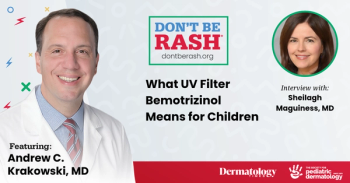
On this episode of Don't Be Rash, Andrew Krakowski, MD, spoke with Sheilagh Maguiness, MD, about the FDA's approval of bemotrizinol and what the new sunscreen filter means for pediatric patients.

Although hedgehog pathway inhibitors are considered first-line systemic therapy for locally advanced disease, surgical fatigue and patient preference may warrant earlier discussion of oral treatment than current practice patterns reflect.
Without a formal staging system, advanced basal cell carcinoma is defined by the interplay of tumor size, anatomic site, depth, histology, and host factors that may not be apparent on initial biopsy.
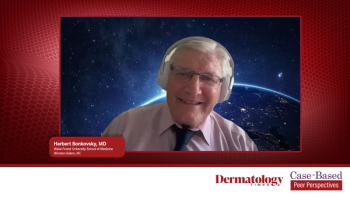
EPP arises from reduced ferrochelatase activity and excess protoporphyrin made largely in the bone marrow. Accurate diagnosis depends on choosing the right specimen and the right laboratory, a step commercial assays often get wrong.

Adalimumab, secukinumab, and bimekizumab each carry distinct trial populations and response rates. The panel reviews years of efficacy and safety data behind today's approved HS biologics.
A 29-year-old with years of axillary and groin disease illustrates how psychosocial toll, not just visible lesions, should guide the decision to escalate beyond conventional HS therapy.
A systemic-naive roofer with extensive plaque psoriasis and cardiometabolic risk illustrates why compliance history, not just disease severity, should shape the first conversation about moving beyond topical therapy.
As biologics multiply, the boundary between topical failure and systemic eligibility remains contested. Dr. Armstrong outlines the severity thresholds, comorbidities, and quality-of-life factors that most reliably justify escalating plaque psoriasis therapy.
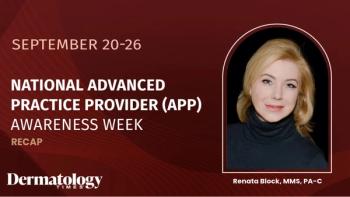
Dermatology Times and NPPA Connect celebrate National APP Week 2026 by highlighting the voices, experiences, and impact of advanced practice providers in dermatology.
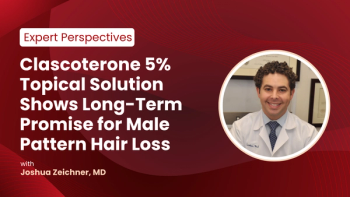
Explore what drives male pattern hair loss, its emotional toll, and why new topical antiandrogen clascoterone may boost density while limiting systemic effects.
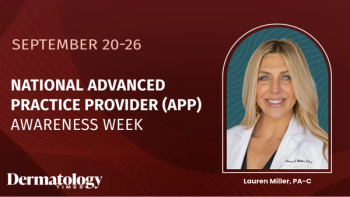
Lauren Miller, PA-C, reflects on nearly 20 years in dermatology and how the PA profession has allowed her to grow as a clinician, educator, author, and mentor.

On this episode of Don't Be Rash, Lisa Swanson, MD, joined host Andrew C. Krakowski, MD, to walk through the pediatric psoriasis treatment ladder, from first-line topicals to biologics and a new oral IL-23 blocker.

For Alopecia Awareness Month, Deann of Alopecia Life discusses compassion, treatment expectations, and the psychosocial burden of alopecia areata.
Three FDA-approved biologics now intercept the inflammatory cascade at different points, yet Dr. Laura Bush argues a calm exam can understate real disease burden. The panel discusses when history should outweigh appearance.
Hidradenitis suppurativa often goes undiagnosed for years while patients quietly absorb pain, odor, and isolation. The panel examines why recognizing these signals early changes everything that follows.

Chantel Hillstead, a board-certified dermatology nurse practitioner, discussed how patients with hidradenitis suppurativa can prepare for unpredictable flares.
Joshua Zeichner, MD, presents phase 3 results showing topical clascoterone 5% stays well tolerated for 12 months and boosts hair density, signaling a new DHT-blocking option.

Vishal A. Patel, MD, FAAD, FACMS, discusses tan maxing, cumulative UV damage, and how clinicians can approach conversations about tanning habits.
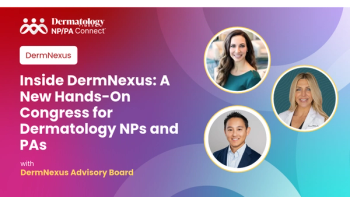
Dermatology Times and Physicians' Education Resource will host DermNexus Congress, a two-day CME program for nurse practitioners and physician assistants, November 20–21 in Scottsdale, Arizona.
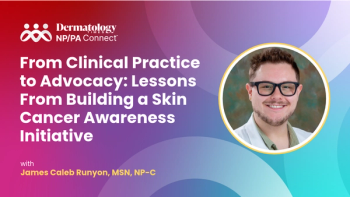
James Caleb Runyon, MSN, NP-C, shared lessons on building an advocacy initiative, developing partnerships, and balancing advocacy with clinical practice.

Amit Om, MD, discussed Mohs surgery, its high cure rates, patient education, and the importance of collaboration across dermatology care teams.