


Opinion|Videos|October 5, 2026
Choosing First-Line Biologics for Treatment-Naive Plaque Psoriasis Patients
With more biologic classes available than ever, selecting a first-line agent for a treatment-naive patient increasingly depends on comorbidity screening, lifestyle fit, and realistic expectations rather than efficacy data alone.
Advertisement
This episode, "Choosing First-Line Biologics for Treatment-Naive Plaque Psoriasis Patients," features the panel examining how to choose a first biologic when every option looks reasonable on paper.
Dr. Bunick poses one of the panel's central questions: with a systemic-naive patient like the roofing contractor, how does a clinician choose among IL-23 inhibitors, IL-17 inhibitors, oral agents, and other biologics? Dr. Armstrong calls this the "paradox of choice" created by having so many effective options available. Her first filter is comorbidity: a history of inflammatory bowel disease, for example, steers her away from IL-17 inhibitors. Beyond that, she looks at disease severity and asks which therapies she can confidently expect to bring the patient to clear or almost clear skin.
Armstrong acknowledges that dermatology has not reached routine biomarker testing, so selecting a first therapy for any given patient still amounts to an informed prediction rather than a precise match. Dr. Bunick presses her on whether clear or almost clear is becoming the accepted standard of care, and Armstrong agrees, noting emerging evidence that achieving clearance may also improve comorbid conditions, including reducing the risk of developing psoriatic arthritis.
The conversation shifts to non-efficacy features that influence first-line selection: injection frequency, device usability, storage requirements, and travel considerations. Armstrong maintains an active dialogue with patients about lifestyle and comfort with injections versus oral dosing, noting that oral therapies are typically once daily while injectables range from every two weeks to every three months. She also addresses patients who arrive requesting a specific drug after seeing an advertisement or hearing about a family member's success. Armstrong takes family history seriously, especially in first-degree relatives, since shared biology may predict a similar response, but she still presents the full landscape of options rather than defaulting to the requested therapy alone.
In "Balancing Speed of Onset, Durability, and Comorbidities in Psoriasis Therapy," the panel will weigh speed of onset against long-term durability and take up the role of cardiometabolic comorbidities in this same case.
Advertisement
Related to this article
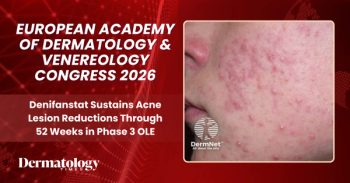
Treatment success reached 56.7% and total lesions fell 71.8% with up to 52 weeks of oral denifanstat, with no adverse event-related discontinuations.
Advertisement
Advertisement
Trending on Dermatology Times
1
EADV 2026 Day 4: Precision Medicine, Real-World Evidence, and the Future of Dermatologic Care
2
EADV 2026 Day 3: Long-Term Psoriasis Data and Emerging Therapeutic Targets Take Focus
3
Icotrokinra Sustains Skin Clearance at High-Impact Psoriasis Sites Through 2 Years
4
Delgocitinib Shows Real-World Effectiveness and Improved Quality of Life in Chronic Hand Eczema
5