


Opinion|Videos|October 26, 2026
Case 3: Managing Plaque Psoriasis in a Shift-Working Hospital Administrator
A biologic-experienced night-shift worker with limited response to her current therapy raises a critical diagnostic question: is this true treatment failure, or an adherence problem hiding behind a demanding schedule?
Advertisement
Episodes in this series
"Case 3: Managing Plaque Psoriasis in a Shift-Working Hospital Administrator" opens the panel's third and final case study.
Dr. Bunick presents the panel's third case: a 34-year-old hospital administrator with plaque psoriasis diagnosed at age 28, now progressing to affect her scalp and fingernails, both high-impact sites. She rotates between 12-hour day and overnight shifts, and her flares appear to track with her irregular, physically demanding schedule. Her history includes generalized anxiety disorder and migraines, and 15% body surface area involvement. She used topical corticosteroids for years before trying secukinumab, an IL-17A inhibitor, for six months with limited efficacy, and her rotating schedule has made maintaining a consistent self-injection routine especially difficult.
Dr. Armstrong's first step with a biologic-experienced patient like this is verifying adherence before assuming the drug itself failed. She would check how many doses remain in the patient's supply and ask directly about injection difficulties, distinguishing true inadequate efficacy from inconsistent administration. Based on the case description, Armstrong concludes this looks like genuine inadequate response, making it reasonable to explore other therapies.
Dr. Bunick raises the psychosocial dimension of a patient juggling a demanding job with skin disease, asking how Armstrong re-engages someone who may be disengaging from treatment. Armstrong asks patients directly how psoriasis affects their mental health and personal life, sometimes using a simple 0-to-10 impact scale when patients struggle to quantify their experience. She frames her response candidly, telling patients there is good news and bad news: the bad news is their current burden, the good news is that effective therapies exist. Bunick agrees that psychosocial burden varies enormously across patients and that building trust and rapport over time is often what allows patients to finally open up about how much the disease is really affecting them.
In "Transitioning From Self-Injection to HCP-Administered Psoriasis Therapy," the panel will decide when to retrain self-injection technique versus transition to office-based therapy, with a close look at scalp and nail involvement.
Advertisement
Related to this article
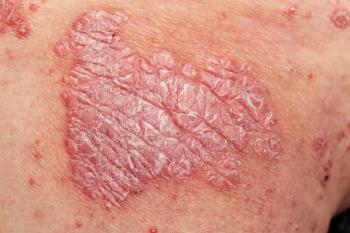
ORKA-001 achieved PASI 100 in 61% of high-dose patients at week 16 in the phase 2b EVERLAST-B trial of moderate-to-severe psoriasis.

Put your dermatology expertise to the test with Dermatology Times’ interactive quiz series.

Stratman discusses individualized eczema care, expanding treatment options, and the potential of precision medicine to guide therapy.

Face taping promises smoother skin and fewer wrinkles without injectables, but evidence suggests any visible benefits are largely temporary.

Explore trending plant oils in skincare and haircare, plus 2026’s hottest actives like ectoin and hypochlorous acid—balancing glow, barrier repair, and irritation risks.

Houston dermatology clinicians compared severity scoring, JAK inhibitor safety data, and psychosocial counseling strategies across 3 alopecia areata patient cases.

Preview the trial data dermatology NPs and PAs will dissect in small-group sessions on AD, psoriasis, and type 2 disease at Horizons in Advanced Practice.
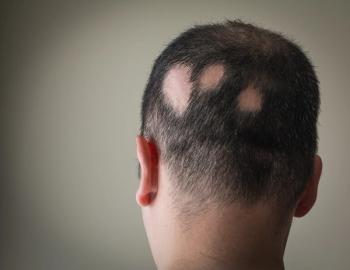
The September issue highlights advances in alopecia areata, cosmetic SPF, psoriasis treatment, teledermatology, and atopic dermatitis.
Advertisement
Advertisement