


Opinion|Videos|October 19, 2026
Real-World Persistence Data for IL-23 Biologics in Plaque Psoriasis
Persistence and adherence, not efficacy claims alone, distinguish IL-23 biologics in practice. Real-world claims data reveal how administration setting and dosing interval shape whether older patients stay on therapy.
Advertisement
Episodes in this series
In "Real-World Persistence Data for IL-23 Biologics in Plaque Psoriasis," the panel examines what claims-database research reveals about how patients actually stay on their biologic over time.
The case advances: given the patient's dexterity and adherence challenges, her dermatologist initiates tildrakizumab, an IL-23-targeted biologic administered in-office by a healthcare professional every 12 weeks. Dr. Bunick asks Dr. Armstrong how she evaluates real-world treatment patterns among IL-23 biologics for moderate-to-severe plaque psoriasis, naming tildrakizumab, risankizumab, guselkumab, and ustekinumab specifically. Armstrong describes claims-database research she has conducted that tracks how consistently patients refill their prescriptions over time as a proxy for real-world persistence.
Across the IL-23 class broadly, Armstrong reports strong persistence, which she attributes to both solid efficacy and infrequent dosing intervals. For tildrakizumab specifically, she notes particularly good adherence, which she credits in part to its in-office administration model removing the burden of self-injection from the patient entirely. She frames patient selection, insurance structure, and dosing interval as interacting factors that all influence these real-world outcomes. Tildrakizumab, she says, stands out for elderly patients carrying multiple comorbidities who need a therapy that is both reliably safe and reliably administered.
Dr. Bunick agrees, emphasizing that for a 72-year-old Medicare patient managing polypharmacy, tildrakizumab's safety profile is a genuine advantage. He points to the broader IL-23 class's long-term durability data as a significant asset for psoriasis patients generally, not just this case. The exchange underscores a recurring theme across the program: that persistence and adherence data, not efficacy claims alone, should inform which biologic best fits a specific patient's life circumstances, particularly when comorbidities, cost, and administration setting all compound the decision. With this case resolved, the panel transitions to their third and final patient case.
Our next episode, "Case 3: Managing Plaque Psoriasis in a Shift-Working Hospital Administrator," introduces a 34-year-old shift worker whose rotating schedule and limited response to a prior biologic complicate her treatment plan.
Advertisement
Related to this article
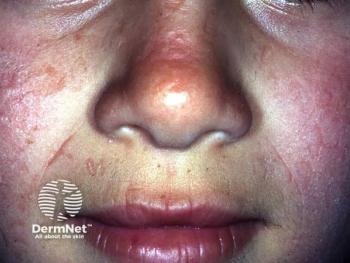
Disc Medicine reports the phase 3 APOLLO trial met all primary and secondary end points, with whole-blood PPIX reduced 41.4% vs placebo and an NDA resubmission planned by end of 2026.

Castor oil has become a popular social media remedy for thicker, longer hair, but evidence supporting its ability to stimulate hair growth remains limited.
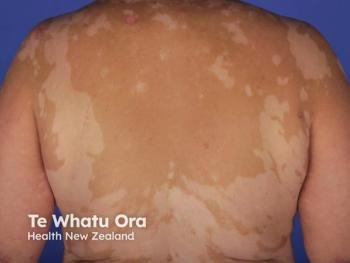
The FDA clearance allows Edesa to expand an ongoing placebo-controlled study of the CXCL10 antibody EB06 to US sites, with topline data expected in the fourth quarter of 2027.

The novel oral helicase-primase inhibitor demonstrated significantly higher rates of complete lesion healing compared with investigator’s choice treatment in the phase 3 PRIOH-1 trial.
Prospective data suggest DecisionDx-Melanoma may help refine SLNB decisions and identify recurrence risk beyond conventional staging.

Falk G. Bechara, MD, discusses long-term tunnel control, structural damage, and the evolving role of biologics and surgery in HS care.
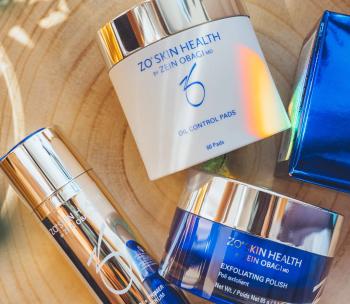
Galderma has agreed to acquire ZO Skin Health for $1.5 billion, adding the physician-dispensed skincare brand to a portfolio that already includes Cetaphil and Alastin.

New dermatology research explores hidden steroids in OTC products, infant eczema, melanoma prevention, cutaneous lymphoma, and pediatric AD.
Advertisement
Advertisement
Trending on Dermatology Times
1
Social Media Mythbusters: Can Castor Oil Really Grow Hair?
2
EADV 2026 Atopic Dermatitis Highlights: Tilrekimig, RAC2 Inhibition, and Level Up Data
3
FDA Approves Pritelivir for Refractory Mucocutaneous HSV in Immunocompromised Adults
4
GLP-1 Agonists Address Metabolic Risk in Psoriatic Disease
5