


Opinion|Videos|September 28, 2026
Case 1: Assessing a Systemic-Naive Patient With Occupational Plaque Psoriasis
A systemic-naive roofer with extensive plaque psoriasis and cardiometabolic risk illustrates why compliance history, not just disease severity, should shape the first conversation about moving beyond topical therapy.
Advertisement
Dr. Bunick introduces the panel's first case: a 39-year-old roofing contractor with an 8-year history of chronic plaque psoriasis affecting 15% of his body surface area, primarily his trunk and arms. His disease worsens with sun exposure and sweating, and his work gear causes occasional friction irritation. His medical history includes obesity with a BMI around 33, hypertension, and a family history of premature coronary artery disease. His only treatment to date has been inconsistent topical corticosteroid use, and he has never tried a systemic or biologic therapy.
Dr. Armstrong calls this a classic presentation: a busy, undertreated patient with extensive disease and substantial cardiometabolic risk layered on top of occupational friction. She is optimistic about his prognosis specifically because he is systemic-naive, noting that biologics tend to perform even better in patients without prior systemic exposure. Dr. Bunick raises the question of future compliance, describing his own approach through what he calls his "Hitch analogy," borrowed from the movie of the same name, about helping patients get out of their own way to build a workable relationship with their medication.
Armstrong agrees that treating 15% body surface area with topicals alone is burdensome and unlikely to achieve consistent control, so she would move to discuss systemic options while reserving topicals for isolated breakthrough plaques. She adds that a thorough physical exam matters here, particularly given his occupation: she would carefully check palms and soles, ask about genital involvement, and examine his nails closely, since nail disease often responds better to systemic therapy than to topical treatment alone. Both physicians agree this patient represents an ideal candidate for early systemic intervention.
Up next, in "Choosing First-Line Biologics for Treatment-Naive Plaque Psoriasis Patients," Dr. Armstrong walks through how she narrows down among IL-23 inhibitors, IL-17 inhibitors, and oral agents for a treatment-naive patient.
Advertisement
Related to this article

Put your dermatology expertise to the test with Dermatology Times’ interactive quiz series.

Can at-home dermarollers give the same results as in-office microneedling or is that just a myth? Read more about the latest social media trend and learn how to counsel your patients in the clinic.
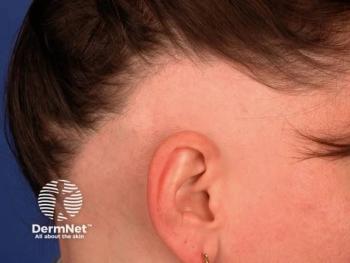
The FDA approval, based on 36-week data from the phase 3 BRAVE-AA-PEDS trial, extends baricitinib access to patients as young as 12 years old with severe alopecia areata.
Guselkumab met primary and major secondary endpoints in the phase 4 STAR study, improving axial PsA symptoms and MRI-confirmed inflammation.
Find out what skin care products and aesthetic innovations clinicians are recommending to patients for the month of September.
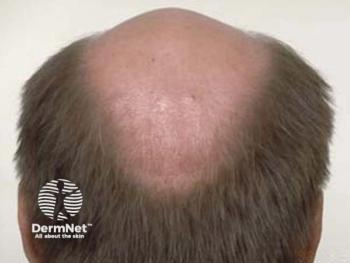
Three experimental hair loss mechanisms are moving through late-stage trials for the first time in decades, and the data are worth knowing before patients ask.
Alexandra Charrow, MD, discussed biologic selection, deroofing, and emerging procedural approaches to hidradenitis suppurativa at Maui Derm NP+PA Fall 2026.

Week 28 data from the phase 2a EVERLAST-A trial showed PASI 100 responses increased to 71.4% despite no additional ORKA-001 dosing after week 4.
Advertisement
Advertisement
Trending on Dermatology Times
1
From Mechanism to Management: Navigating Male Pattern Hair Loss and New Topical Therapies
2
FDA Approves Baricitinib for Adolescents With Severe Alopecia Areata
3
Tremfya Meets Primary, Major Secondary Endpoints in Phase 4 STAR Study of Axial PsA
4
Dermatology Times Spot Test: September 27, 2026
5