


Opinion|Videos|October 19, 2026
Access, Adherence, and Dosing Frequency in Older Psoriasis Patients
Injection anxiety, transportation barriers, and Medicare Part B eligibility converge in this case to make office-administered biologic therapy not a fallback, but often the most realistic path to sustained treatment.
Advertisement
Episodes in this series
In "Access, Adherence, and Dosing Frequency in Older Psoriasis Patients," moderator and panelist weigh how injection frequency and site of care shape whether an older patient stays on therapy.
Returning to the 72-year-old patient, Dr. Bunick asks whether Dr. Armstrong would consider transitioning her to a biologic. Armstrong says she would weigh both oral and biologic therapies, but leans toward an infrequently dosed IL-23 inhibitor given the patient's hand osteoarthritis, since fewer required doses reduce her daily treatment burden and remove the need to remember an oral medication. Dr. Bunick raises a broader point about injections in older patients: many initially cringe at the idea, and some are simply unable to self-administer at home. He describes office-administered injections as valuable beyond the medication itself, since supervised administration builds patient confidence and often becomes a positive social touchpoint, with patients forming connections to nursing staff and feeling cared for during regular visits.
Armstrong agrees these visits are often genuinely enjoyable for patients, especially those with dexterity limitations or training needs. She raises an access point that shapes many treatment plans: for patients whose insurance coverage depends on Medicare Part B, office administration may be the only realistic path to an advanced systemic therapy. Bunick affirms that payer dynamics increasingly dictate which biologics are accessible, particularly for Medicare patients, and reiterates his focus on long-term compliance, floating quarterly, or Q12-week, dosing as especially valuable for older patients facing transportation or mobility barriers.
Armstrong adds that HCP-administered biologics are associated with greater persistence and adherence than self-administered options. She notes that patients are not limited to their prescribing physician's office; other centers of care closer to a patient's home can administer the same therapy, meaning geography need not become a barrier to consistent, adherent treatment over time.
The next episode in this series, "Real-World Persistence Data for IL-23 Biologics in Plaque Psoriasis," features Dr. Armstrong sharing real-world persistence data comparing tildrakizumab against other IL-23 biologics.
Advertisement
Related to this article
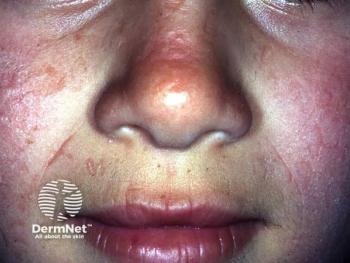
Disc Medicine reports the phase 3 APOLLO trial met all primary and secondary end points, with whole-blood PPIX reduced 41.4% vs placebo and an NDA resubmission planned by end of 2026.

Castor oil has become a popular social media remedy for thicker, longer hair, but evidence supporting its ability to stimulate hair growth remains limited.
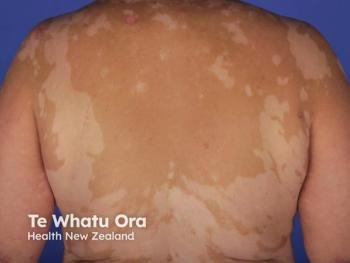
The FDA clearance allows Edesa to expand an ongoing placebo-controlled study of the CXCL10 antibody EB06 to US sites, with topline data expected in the fourth quarter of 2027.

The novel oral helicase-primase inhibitor demonstrated significantly higher rates of complete lesion healing compared with investigator’s choice treatment in the phase 3 PRIOH-1 trial.
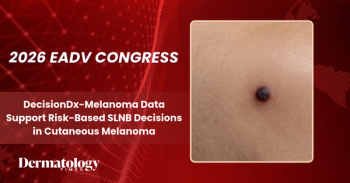
Prospective data suggest DecisionDx-Melanoma may help refine SLNB decisions and identify recurrence risk beyond conventional staging.

Falk G. Bechara, MD, discusses long-term tunnel control, structural damage, and the evolving role of biologics and surgery in HS care.
Galderma has agreed to acquire ZO Skin Health for $1.5 billion, adding the physician-dispensed skincare brand to a portfolio that already includes Cetaphil and Alastin.

New dermatology research explores hidden steroids in OTC products, infant eczema, melanoma prevention, cutaneous lymphoma, and pediatric AD.
Advertisement
Advertisement
Trending on Dermatology Times
1
Social Media Mythbusters: Can Castor Oil Really Grow Hair?
2
EADV 2026 Atopic Dermatitis Highlights: Tilrekimig, RAC2 Inhibition, and Level Up Data
3
FDA Approves Pritelivir for Refractory Mucocutaneous HSV in Immunocompromised Adults
4
GLP-1 Agonists Address Metabolic Risk in Psoriatic Disease
5