


Opinion|Videos|October 12, 2026
Case 2: Treating Late-Onset Plaque Psoriasis in an Older Adult
An independence-minded 72-year-old with hand arthritis and missed oral doses forces a reassessment of what a workable psoriasis regimen looks like once dexterity and daily routine become limiting factors.
Advertisement
Episodes in this series
"Case 2: Treating Late-Onset Plaque Psoriasis in an Older Adult" takes up the question of what changes when a patient's disease appears later in life.
Dr. Bunick introduces the panel's second case: a 72-year-old retired school administrator with plaque psoriasis diagnosed at age 60, now covering 12% of her body surface area on her elbows, knees, and lower back. She reports itch of 6 out of 10 and a moderate impact on her quality of life. She lives alone, values her independence, and finds that the plaques on her knees interfere with walking and sleep. Her medical history includes osteoarthritis of the hands, without current signs of psoriatic arthritis, and type 2 diabetes controlled on metformin and empagliflozin. She has used topical corticosteroids and topical roflumilast, but her hand osteoarthritis makes application difficult, and she frequently misses doses of her more recent oral apremilast because her daily routine keeps changing.
Dr. Armstrong identifies two priorities for this patient: better disease control and a simpler treatment routine. Given her hand arthritis and history of missed oral doses, Armstrong wants a regimen that improves her skin, itch, and sleep while supporting her ability to remain independent. Dr. Bunick asks what additional considerations apply specifically to older adults, and Armstrong describes assessing living situation, transportation access, cognition, and functional ability, often simply by observing how a patient walks into the room. She stresses that age alone should never determine assumptions about a patient's ability to self-administer therapy, since functional ability varies widely even among patients in their seventies and beyond.
Dr. Bunick reflects that many older patients have been "lost to the system" after years on topicals alone, unaware of newer options. Both physicians agree that restoring mobility and social engagement for elderly patients represents one of dermatology's most meaningful opportunities to improve quality of life.
Our next episode, "Debunking Biologic Safety Myths in Elderly Psoriasis Patients," turns to a common misconception about biologic safety in older adults, and why the panel says the opposite is closer to the truth.
Advertisement
Related to this article
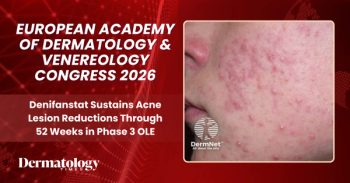
Treatment success reached 56.7% and total lesions fell 71.8% with up to 52 weeks of oral denifanstat, with no adverse event-related discontinuations.
Advertisement
Advertisement
Trending on Dermatology Times
1
JAK Inhibitor Safety in Atopic Dermatitis: Long-Term Epidemiology Data
2
The Value of Precision Medicine in Atopic Dermatitis and Skin Cancers
3
Roflumilast Eases Sexual Difficulties in Psoriasis With Genital Involvement
4
No Observed Skin Lesion Flares After Switching to Upadacitinib in Atopic Dermatitis
5