


Opinion|Videos|October 26, 2026
Transitioning From Self-Injection to HCP-Administered Psoriasis Therapy
Deciding whether to retrain self-injection technique or transition to office-based administration hinges on identifying the true barrier, while high-impact sites like the scalp and nails raise the stakes considerably.
Advertisement
Episodes in this series
In "Transitioning From Self-Injection to HCP-Administered Psoriasis Therapy," our experts examine what to do when a patient can no longer keep up with self-administration.
Dr. Bunick asks how Dr. Armstrong decides between reinforcing self-injection technique and transitioning a patient to HCP-administered therapy. Armstrong says she first identifies the root cause of the difficulty: forgetfulness, dexterity limitations, health literacy barriers, or logistical friction with specialty pharmacy delivery and storage. If the barrier is dexterity or logistics, transitioning to a scheduled HCP appointment can simplify the patient's life considerably, since it becomes a single visit rather than an ongoing self-management task. She weighs this against added transportation time, noting that identifying administration sites closer to the patient's home matters as much as her own office location.
The conversation turns to this case's high-impact sites, the scalp and nails, building on the earlier discussion of palms and soles. Armstrong explains that high-impact sites carry disproportionate quality-of-life consequences: extensive scalp disease, for example, can trigger an itch-scratch cycle that leads to skin trauma and further plaque formation. A thorough history and exam of these areas also raises her assessment of a patient's eligibility for systemic therapy, since high-impact involvement independently supports escalation.
Dr. Bunick asks whether difficult-to-treat sites create additional burden for clinical staff and patients alike. Armstrong confirms that certain high-impact sites, particularly palmar-plantar and genital involvement, are also genuinely difficult to treat, compounding patient frustration. She emphasizes that these patients need more emotional support during encounters and more careful treatment selection overall, since a failed attempt at an already emotionally difficult site can discourage a patient who is already carrying significant psychosocial and quality-of-life burden from that involvement.
The next episode in this series, "Interpreting Scalp and Nail Efficacy Data for Psoriasis Biologics," follows the patient onto an in-office biologic and reviews scalp- and nail-specific efficacy data.
Advertisement
Related to this article
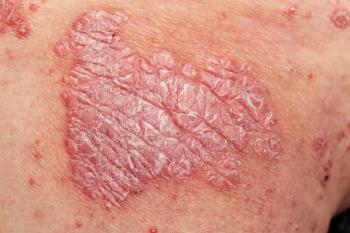
ORKA-001 achieved PASI 100 in 61% of high-dose patients at week 16 in the phase 2b EVERLAST-B trial of moderate-to-severe psoriasis.

Put your dermatology expertise to the test with Dermatology Times’ interactive quiz series.

Stratman discusses individualized eczema care, expanding treatment options, and the potential of precision medicine to guide therapy.
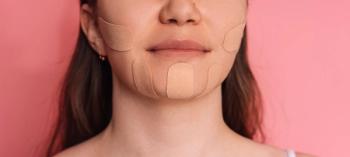
Face taping promises smoother skin and fewer wrinkles without injectables, but evidence suggests any visible benefits are largely temporary.

Explore trending plant oils in skincare and haircare, plus 2026’s hottest actives like ectoin and hypochlorous acid—balancing glow, barrier repair, and irritation risks.

Houston dermatology clinicians compared severity scoring, JAK inhibitor safety data, and psychosocial counseling strategies across 3 alopecia areata patient cases.

Preview the trial data dermatology NPs and PAs will dissect in small-group sessions on AD, psoriasis, and type 2 disease at Horizons in Advanced Practice.
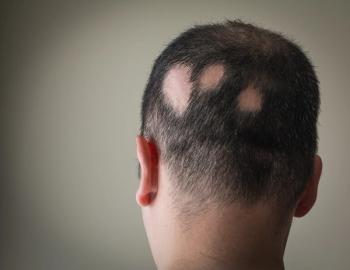
The September issue highlights advances in alopecia areata, cosmetic SPF, psoriasis treatment, teledermatology, and atopic dermatitis.
Advertisement
Advertisement