

Opinion|Videos|September 29, 2026
Long-Term Efficacy and Safety Data for HS Biologics
Adalimumab, secukinumab, and bimekizumab each carry distinct trial populations and response rates. The panel reviews years of efficacy and safety data behind today's approved HS biologics.
Advertisement
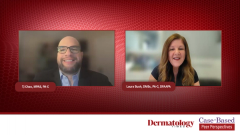
"Long-Term Efficacy and Safety Data for HS Biologics" takes up the clinical trial evidence behind adalimumab, secukinumab, and bimekizumab.
Chao reviews trial data for each approved biologic. Adalimumab's PIONEER 1 and 2 trials, with a three-year open-label extension, enrolled patients with an abscess and nodule count of three or more and early stage 2 or 3 disease; many had never used an anti-TNF agent, reflecting how little was known about the drug class at the time. He notes that documenting early stage 2 or 3, rather than stage 1, in a patient's chart is often necessary for insurance coverage. In the trial, 52.3% of patients maintained HiSCR through week 168 with continuous weekly dosing, and 57.1% of responders plus partial responders achieved HiSCR; the most common adverse events were headache and nasopharyngitis. Secukinumab's SUNSHINE and SUNRISE trials raised the bar to an abscess and nodule count of five or more, again in Hurley stage 2 or 3 patients. Results showed 42-46% achieving HiSCR at week 16, sustained to week 52; a week 104 extension showed numerically longer time to loss of response with continued dosing versus withdrawal, though not statistically significant. Headache was the most common adverse event. Bimekizumab's BE HEARD 1 and 2 trials, with a three-year extension, used the same five-lesion threshold and staging criteria. HiSCR50 reached 79.9% at week 48, maintained near 90.2% through week 148; common adverse events included worsening HS, COVID-19 infections, reflecting the pandemic-era trial timing, and oral candidiasis. Dr. Bush notes adalimumab's lower lesion threshold may partly explain its different response profile, and observes that IL-17 blockade appears to lead in efficacy, though TNF inhibitors still help some patients. On what matters most to patients, Dr. Bush says they care less about percentages than about feeling supported, quoting mentor Douglas DiRuggiero's line that clinicians are "providers of hope."
Up next, in "Safety Considerations and Biologic Treatment Selection in HS," the experts apply this safety and efficacy data directly to the case just introduced.
Advertisement
Related to this article
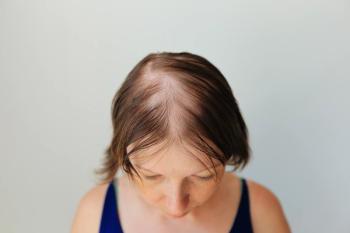
From emerging therapies to earlier intervention and psychosocial support, Dermatology Times looks back at key alopecia areata developments in 2026.

Put your dermatology expertise to the test with Dermatology Times’ interactive quiz series.

Can at-home dermarollers give the same results as in-office microneedling or is that just a myth? Read more about the latest social media trend and learn how to counsel your patients in the clinic.
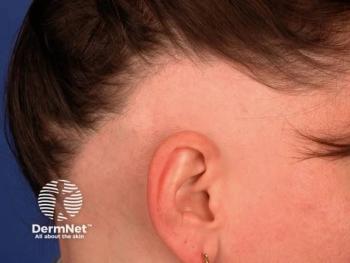
The FDA approval, based on 36-week data from the phase 3 BRAVE-AA-PEDS trial, extends baricitinib access to patients as young as 12 years old with severe alopecia areata.
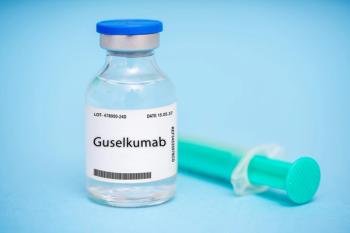
Guselkumab met primary and major secondary endpoints in the phase 4 STAR study, improving axial PsA symptoms and MRI-confirmed inflammation.
Find out what skin care products and aesthetic innovations clinicians are recommending to patients for the month of September.
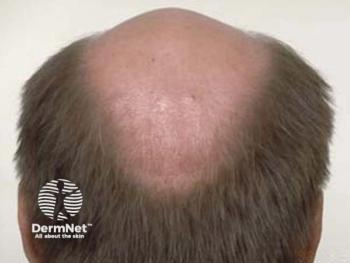
Three experimental hair loss mechanisms are moving through late-stage trials for the first time in decades, and the data are worth knowing before patients ask.
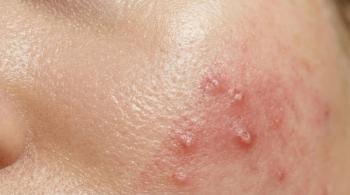
Alexandra Charrow, MD, discussed biologic selection, deroofing, and emerging procedural approaches to hidradenitis suppurativa at Maui Derm NP+PA Fall 2026.
Advertisement
Advertisement
Trending on Dermatology Times
1
FDA Approves Baricitinib for Adolescents With Severe Alopecia Areata
2
Alopecia Areata Awareness Month: 2026 in Review
3
Tremfya Meets Primary, Major Secondary Endpoints in Phase 4 STAR Study of Axial PsA
4
Dermatology Times Spot Test: September 27, 2026
5