

Opinion|Videos|October 27, 2026
Where Oral Therapies Fit in the HS Treatment Algorithm
As oral therapies near approval, the panel considers whether they belong first-line, second-line, or both, and how expanding options could finally support earlier HS treatment escalation.
Advertisement
Episodes in this series
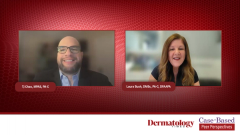
The conversation in "Where Oral Therapies Fit in the HS Treatment Algorithm" turns to where oral therapies might fit alongside today's biologics.
Discussing where povorcitinib, upadacitinib, and remibrutinib might fit if approved, Dr. Bush believes any of them could serve as first-line or second-line therapy, since response cannot be predicted in advance; she would let patients choose between an oral option and an injectable one. Her stated wish is rapid approval and insurance coverage, along with earlier use to prevent patients from reaching advanced, disabling disease stages. Chao pushes back on the common claim that GLP-1 medications have made patients broadly comfortable with injections, arguing that patients remain just as resistant to injections as ever, which makes them genuinely receptive to oral alternatives. He plans to present oral and injectable options side by side as equal first-line choices in his own clinic. Dr. Bush compares this moment to the earlier era of psoriasis treatment, when several approved drugs, including methotrexate and adalimumab, were presented to patients together as parallel options, and she hopes for similarly early access with HS therapies going forward. Turning to how an expanding range of options might affect earlier treatment escalation, Dr. Bush argues that more available tools will keep patients from reaching a severely disabling stage of disease, noting that some HS patients are truly disabled by the condition today. Chao adds that his personal goal is to prevent any patient from progressing beyond early stage 2 disease, given the growing compendium of options now available, and sees no reason patients should still advance to later-stage or stage 3 disease. Both frame the expanding treatment landscape as an opportunity to start therapy earlier across the board, potentially changing the disease trajectory for the majority of patients who currently face years of delay before receiving truly effective care.
Our final episode, "Improving Early Identification and Escalation of HS," closes with practical advice for recognizing and escalating HS sooner.
Advertisement
Related to this article
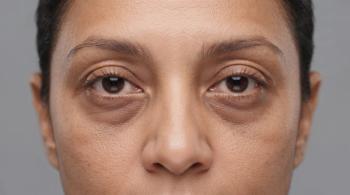
LRM will evaluate injectable rhPDGF-BB as a regenerative approach to infraorbital hollowing in a randomized phase 2b trial.
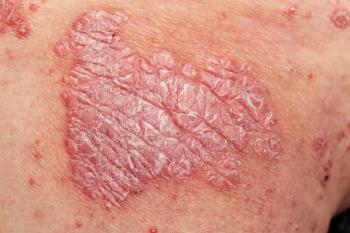
ORKA-001 achieved PASI 100 in 61% of high-dose patients at week 16 in the phase 2b EVERLAST-B trial of moderate-to-severe psoriasis.

Put your dermatology expertise to the test with Dermatology Times’ interactive quiz series.

Stratman discusses individualized eczema care, expanding treatment options, and the potential of precision medicine to guide therapy.

Face taping promises smoother skin and fewer wrinkles without injectables, but evidence suggests any visible benefits are largely temporary.

Explore trending plant oils in skincare and haircare, plus 2026’s hottest actives like ectoin and hypochlorous acid—balancing glow, barrier repair, and irritation risks.

Houston dermatology clinicians compared severity scoring, JAK inhibitor safety data, and psychosocial counseling strategies across 3 alopecia areata patient cases.

Preview the trial data dermatology NPs and PAs will dissect in small-group sessions on AD, psoriasis, and type 2 disease at Horizons in Advanced Practice.
Advertisement
Advertisement
Trending on Dermatology Times
1
ORKA-001 Achieves 61% Complete Skin Clearance in Psoriasis
2
FDA Accepts IND for Injectable rhPDGF-BB in Under-Eye Hollowing
3
Type 2 Inflammation, Growth Curve, and HS Guidance for Advanced Practice
4
Beyond Dry Skin: Rethinking Common Eczema Misconceptions
5