

News|Videos|October 26, 2026
Beyond Dry Skin: Rethinking Common Eczema Misconceptions
Selena Feldman, MD, addresses common eczema myths and highlights the importance of assessing itch, sleep, mental health, and quality of life.
Advertisement
Episodes in this series






Eczema is often reduced to dry, irritated skin, but that perception can obscure the chronic inflammatory nature of the disease and the substantial burden it can place on patients’ daily lives. During
Eczema Is More Than Dry Skin
One of the most common misconceptions Feldman encounters among patients and caregivers is that eczema is simply a problem of dry skin.
“It's really not just dry skin,” Feldman said. “Eczema is a
That distinction is important not only for understanding the pathophysiology of eczema but also for recognizing its broader effects. Disease burden can extend well beyond visible lesions, affecting sleep, mood, interpersonal relationships, and work.
“It's beyond just cosmetic and the way it looks,” Feldman explained. “It really is something that is internal.”
For clinicians, acknowledging these effects can help shift eczema management from a narrow focus on visible disease toward a more comprehensive assessment of how symptoms are affecting patients' quality of life.
Eczema Is Not Exclusively a Childhood Disease
Another misconception is that eczema is primarily a pediatric condition that patients will eventually outgrow. Although some children experience improvement as they age, eczema can persist into adulthood, and disease can also first develop during adulthood.
“Many adults have it, and there actually is also
Through her work in women's dermatologic health, Feldman has also observed eczema emerging during different stages of adulthood, including periods of substantial hormonal change.
“I see women throughout the course of their lives, and I do see eczema in women,” she said. “It can show up in their 20s, 30s, during
Recognizing the possibility of adult-onset disease may be particularly important when evaluating patients who do not have a childhood history of eczema but present with new eczematous symptoms later in life.
Addressing Fear Around Topical Corticosteroids
Feldman also pointed to
Concerns about safety, including information patients encounter online or receive from other sources, can result in reluctance to use prescribed therapies. Feldman emphasized that topical corticosteroids remain safe and effective when used appropriately.
“Used correctly, topical steroids are very safe and very effective,” she said.
Fear surrounding treatment can itself become a barrier to disease control. Patients may apply too little medication, discontinue therapy prematurely, or otherwise use treatment in a way that limits its effectiveness.
“The fear of using them or overusing them often leads to patients using too little or using them ineffectively, or for too short of a time,” Feldman explained. “Then the eczema just doesn't get treated, and that can be really problematic.”
For clinicians, these concerns reinforce the importance of counseling patients on appropriate topical corticosteroid use, including where, how much, and for how long treatment should be applied.
Looking Beyond What Is Visible in the Exam Room
Assessing eczema severity also requires clinicians to look beyond the patient's appearance during a single office visit.
“What I can see visibly on the skin is really just a snapshot in time,” Feldman said. “It doesn't tell me what someone's nights look like, what someone's mornings look like, what their daily after the shower looks like.”
Feldman specifically asks patients about
For itch, she may ask patients to rate its severity from 0 to 10 on both good and bad days. To evaluate sleep disruption, she asks how many nights each week patients wake because of itching.
These targeted questions can help clinicians uncover symptom burden that might otherwise go unrecognized, particularly when visible disease appears relatively controlled at the time of the visit.
Feldman also recommends asking a broader question: How is eczema affecting your life?
The answer may reveal that a patient is skipping workouts, changing daily routines, feeling self-conscious, or avoiding intimate relationships because of the location or appearance of their disease.
Recognizing the Mental Health Burden
The psychosocial consequences of eczema should also be considered as part of disease assessment. Feldman noted that psychiatric comorbidities are common across dermatologic conditions, and eczema is no exception.
“A lot of eczema patients can end up suffering from
Taken together, these considerations underscore the importance of treating eczema as more than a visible skin condition. Correcting misconceptions surrounding the disease, addressing treatment fears, and asking targeted questions about itch, sleep, daily activities, relationships, and emotional well-being can give clinicians a more complete picture of disease burden and help guide individualized care.
References
- Sidbury R, Alikhan A, Bercovitch L, et al. Guidelines of care for the management of atopic dermatitis in adults with topical therapies. J Am Acad Dermatol. 2023;89(1):e1-e20. doi:10.1016/j.jaad.2022.12.029
PubMed - Li AW, Yin ES, Antaya RJ. Topical corticosteroid phobia in atopic dermatitis: a systematic review. JAMA Dermatol. 2017;153(10):1036-1042. doi:10.1001/jamadermatol.2017.2437
PubMed - Samynathan A, Fishbein AB, Abbott SM, et al. Assessment and management of sleep disturbances in atopic dermatitis: a review. Dermatitis. 2024;35(S1):S7-S12. doi:10.1089/derm.2023.0074
PubMed - American Academy of Dermatology. Atopic dermatitis clinical guideline. Accessed October 23, 2026.
American Academy of Dermatology AAD Atopic Dermatitis Clinical Guidelines
Advertisement
Related to this article

Stratman discusses individualized eczema care, expanding treatment options, and the potential of precision medicine to guide therapy.
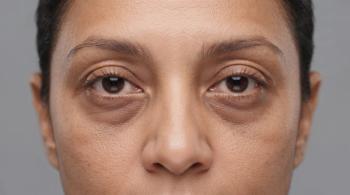
LRM will evaluate injectable rhPDGF-BB as a regenerative approach to infraorbital hollowing in a randomized phase 2b trial.
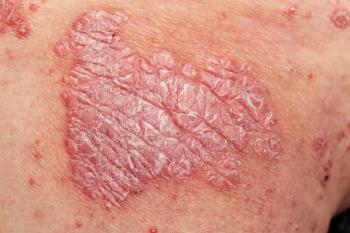
ORKA-001 achieved PASI 100 in 61% of high-dose patients at week 16 in the phase 2b EVERLAST-B trial of moderate-to-severe psoriasis.

Put your dermatology expertise to the test with Dermatology Times’ interactive quiz series.

Face taping promises smoother skin and fewer wrinkles without injectables, but evidence suggests any visible benefits are largely temporary.

Explore trending plant oils in skincare and haircare, plus 2026’s hottest actives like ectoin and hypochlorous acid—balancing glow, barrier repair, and irritation risks.

Houston dermatology clinicians compared severity scoring, JAK inhibitor safety data, and psychosocial counseling strategies across 3 alopecia areata patient cases.

Preview the trial data dermatology NPs and PAs will dissect in small-group sessions on AD, psoriasis, and type 2 disease at Horizons in Advanced Practice.
Advertisement
Advertisement
Trending on Dermatology Times
1
Type 2 Inflammation, Growth Curve, and HS Guidance for Advanced Practice
2
ORKA-001 Achieves 61% Complete Skin Clearance in Psoriasis
3
COSMETIC CONUNDRUMS: The New Ingredient Landscape
4
Social Media Mythbusters: Can Face Taping Really Prevent Wrinkles?
5