


Opinion|Videos|September 29, 2026
Case 1: Assessing Severity and Barriers to Biologics in HS
A 29-year-old with years of axillary and groin disease illustrates how psychosocial toll, not just visible lesions, should guide the decision to escalate beyond conventional HS therapy.
Advertisement
In "Case 1: Assessing Severity and Barriers to Biologics in HS," the panel turns to the series' first patient case.
Chao presents the first patient case: a 29-year-old woman with a five-year history of recurrent, painful lesions in the axilla and groin, whose flares have increased to one to two per month over the past 18 months. Exam findings include bilateral axillary inflammatory nodules, draining sinus tracts, double comedones, and tender nodules with scarring in the bilateral inguinal folds. Her history includes obesity with a BMI of 34, former smoking, anxiety, and a mother with a similar history of recurrent boils. Quality of life has suffered significantly. She has stopped exercising, avoids sleeveless clothing, avoids intimacy, misses work during flares, and carries significant anxiety about odor and drainage. Her treatment history includes antiseptic wash with topical clindamycin for about a year, oral doxycycline for three to four months, and combined oral clindamycin and rifampin for 10 to 12 weeks. Dr. Bush's first reaction is that this patient needs help and that chronic antibiotic use signals a clear need for escalation. She stresses reassuring the patient that the disease is not her fault. Chao notes that patients like this are often told elsewhere to simply shower more, reinforcing shame the patient likely already feels; dispelling that misconception is essential to building trust. Assessing severity, Dr. Bush says visible abscesses and nodules combined with quality of life impact are enough to trigger escalation, and for this patient she would consider a biologic, possible de-roofing, and even helping her file FMLA paperwork to protect her job. On barriers to biologic initiation, Dr. Bush names patient mistrust from being shuffled between providers, insurance company delays, and occasional provider hesitancy. For a history like this one, she argues delay is unjustified once a clear, transparent treatment plan, including potential side effects, has been laid out for the patient.
In "Long-Term Efficacy and Safety Data for HS Biologics," the panel reviews the long-term trial data behind the biologics just discussed.
Advertisement
Related to this article

From emerging therapies to earlier intervention and psychosocial support, Dermatology Times looks back at key alopecia areata developments in 2026.

Put your dermatology expertise to the test with Dermatology Times’ interactive quiz series.

Can at-home dermarollers give the same results as in-office microneedling or is that just a myth? Read more about the latest social media trend and learn how to counsel your patients in the clinic.
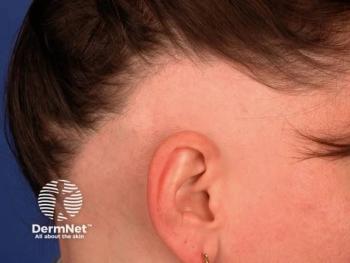
The FDA approval, based on 36-week data from the phase 3 BRAVE-AA-PEDS trial, extends baricitinib access to patients as young as 12 years old with severe alopecia areata.
Guselkumab met primary and major secondary endpoints in the phase 4 STAR study, improving axial PsA symptoms and MRI-confirmed inflammation.

Find out what skin care products and aesthetic innovations clinicians are recommending to patients for the month of September.
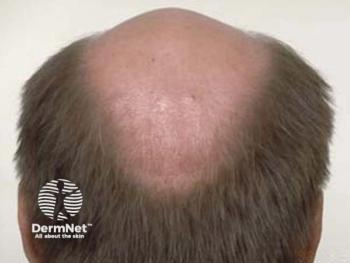
Three experimental hair loss mechanisms are moving through late-stage trials for the first time in decades, and the data are worth knowing before patients ask.

Alexandra Charrow, MD, discussed biologic selection, deroofing, and emerging procedural approaches to hidradenitis suppurativa at Maui Derm NP+PA Fall 2026.
Advertisement
Advertisement
Trending on Dermatology Times
1
FDA Approves Baricitinib for Adolescents With Severe Alopecia Areata
2
Alopecia Areata Awareness Month: 2026 in Review
3
Tremfya Meets Primary, Major Secondary Endpoints in Phase 4 STAR Study of Axial PsA
4
Dermatology Times Spot Test: September 27, 2026
5