

Opinion|Videos|September 30, 2026 (Updated: September 30, 2026)
Why Hedgehog Inhibitors Remain Underused in Advanced BCC
Author(s)Gaurav Singh, MD MPH
Although hedgehog pathway inhibitors are considered first-line systemic therapy for locally advanced disease, surgical fatigue and patient preference may warrant earlier discussion of oral treatment than current practice patterns reflect.
Advertisement
Episodes in this series
: "Why Hedgehog Inhibitors Remain Underused in Advanced BCC" takes up the question of why oral systemic therapy is often overlooked for patients with advanced basal cell carcinoma.
Dr. Singh describes hedgehog pathway inhibitors as a frequent first-line option for patients with locally advanced basal cell carcinoma. Speaking as a Mohs surgeon, he nonetheless believes the class is underutilized, in part because so many of these tumors are surgically curable.
In his view, the most important indication for considering systemic therapy is patient preference. He regularly sees patients who have undergone Mohs surgery many times for multiple skin cancers over the years. He describes this as surgical fatigue, and these patients begin asking whether excision is truly the only path forward.
Dr. Singh listens for specific cues during preoperative visits. Questions about whether the cancer could simply be monitored, or what would happen if it were left alone, prompt him to raise hedgehog inhibitor therapy. These conversations can lead to an oral treatment discussion even when the tumor did not initially appear to warrant systemic therapy. For that reason, he argues systemic options should be considered earlier than they currently are for many patients.
He then reviews the two approved agents. Vismodegib is indicated for metastatic basal cell carcinoma, or for locally advanced disease that has recurred after surgery or occurs in patients who are not candidates for surgery or radiation. Sonidegib is indicated for adults with locally advanced disease that has recurred after surgery or radiation, or who are not candidates for either.
Dr. Singh acknowledges that surgical and radiation candidacy are themselves open to interpretation. At City of Hope, he, the radiation oncologist, and the medical oncologist can meet with a patient together in real time. That model lets the team weigh the tumor, the labeled indications, and the patient's overall goals of care rather than defaulting automatically to surgery or radiation.
Up next, in "Sequencing Hedgehog Inhibitors with Surgery, Radiation, and Immunotherapy in BCC," Dr. Singh examines how hedgehog inhibitors can be combined and sequenced with surgery, radiation, and immunotherapy.
Advertisement
Related to this article
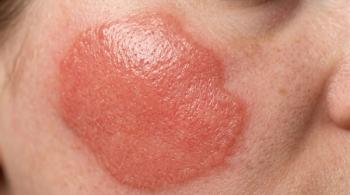
Phase 2 data presented at EADV 2026 showed daxdilimab significantly reduced disease activity and improved response rates in treatment-refractory DLE.
Presented as a late breaker at EADV 2026, mid-dose zumilokibart achieved EASI-75 in 65.9% of adults with atopic dermatitis vs 23.4% with placebo at week 16.
This review of the latest dermatological studies includes insights on ruxolitinib for lichen planus, early vitiligo treatment, psoriasis response, AD disease control, and PFB management.
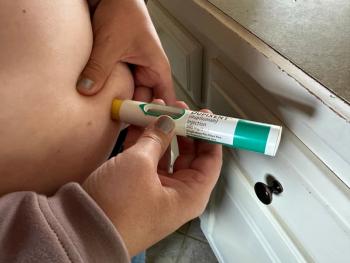
EADV 2026 data highlight dupilumab’s effects on growth, quality of life, disease control, and itch across multiple dermatologic diseases.

The FDA approved therapies for melanoma, dermatomyositis, superficial basal cell carcinoma, and adolescent alopecia areata, while TYK2 inhibitors and rare disease filings advanced toward 2027 decisions.
Dermatology Times is looking back on the top stories in dermatology from the month of September.
Explore the top headlines of the month, including insights on the latest clinical trials, therapeutic updates, and more.
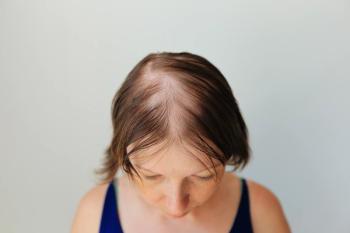
From emerging therapies to earlier intervention and psychosocial support, Dermatology Times looks back at key alopecia areata developments in 2026.
Advertisement
Advertisement
Trending on Dermatology Times
1
Dupilumab Data at EADV 2026 Highlight Outcomes Across AD, CSU, and Prurigo Nodularis
2
Late Breaking: Zumilokibart Meets Primary End Point in Phase 2 Atopic Dermatitis Trial
3
Dermatology FDA and Pipeline Review: Q3 2026 Approvals and Readouts
4
FDA Approves Baricitinib for Adolescents With Severe Alopecia Areata
5