

Opinion|Videos|October 28, 2026
Case 3: Managing a Radiation-Refractory Patient with Recurrent Scalp BCC
Author(s)Gaurav Singh, MD MPH
After repeated surgery and radiation have failed, systemic hedgehog inhibition offers a path toward disease control, with pivotal and real-world vismodegib data guiding expectations for response, duration, and tolerability.
Advertisement
Episodes in this series

The final case, presented in "Case 3: Managing a Radiation-Refractory Patient with Recurrent Scalp BCC," examines what options remain when both surgery and radiation have failed.
Dr. Singh describes a 68-year-old man with a 9-year history of recurrent, locally advanced scalp basal cell carcinoma. Despite multiple surgeries and prior radiation, the tumor has progressed over the past year. He is independent, with an ECOG status of 1 and well-controlled diabetes and hypertension. An ulcerated scalp lesion extends into soft tissue, laboratory values are normal, and imaging shows invasive disease without nodal or distant spread. Pathology shows scar, suggesting recurrence, with infiltrative features and involvement to at least the muscle. The tumor board judged re-irradiation inappropriate and further surgery potentially futile.
Dr. Singh implores surgeons and radiation oncologists to consider systemic options when modalities fail, and to involve medical oncology or dermatology colleagues. Because radiation has already failed, he frames stable disease as a realistic goal alongside complete response. A PD-1 inhibitor was discussed, and vismodegib 150 mg daily was initiated.
He reviews the ERIVANCE BCC data, with investigator-assessed response rates of about 49% in metastatic and 60% in locally advanced disease. Median response duration was about 15 months in metastatic and just over 2 years in locally advanced disease. In STEVIE, median treatment duration was 8.6 months, with response rates near 37% and 69%, respectively, but 98% of patients had treatment-related adverse reactions.
He notes that muscle spasms, alopecia, dysgeusia, fatigue, and nausea drive many discontinuations. His team uses L-carnitine and encourages patients to explore their changing tastes. Response typically takes about 4 months. If there is no response by 6 months, when alopecia and fatigue also accelerate, he typically switches to a PD-1 inhibitor such as cemiplimab.
His closing message is that advanced disease is not always obvious. Smaller tumors on cosmetically sensitive sites, or tumors previously treated with surgery or radiation, may also benefit from hedgehog inhibitor therapy, especially before surgery. Thank you for watching this Dermatology Times Case-Based Peer Perspectives series on locally advanced basal cell carcinoma. Please subscribe to our eNewsletter for information on upcoming video series.
Advertisement
Related to this article
Updated SKYRIZI labeling allows clinicians to use clinical judgment when determining the need for TB evaluation before treatment.

Experts outline how to recognize undertreated psoriasis, assess incomplete response, and make individualized decisions when escalating therapy.

ATI-052 improved disease severity and itch in a phase 1b trial of patients with severe atopic dermatitis, with no grade 3 or 4 adverse events.
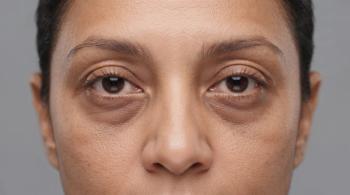
LRM will evaluate injectable rhPDGF-BB as a regenerative approach to infraorbital hollowing in a randomized phase 2b trial.
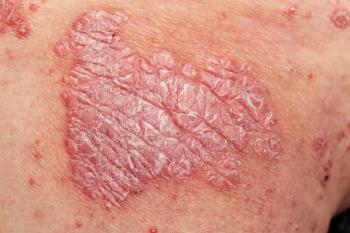
ORKA-001 achieved PASI 100 in 61% of high-dose patients at week 16 in the phase 2b EVERLAST-B trial of moderate-to-severe psoriasis.

Put your dermatology expertise to the test with Dermatology Times’ interactive quiz series.

Stratman discusses individualized eczema care, expanding treatment options, and the potential of precision medicine to guide therapy.

Face taping promises smoother skin and fewer wrinkles without injectables, but evidence suggests any visible benefits are largely temporary.
Advertisement
Advertisement