


J. Caleb Runyon, NP-C, shares how he turned an unmet need into The Closer Look Project and what he learned along the way.

Shannon Heaning is a content associate for Dermatology Times® and joined the MJH Life Sciences team in June 2026. She graduated summa cum laude from Loyola University Maryland with a Bachelor of Arts in sociology and earned the top GPA in her major. Before joining Dermatology Times®, Shannon gained experience in clinical research, patient advocacy, and health communications. She is particularly passionate about rare disease awareness and patient-centered storytelling. Outside of work, she enjoys reading, drawing, and spending time with her dogs.
You can reach her at: [email protected]
J. Caleb Runyon, NP-C, shares how he turned an unmet need into The Closer Look Project and what he learned along the way.

ACP outlines ethical AI in medicine: protect patient trust, fight bias, avoid deskilling, and disclose AI use as dermatology adopts new tools.

A twice-rejected melanoma immunotherapy finally won accelerated approval, acne's decades-long innovation drought moved a step closer to ending, and 2 rare, sun-triggered skin diseases picked up a deep-pocketed new sponsor.

Week 52 data show ixekizumab plus tirzepatide sustained or improved disease activity and metabolic outcomes in psoriasis and psoriatic arthritis.
Lisa Weiss, PA, discussed timely immunodermatology education, standout sessions, and the collaborative community at Elevate-Derm.

Every week, we cut through the noise to bring clinicians the trial results, approvals, and emerging therapies that are actually moving the needle.

Test your knowledge of YCANTH and its phase 3 development program for common warts, including its current indication and COVE trials.
Shawn Demehri, MD, PhD, discussed immunomodulatory and antigen-directed immunotherapy approaches for skin cancer prevention in a recent Dermatology Times interview.
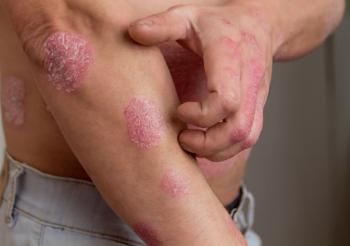
Jennifer Soung, MD, discusses whole patient care for psoriasis and alopecia areata and why setting realistic expectations matters for hair regrowth.

Shawn Demehri, MD, PhD, discusses a calcipotriene/5-FU combination immunotherapy for field cancerization and its potential in organ transplant recipients.
Eileen Cheever, MPAS, PA-C, discussed patient advocacy, mentorship, and improving dermatologic care across different stages of life.

Kimberly Madison, DNP, discussed how dermatology education can help nurses strengthen documentation, patient education, triage, and access to care.

Stay ahead with a weekly roundup of the biggest practice management, AI, policy, business, and professional development updates in dermatology.

Hair transplantation is expanding beyond scalp restoration. Here’s what NPs and PAs should know about candidacy, counseling, and recovery.
Stay ahead with a weekly roundup of the biggest practice management, AI, policy, business, and professional development updates in dermatology.

Daniel Butler, MD, shares practical considerations for NPs and PAs treating psoriasis in older adults, from counseling to treatment access.
Justin Love, PA, discussed the role of emotional intelligence, communication, and preparation when navigating difficult patient conversations.
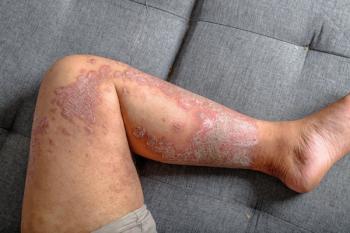
Quoin reported positive interim phase 2/3 results for QRX003, which met the primary endpoint in patients with Netherton syndrome.

Paul Rose, MD, JD, discusses nonscalp hair transplantation, patient selection, common misconceptions, and the future of hair restoration.
Shawn Demehri, MD, PhD, discussed a topical combination immunotherapy being studied for skin cancer prevention in high-risk patients.

Jennifer Soung, MD, discussed whole-person care for psoriasis and alopecia areata and emerging conversations around skin aging and menopause.
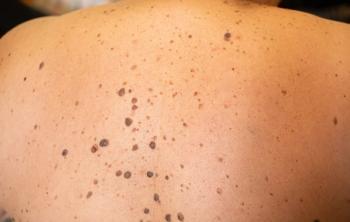
Verrica Pharmaceuticals has completed enrollment in COVE-2, its first pivotal phase 3 trial of YCANTH for common warts, with topline data expected in the first quarter of 2027.

As NPs and PAs take on more dermatology care, specialty certification remains limited despite growing opportunities for advanced training.

A meta-analysis found significantly lower SCC risk in patients with vitiligo, offering useful context for skin cancer and phototherapy counseling.
Stephanie Kauffman, chief executive officer of the Melanoma Research Alliance, discussed funding strategy, early career researcher support, and melanoma prevention in a recent Dermatology Times interview.
Daniel Butler, MD, discusses the 5Ms of geriatric care, shared decision-making, deprescribing, and emerging approaches to chronic itch.
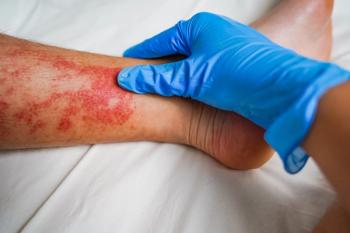
Rezpegaldesleukin improved EASI, itch, and other outcomes in phase 2b REZOLVE-AD, supporting continued phase 3 development.
Lisa Weiss, PA-C, discussed why continuous learning and conference attendance remain valuable for dermatology PAs at every career stage.
A patient is thriving on JAK inhibitor therapy—then her LDL spikes. Work through the case and decide what you would do next.
Test your knowledge of Tudriqev’s accelerated approval, clinical activity, administration, and ongoing confirmatory research.