


Sonelokimab met the primary end point in phase 3 IZAR-1, with 42.1% of biologic-naive patients achieving ACR50 at week 16.

Shannon Heaning is a content associate for Dermatology Times® and joined the MJH Life Sciences team in June 2026. She graduated summa cum laude from Loyola University Maryland with a Bachelor of Arts in sociology and earned the top GPA in her major. Before joining Dermatology Times®, Shannon gained experience in clinical research, patient advocacy, and health communications. She is particularly passionate about rare disease awareness and patient-centered storytelling. Outside of work, she enjoys reading, drawing, and spending time with her dogs.
You can reach her at: [email protected]
Sonelokimab met the primary end point in phase 3 IZAR-1, with 42.1% of biologic-naive patients achieving ACR50 at week 16.

Stay ahead with a weekly roundup of the biggest practice management, AI, policy, business, and professional development updates in dermatology.

Isoclear regimen combines topical isotretinoin with stage-specific ingredients from active treatment through long-term maintenance
Aaron Farberg, MD, discusses how localized isotretinoin delivery may affect treatment burden, tolerability, and adherence.

Kimberly Madison, DNP, and Jade Trevino, BSN, RN, discussed nurse-led triage, task shifting, and AI-supported care models for expanding dermatology access in a recent Dermatology Times interview.

Madison and Trevino discuss how AI can support diagnostic decisions, improve efficiency, and strengthen NP-led dermatology care

AAD guidelines strongly recommend roflumilast, ruxolitinib, and tapinarof, expanding steroid-sparing options for pediatric atopic dermatitis.

Catch up on the biggest clinical updates, expert insights, and exclusive interviews from Elevate-Derm Summer 2026 in San Diego, California.

Every week, we cut through the noise to bring clinicians the trial results, approvals, and emerging therapies that are actually moving the needle.
Catch Up on Coverage From Day 5 of the 3rd Annual Elevate-Derm Summer Conference

Catch Up on Coverage From Day 4 of the 3rd Annual Elevate-Derm Summer Conference

Catch Up on Coverage From Day 3 of the 3rd Annual Elevate-Derm Summer Conference

Faculty at Elevate-Derm Summer 2026 discussed the expanding role of oral JAK inhibitors in pediatric dermatology, emphasizing earlier intervention, individualized patient selection, safety monitoring, and family-centered counseling.

Advances in vitiligo, hidradenitis suppurativa, and hair loss were among the key trends Chantel Hillstead, APRN, said APPs should watch.

Lisa Swanson, MD, discussed strategies for counseling patients on JAK inhibitor safety and where she sees the drug class expanding next in a recent Dermatology Times interview.

Oyetewa Asempa, MD, discussed the importance of scalp examination, trichoscopy, and culturally informed communication when evaluating patients with hair loss during a recent Dermatology Times interview

Victoria Garcia Albea, NP, discussed safety monitoring, patient selection, and laboratory screening considerations for oral JAK inhibitors at Elevate-Derm summer 2026

Catch Up on Coverage From Day 2 of the 3rd Annual Elevate-Derm Summer Conference

At Elevate Derm, Lisa Swanson, MD, discussed earlier oral JAK inhibitor use for alopecia areata and selecting appropriate patients.

Aaron Farberg, MD, discusses how Isoclear aims to deliver isotretinoin directly to the skin through a customizable compounded topical system while avoiding the monitoring requirements associated with oral therapy.

San Diego meeting highlights inflammatory dermatoses, skin cancer, alopecia, and emerging therapeutic advances

July's FDA news was quiet, but an infant AD filing, JAK-refractory alopecia data, and a new device clearance hint at what's next.

Catch Up on Coverage From Day 1 of the 3rd Annual Elevate-Derm Summer Conference

Systematic review highlights AI-supported triage, nursing education, and workforce strategies for underserved communities
Every week, we cut through the noise to bring clinicians the trial results, approvals, and emerging therapies that are actually moving the needle.

Survey highlights APP autonomy, prescribing confidence, and treatment priorities in atopic dermatitis care
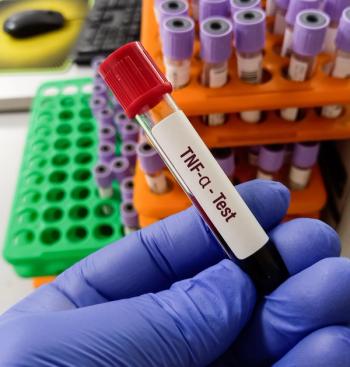
Long-term TNF inhibitor use was associated with significantly increased risks of melanoma and nonmelanoma skin cancer in a large cohort study.
Stay ahead with a weekly roundup of the biggest practice management, AI, policy, business, and professional development updates in dermatology.

NPF guidance outlines patient selection, counseling, and multidisciplinary management of GLP-1 receptor agonists in psoriasis.

IEC modified Delphi process establishes standardized treatment targets for atopic dermatitis