

Face taping promises smoother skin and fewer wrinkles without injectables, but evidence suggests any visible benefits are largely temporary.

Shannon Heaning is a content associate for Dermatology Times® and joined the MJH Life Sciences team in June 2026. She graduated summa cum laude from Loyola University Maryland with a Bachelor of Arts in sociology and earned the top GPA in her major. Before joining Dermatology Times®, Shannon gained experience in clinical research, patient advocacy, and health communications. She is particularly passionate about rare disease awareness and patient-centered storytelling. Outside of work, she enjoys reading, drawing, and spending time with her dogs.
You can reach her at: sheaning@mjhlifesciences.com
Face taping promises smoother skin and fewer wrinkles without injectables, but evidence suggests any visible benefits are largely temporary.

Houston dermatology clinicians compared severity scoring, JAK inhibitor safety data, and psychosocial counseling strategies across 3 alopecia areata patient cases.
Menopause can bring dryness, sensitivity, acne, and loss of firmness, requiring dermatologists to adapt skin care to patients’ changing needs.
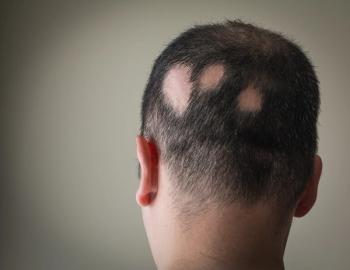
The September issue highlights advances in alopecia areata, cosmetic SPF, psoriasis treatment, teledermatology, and atopic dermatitis.

Phase 3 data show intismeran plus pembrolizumab reduced recurrence or death risk by 42% in patients with resected stage IIB-IV melanoma.

Burnout, APP growth, alopecia care, advanced BCC, and pediatric dermatology highlight the push toward more individualized care.

An interactive alopecia areata case explores when to initiate systemic therapy and how long to assess treatment response.

Lutikizumab significantly improved HiSCR75 response, pain, and disease flares in adults and adolescents with moderate to severe HS.

Angelo Landriscina, MD, discusses winter UV misconceptions, year-round photoprotection, and the role of UPF clothing in sun protection.
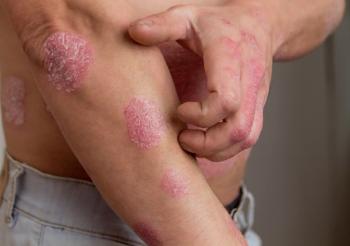
Tina Bhutani-Jacques, MD, explored how disease location, prior treatment response, and patient preference shape topical treatment decisions across 3 plaque psoriasis cases.

Castor oil has become a popular social media remedy for thicker, longer hair, but evidence supporting its ability to stimulate hair growth remains limited.

A 2026 Medscape survey found that burnout remains a significant concern among PAs, with bureaucratic demands, inadequate compensation, and long working hours among the leading contributors.

The novel oral helicase-primase inhibitor demonstrated significantly higher rates of complete lesion healing compared with investigator’s choice treatment in the phase 3 PRIOH-1 trial.
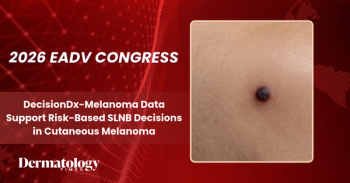
Prospective data suggest DecisionDx-Melanoma may help refine SLNB decisions and identify recurrence risk beyond conventional staging.

Falk G. Bechara, MD, discusses long-term tunnel control, structural damage, and the evolving role of biologics and surgery in HS care.
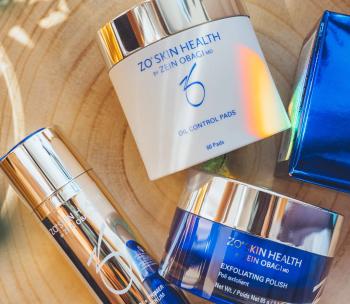
Galderma has agreed to acquire ZO Skin Health for $1.5 billion, adding the physician-dispensed skincare brand to a portfolio that already includes Cetaphil and Alastin.

New dermatology research explores hidden steroids in OTC products, infant eczema, melanoma prevention, cutaneous lymphoma, and pediatric AD.

SYX-5219 improved disease severity and itch in a Phase 1b trial of adults with moderate to severe atopic dermatitis.

An analysis of 633 skincare brands found gaps in evidence, safety information, and claim support, raising questions about what patients can verify online.

Can “Botox in a bottle” really rival injectable neuromodulators? We examine the evidence behind topical peptide serums and Argireline.

Dermatology clinicians at a Case-Based Roundtable in Austin, Texas, discussed real-world strategies for sequencing topical therapy, phototherapy, and ruxolitinib cream across pediatric and adult vitiligo cases.
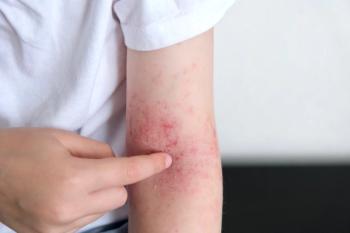
Christophe Piketty discusses 3-year ARCADIA data demonstrating sustained efficacy and long-term safety of nemolizumab in atopic dermatitis.
Stay ahead with a weekly roundup of the biggest practice management, AI, policy, business, and professional development updates in dermatology.

Symptomatic dermographism has its first on-label treatment. Here’s what APPs should know about recognition, treatment, and remibrutinib.
Whitney Tolpinrud, MD, discusses how personalized skin care can evolve from acne treatment toward prevention and skin longevity.

Three-year ARCADIA LTE data show sustained skin clearance and itch control with nemolizumab in moderate-to-severe atopic dermatitis.

Upadacitinib showed broader inflammatory effects and earlier skin barrier restoration than dupilumab in atopic dermatitis.
A patient with moderate-to-severe plaque psoriasis has improved on treatment—but persistent plaques, itch, and frustration leave him wanting more. How would you approach the next step?
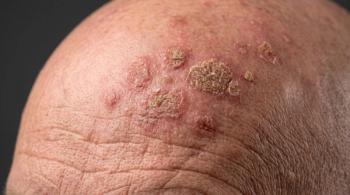
The supplemental New Drug Application seeks to expand the use of Ameluz with red light photodynamic therapy beyond the face and scalp to actinic keratoses on the extremities, neck, and trunk.

Whitney Tolpinrud, MD, discusses the evolution of personalized prescription skin care, patient expectations in the digital age, and clinical trends.