Preview the trial data dermatology NPs and PAs will dissect in small-group sessions on AD, psoriasis, and type 2 disease at Horizons in Advanced Practice.
James Caleb Runyon, MSN, APRN, FNP-C, discussed how his Closer Look Project trains personal care professionals to recognize signs of skin cancer.
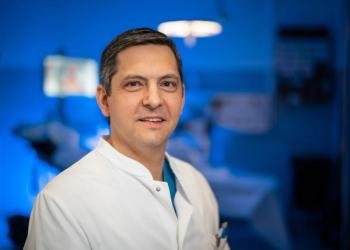
James Caleb Runyon, MSN, APRN, FNP-C, a dermatology and acute care surgery nurse practitioner, discussed the origins of the Closer Look Project, an initiative that educates personal care professionals about signs of skin cancer and connects them with health care providers who accept their referrals, in a recent Dermatology Times interview.
Runyon developed the idea after noticing that patients frequently came to his dermatology practice because a
Early in his dermatology career, Runyon noticed a recurring pattern: Patients would arrive for appointments explaining that a hairdresser or barber had noticed a spot and encouraged them to have it evaluated.
Runyon’s mother is a hairdresser, and the encounters led him to consider how personal care professionals could be better equipped to distinguish common benign findings from potentially concerning skin changes and make appropriate recommendations to their clients.
Initially, however, Runyon set the idea aside while establishing his clinical career.
The idea became a priority after Runyon’s grandfather, then 76 and living in
For Runyon, the diagnosis transformed his understanding of melanoma from something he knew clinically and professionally into something he understood personally. He began considering whether his grandfather’s melanoma could have been prevented or, at minimum, detected earlier.
His grandfather generally avoided medical appointments and had difficulty hearing, which Runyon said could leave him more confused after a visit than when he arrived. One appointment, however, remained a fixture in his routine: his monthly trip to the barber.
“He goes to his barber appointment once a month. He would not miss that,” Runyon said.
That consistency helped Runyon recognize an opportunity. Personal care professionals
The advanced stage of his grandfather’s melanoma also created a sense of urgency around getting that message to others.
Runyon initially focused the Closer Look Project on hairdressers and barbers before realizing that other personal care professionals—including
His grandfather’s experience also reinforced the importance of delivering health information through people patients already know and trust.
Runyon connected that concept with ideas discussed in Medical Mistrust in Appalachia, a book he said he had recently been reading. One of its messages, he explained, was that health care professionals can sometimes build trust by engaging people within a patient’s culture or community who already have an established relationship with them.
“You need sometimes to prevent being a voice of mistrust, and the way that you can do that is...consult cultural people in their life that have an impact,” Runyon said.
For Runyon, his mother’s career provided a clear example of what those relationships can look like.
Over more than 2 decades as a hairdresser, Runyon watched his mother develop close relationships with her clients that extended far beyond hair care.
“She was a therapist for them, she was a friend, she was...all these things,” Runyon said.
Those relationships helped shape Runyon’s vision for the Closer Look Project. Rather than simply teaching personal care professionals what to look for, he wanted to help them approach clients in a way that made conversations about concerning skin findings feel comfortable and nonjudgmental.
By equipping people who already have established relationships with their clients, Runyon hopes the initiative can create another pathway to earlier evaluation while helping individuals feel comfortable and seen.
For APPs across all stages of their dermatology careers, opportunities to connect, learn, and share experiences can be an important part of professional growth. Dermatology Times invites nurse practitioners and physician assistants to share their perspectives through NP/PA Connect. APPs can contribute clinical insights, career experiences, advocacy efforts, lessons learned, and perspectives on emerging treatments while connecting with colleagues across the dermatology community.
Interested in getting involved? Contact editor Shannon Heaning at sheaning@mjhlifesciences.com to contribute.