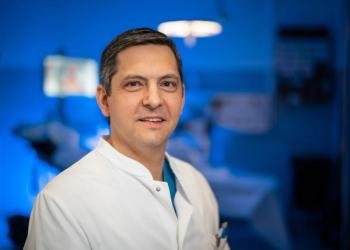
Falk G. Bechara, MD, discusses long-term tunnel control, structural damage, and the evolving role of biologics and surgery in HS care.
Eileen Cheever, MPAS, PA-C, discussed patient advocacy, mentorship, and improving dermatologic care across different stages of life.
Eileen Cheever, MPAS, PA-C, a dermatology physician assistant at Clearview Dermatology in Massachusetts, joined Dermatology Times at the
Cheever described advocacy as an important part of caring for patients who have spent years living with chronic skin diseases such as
"They just don't know what they don't know," Cheever said.
For Cheever, the first steps include identifying and diagnosing the disease while recognizing the patient's previous experiences and frustrations. From there, she focuses on education and helping patients understand the treatment options available to them.
"I'm there to be their advocate. I'm there to provide that education and hopefully guide them to the best treatment for their disease," Cheever said.
For PAs and other clinicians earlier in their dermatology careers, Cheever emphasized the importance of connecting with experienced colleagues and developing lasting
"Getting engaged with more seasoned colleagues, find that person or that set of mentors that can guide you in all different facets of your practice," Cheever said.
She noted that mentorship can help clinicians navigate the breadth of knowledge required to practice dermatology while also providing guidance on education and long-term career development.
Cheever found that type of relationship approximately 5 or 6 years into her own career and said it had a significant impact on her development.
"It just really opened so many doors to make me a better PA with my patients, but also just to make me a better clinician," Cheever said.
Cheever also reflected on the distinct challenges and rewards of caring for patients at different stages of life.
For pediatric patients, conditions such as atopic dermatitis and
Seeing those behaviors change as a patient's skin improves can be particularly rewarding.
"They came in and they were in that really long-sleeve hoodie sweatshirt, and now their skin's improving, and now they're in t-shirts, or they were in sweatpants, and now they're in shorts," Cheever said.
At the other end of the age spectrum, Cheever said she also enjoys caring for geriatric patients, who may be overlooked for treatments because of their age despite continuing to experience the burden of diseases such as atopic dermatitis and psoriasis.
She emphasized discussing available therapies with these patients rather than assuming age alone prevents treatment.
"You're not too old to get onto some of these treatments and some of these therapies. Let's walk through some of the options that are best for you," Cheever said.
For Cheever, seeing patients who previously felt dismissed become engaged in their care and experience improvements in their quality of life is one of the most fulfilling aspects of practice.