

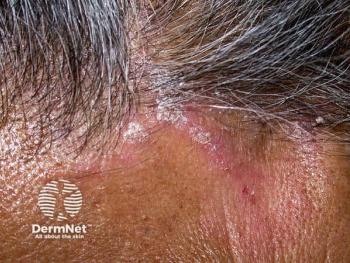
At 2 years, 70% of patients on oral icotrokinra for scalp, genital, or hand/foot psoriasis had clear or almost clear skin, with no new safety signals.
At 2 years, 70% of patients on oral icotrokinra for scalp, genital, or hand/foot psoriasis had clear or almost clear skin, with no new safety signals.

Phase 3 LATITUDE Atlas data presented at EADV 2026 showed higher rates of complete and near-complete skin clearance with zasocitinib compared with deucravacitinib.

Day 2 of EADV 2026 highlighted new findings involving GLP-1–associated nail changes, long-term atopic dermatitis control, emerging therapies, alopecia, and hidradenitis suppurativa.
Phase 2b SPOTLIGHT-204 results presented at EADV 2026 showed complete clinical and pathological responses in more than half of patients with high-risk head and neck basal cell carcinoma.
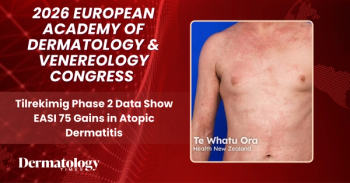
According to data presented at EADV, at week 16 of the phase 2 study, 47.8% to 62.5% of adults receiving tilrekimig achieved EASI 75 across doses, compared with 9.1% to 19.9% with placebo.

AbbVie reports F-VASI 75 of 55.1% in Viti-Up-1 and 47.4% in Viti-Up-2 at week 76 among patients continuing upadacitinib, with numerically higher responses alongside NB-UVB.

Real-world EADV 2026 data suggest autonomous AI could increase dermatology capacity while maintaining high sensitivity for invasive skin cancers.
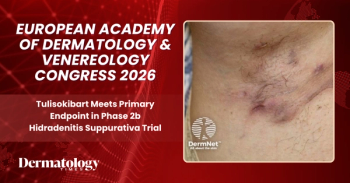
Up to 72% of tulisokibart-treated patients achieved HiSCR50 at week 16 vs 35% with placebo, the first positive phase 2 anti-TL1A data in dermatology.
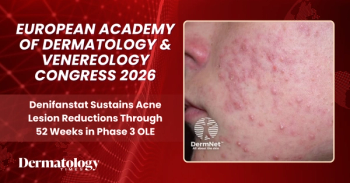
Treatment success reached 56.7% and total lesions fell 71.8% with up to 52 weeks of oral denifanstat, with no adverse event-related discontinuations.
New phase 2 data presented at EADV 2026 demonstrated significant improvements in disease activity with daxdilimab, with responses emerging as early as week 4.
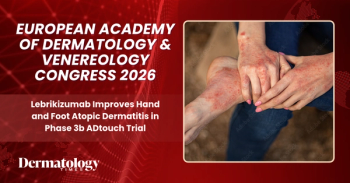
Late-breaking EADV 2026 data showed significant improvements in skin clearance, itch, pain, and patient satisfaction among patients treated with lebrikizumab.

Day 1 of EADV 2026 brought new data across atopic dermatitis, cutaneous lupus, skin cancer, AI, climate-related skin disease, and more.
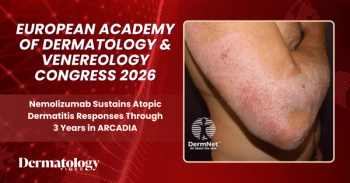
Up to 91% of patients reached EASI-75 and up to 67% reached IGA 0/1 at week 152, with no new safety signals, according to Galderma's EADV 2026 data.

Two studies presented at EADV 2026 highlight misinformation and dermatologic complications linked to viral skincare routines on social media.
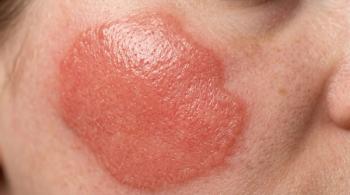
Phase 2 data presented at EADV 2026 showed daxdilimab significantly reduced disease activity and improved response rates in treatment-refractory DLE.
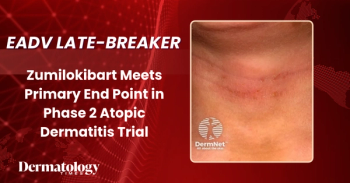
Presented as a late breaker at EADV 2026, mid-dose zumilokibart achieved EASI-75 in 65.9% of adults with atopic dermatitis vs 23.4% with placebo at week 16.
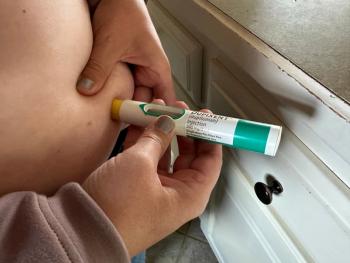
EADV 2026 data highlight dupilumab’s effects on growth, quality of life, disease control, and itch across multiple dermatologic diseases.
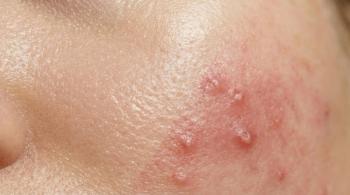
Alexandra Charrow, MD, discussed biologic selection, deroofing, and emerging procedural approaches to hidradenitis suppurativa at Maui Derm NP+PA Fall 2026.
Maui Derm NP+PA Fall 2026 brought APPs together for updates spanning inflammatory disease, oncology, emerging therapies, and diagnostic challenges.

Dermatology Times previews the research, clinical updates, late-breaking data, and therapeutic advances to watch at EADV 2026 in Vienna.
Day 2 explored infectious disease, challenging diagnoses, GLP-1s in psoriasis, and evolving approaches to inflammatory skin disease.
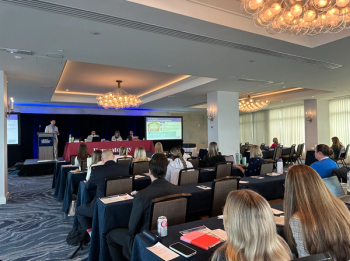
From prevention and early detection to immunotherapy and radiation, revisit key takeaways from the Cutaneous Oncology Workshop.
Day 1 of Maui Derm NP+PA Fall 2026 highlighted emerging therapies, cutaneous oncology, challenging dermatitis cases, and procedural pearls.
Maui Derm NP+PA Fall 2026 brings dermatology NPs and PAs together for clinical updates, interactive cases, and practical treatment discussions.
Faculty from the Cutaneous Oncology Workshop answer practical questions spanning skin cancer prevention, diagnosis, treatment, and follow-up.
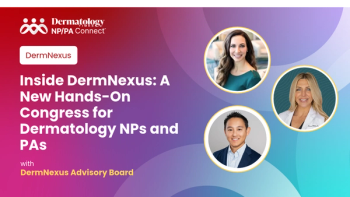
Dermatology Times and Physicians' Education Resource will host DermNexus Congress, a two-day CME program for nurse practitioners and physician assistants, November 20–21 in Scottsdale, Arizona.
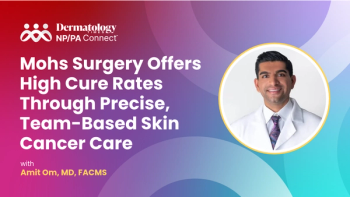
Amit Om, MD, discussed Mohs surgery, its high cure rates, patient education, and the importance of collaboration across dermatology care teams.
The inaugural workshop explored skin cancer care from prevention and diagnosis through systemic therapy, radiation, and multidisciplinary management.
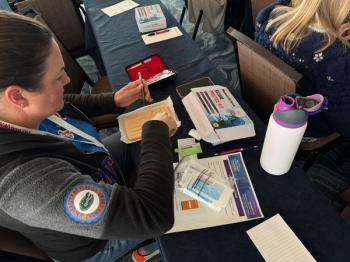
The final session of the Cutaneous Oncology Workshop explored advances in systemic therapy, management of immunotherapy-related skin reactions, and the role of radiation.
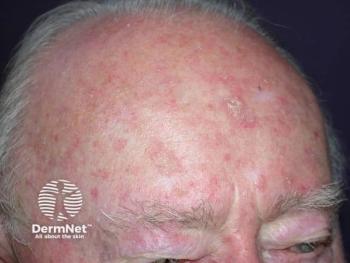
At the Dermatology Times NP/PA Cutaneous Oncology Workshop in Tampa, Florida, Amit Om, MD, outlined why field-directed therapy is increasingly favored over lesion-directed treatment for actinic keratosis.