

At Fall Clinical 2026, Shannon Trotter, DO, reviews locally advanced and metastatic cutaneous squamous cell carcinoma, immune checkpoint inhibitors, and proposed Medicare cuts affecting skin cancer care.
At Fall Clinical 2026, Shannon Trotter, DO, reviews locally advanced and metastatic cutaneous squamous cell carcinoma, immune checkpoint inhibitors, and proposed Medicare cuts affecting skin cancer care.
Patients with plaque psoriasis treated with roflumilast cream or foam reported greater improvements in sexual function and relationships vs vehicle, including those with genital involvement at baseline.
Christopher Bunick, MD, PhD, presented long-term safety data for JAK inhibitors upadacitinib and abrocitinib in atopic dermatitis at Fall Clinical 2026.

Jennifer Hsiao, MD, explains how defining HS treatment response improves adherence and success.
The second day of Fall Clinical 2026 brought new psoriasis data on ixekizumab plus tirzepatide and 2-year icotrokinra results, along with 3-year nemolizumab findings, upadacitinib switch data, and expert guidance on choosing a biologic in atopic dermatitis.
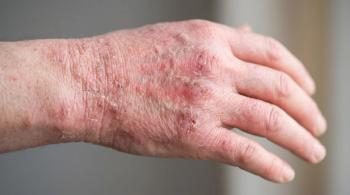
No skin lesion flares were observed through 16 weeks after switching from dupilumab to upadacitinib; itch flares occurred in 3.6% to 4.8% of patients with baseline WP-NRS scores of 6 or lower.
At Fall Clinical 2026, Raj Chovatiya, MD, PhD, MSCI, urged clinicians to understand the data and consider systemic therapy in atopic dermatitis.

Three-year ARCADIA LTE data show sustained skin clearance and itch control with nemolizumab in moderate-to-severe atopic dermatitis.
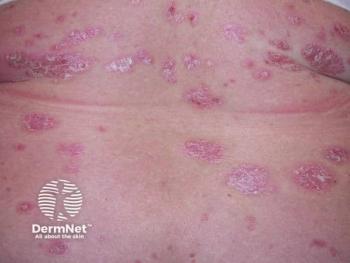
At week 112, at least 72% of patients on icotrokinra held PASI 90 and at least 44% held PASI 100, with no new safety signals reported.

Shannon Trotter, DO, discusses augmented intelligence in skin cancer detection, the approval of remibrutinib for symptomatic dermatographism, and her patient education podcast.

Upadacitinib showed broader inflammatory effects and earlier skin barrier restoration than dupilumab in atopic dermatitis.

The 4-day CME meeting in Las Vegas offers up to 24.25 credits and sessions on inflammatory skin disease, skin cancer, pediatric dermatology, aesthetics, and more.

A biopsy-based analysis from the JADE MOA trial presented at EADV 2026 found reductions in pathogenic skin-resident memory T cells alongside restoration of epidermal barrier integrity.

Andrew Blauvelt, MD, MBA, discusses how to interpret head-to-head, indirect, and long-term efficacy data for emerging oral psoriasis therapies.

New exploratory findings on disease duration and tunnel outcomes offer a starting point for conversations about comprehensive hidradenitis suppurativa care.
Explore dermatology conferences and meetings taking place this October, including clinical updates, skin of color education, and pediatric dermatology research.

From next-generation oral therapies and long-term disease control to precision medicine, EADV 2026 highlighted a dermatology landscape increasingly focused on deeper, durable, and individualized outcomes.

The final day of EADV 2026 explored precision medicine, molecular profiling, atopic dermatitis research, real-world evidence, and emerging approaches to individualized dermatologic care.

New EADV 2026 data highlighted real-world outcomes in adults with chronic hand eczema and improvements in itch, pain, and quality of life among adolescents treated with delgocitinib cream.
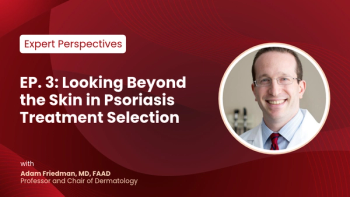
Adam Friedman, MD, discusses PsA screening, comorbidities, early systemic intervention, and individualized oral therapy selection in psoriasis.

Day 3 of EADV 2026 featured long-term psoriasis data, advances in hidradenitis suppurativa, evolving approaches to atopic dermatitis, and late-breaking research.

Seven presentations will highlight phase 3 maintenance and induction findings, 3-year phase 2 data, and preclinical research evaluating obefazimod in ulcerative colitis.
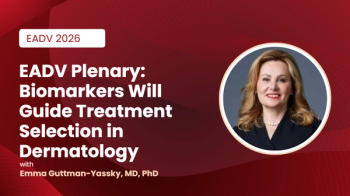
Emma Guttman-Yassky, MD, PhD, explains how biomarkers could match patients with inflammatory skin diseases to the right therapy.
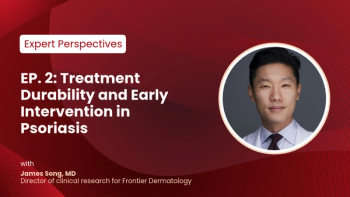
James Song, MD, discusses treatment durability, early intervention, and interpreting long-term clinical trial data in psoriasis.
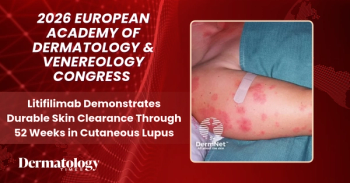
Updated phase 2 results from the AMETHYST study showed continued improvements in skin disease activity through 52 weeks, with more than one-quarter of patients achieving clear or almost clear skin.
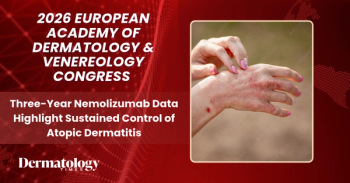
Christophe Piketty, MD, PhD, discussed 3-year findings from the ARCADIA long-term extension study and the implications of targeting IL-31 in atopic dermatitis.
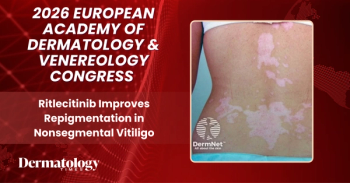
In TRANQUILLO 2, 21.86% of patients taking ritlecitinib 100 mg achieved F-VASI75 at week 52 vs 2.40% with placebo, according to data presented at EADV 2026.
Phase 2b REZOLVE-AA data presented at EADV 2026 showed sustained and deepening hair regrowth following treatment cessation.

Michael Payette, MD, discusses systemic psoriasis treatment, patient selection, special-site disease, and shared decision-making.
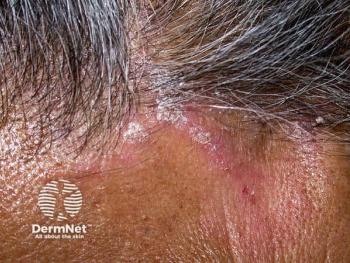
At 2 years, 70% of patients on oral icotrokinra for scalp, genital, or hand/foot psoriasis had clear or almost clear skin, with no new safety signals.