


Around 800 rare skin diseases affect 6.8 million people worldwide, including epidermolysis bullosa, generalized pustular psoriasis, ichthyosis, and erythropoietic protoporphyria.
Around 800 rare skin diseases affect 6.8 million people worldwide, including epidermolysis bullosa, generalized pustular psoriasis, ichthyosis, and erythropoietic protoporphyria.
At the 2026 South Beach Symposium, Joel Claveau, MD, emphasized that accurate early diagnosis and proper staging are the cornerstones of effective melanoma management.

Todd Schlesinger, MD, highlights data supporting red light–activated PDT with 10% ALA gel for superficial basal cell carcinoma, discussing structured treatment protocols and manageable tolerability.

A new US consensus clarifies chronic hand eczema (CHE) diagnosis and stepwise care, highlighting FDA-approved treatment and patient-reported outcomes.
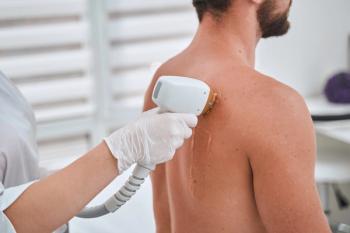
Investigators reported consistent clinical improvement following twice-weekly excimer laser treatments.
Misha Rosenbach, MD, discussed the burden of cutaneous sarcoidosis (CS) and how emerging therapies like brepocitinib could fill this clinical need.

NIH Sister Study ties hair straightener use to higher pancreatic and thyroid cancer risk, but experts say methods limit certainty.

Ayman Grada, MD, highlighted the gap between dermatology’s expertise in skin biology and its limited involvement in chronic wound care delivery.
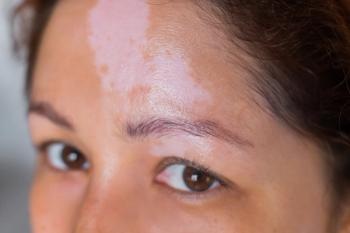
Real-world data from Saudi Arabia show vitiligo combination therapy with narrowband UVB or Janus kinase inhibitors drives steeper VASI improvement than monotherapy.
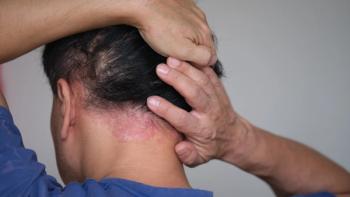
Real-world data on psoriasis super responders show that risankizumab drives complete skin clearance for up to 2.5 years.

Targeting IL-4 and IL-13 signaling with dupilumab has demonstrated significant reductions in total and food-specific IgE in pediatric AD populations.
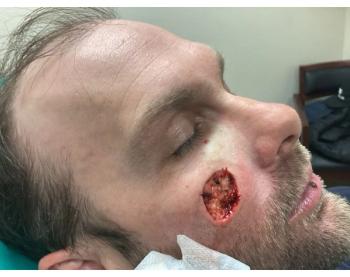

Put your dermatology expertise to the test with Dermatology Times’ interactive quiz series!

Explore the top headlines of the week, including insights on the latest clinical trials, therapeutic updates, and more.

In case you missed it, this week we had news on Biofrontera’s sNDA for Ameluz PDT in superficial BCC, 52-week data on rezpegaldesleukin for AD, the FDA's latest iPLEDGE REMS updates, and more.

This week, we feature top articles from our sister publications on regulatory updates, clinical trial insights, and more.

PDPA’s 2025 survey, led by president Jamie Restivo, PA-C, reveals dermatology PA pay trends, productivity bonuses, benefits gaps, and satisfaction drivers shaping retention.
Highlighting conditions like lichen planus, which has no FDA-approved treatments, Lio underscores why clinicians must be comfortable prescribing beyond the label.

As we celebrate Valentine's Day, Mona Shahriari, MD, FAAD; Neal Bhatia, MD; Peter Lio, MD; Lisa Swanson, MD; Lawrence Schachner, MD; Julie Karen, MD; and Glynis Ablon, MD, FAAD, share why they love dermatology.

Investigators identified overlap between the blood immune profiles of patients with depression and inflammatory skin diseases, highlighting the Th2 axis as a potential treatment target.
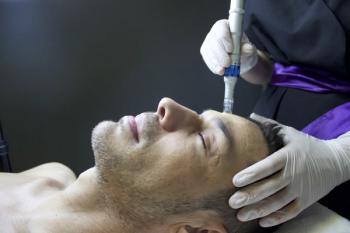
Des Fernandes, MBBCh, FRCS (Edin), pioneered microneedling as a safe skin regeneration therapy, demonstrating collagen gains and improved scars when paired with vitamins A and C.
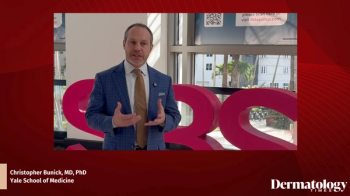
The 2026 meeting emphasized integrating cutting-edge medical therapies with aesthetic strategies to address both disease control and quality of life.

LILAC data shows litifilimab rapidly improves CLE skin scores, fueling AMETHYST phase 3 and supporting FDA breakthrough for cutaneous lupus patients.
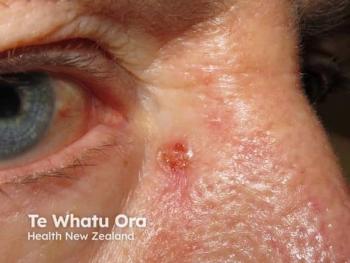
The FDA has accepted Biofrontera’s supplemental new drug application seeking approval of Ameluz photodynamic therapy for superficial basal cell carcinoma (sBCC), with a decision expected by September 28, 2026.

Advances in stem cells, exosomes, biomaterials, and RNA technologies are expanding therapeutic options beyond traditional wound-based remodeling.

At a recent IMCAS symposium with Merz Aesthetics, Bianca Viscomi, MD, revealed how menopause and skin collide through collagen loss, confidence dips, and multimodal fixes.
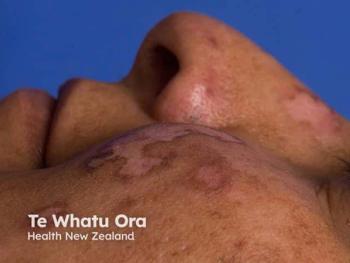
This issue highlights clinical insights relevant to inflammatory conditions in diverse populations, emphasizing practical strategies for everyday practice.
Todd Schlesinger, MD, reviews emerging randomized trial data supporting red light–activated photodynamic therapy with 10% aminolevulinic acid gel and outlines key considerations for patient selection in superficial basal cell carcinoma (sBCC).
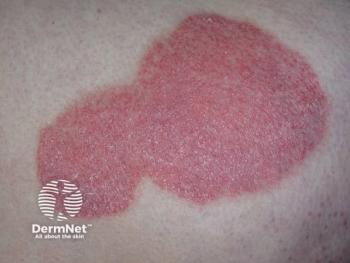
DISCREET phase 3 research shows oral apremilast eases genital psoriasis symptoms, improving itch, clearance, and sexual quality of life through 32 weeks.
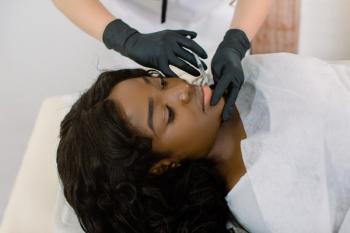
Cheri Frey, MD, shares skin of color anti-aging strategies—pigment-first planning, safer lasers/peels, and techniques to prevent PIH.