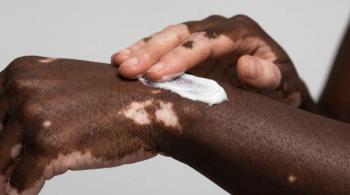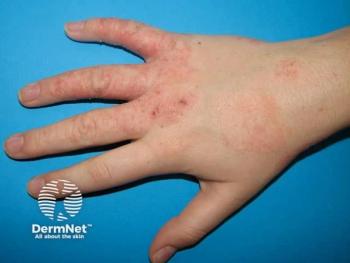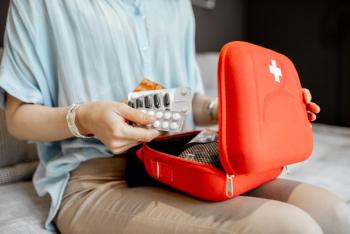
An HS toolbox with wound care, symptom relief, and personal care supplies can help patients stay prepared for unexpected flares.
The weight of invisible psychiatric comorbidity of
Psychiatric Issues and Comorbidities
The psychosocial toll of HS is significant, with patients experiencing years of medica-related trauma and maladaptive behaviors, Delgado shared1,2. Research shows that up to 42% of patients with HS experience depression and anxiety, which is compared to a 5% to 8% prevalence in the general population, she said. Patients with HS are also more likely to have other serious mental disorders. Delgado noted an almost 2-fold risk (odds ratio [OR] = 1.96) for bipolar disorder as well as a schizophrenia (OR – 1.66). Research also noted that patients use alcohol and cannabis as a form of self-medication to address the pain and isolation resulting from HS. Patients with HS are also at an elevated risk for suicidal ideation and completion, with female patients being particularly impacted.
A deeper understanding of the
Biologically, this loop is connected to
“A patient’s withdrawal or flat affect is not just a ‘poor attitude’,” Delgado said. “It is a direct neurological consequence of their systemic inflammation.”
Employing a Psychedelics-Informed Facilitator Approach
After working on psychedelic research, Delgado was inspired to translate the ideals of psychedelic-assisted therapy for the everyday patient encounter. Essentially, that moves away from a traditional a fix-it authority (ie, “as an educated clinician we know what’s best for you and your body”) to a collaborative facilitator ready that acknowledges the
Principle 1. Empathetic Abiding Presence. Delgado noted the importance of checking-in with patients. In a busy clinic, it can be easy to fall to the rapid-fire questions and immediate problem-solving, she said. Instead, she encouraged attendees to slow down and check in with the patient, asking, “How does this land with you?” and similar questions. Be a witness to their mental state and allow the patient’s distress to exist safely in the room. She advocated for being a grounding presence. In psychedelic work, this is known as the “set and setting” principle, she said.
Principle 2. Nonjudgmental Curiosity. Because HS patients often feel shame related to the odor, weight issues, and lesion locations, it is important to take a mindfulness-based approach to inquiry. “Standard medical questioning can feel like a moral judgement to a traumatized patient, increasing the instinct to hide symptoms,” Delgado said. Instead, clinicians should focus on neutral, open-ended questions to lead to better understanding. “Ask what the patient has tried, how they feel, and what their intuition tells them to build the therapeutic alliance,” she said.
Principle 3. The Inner Healing Intelligence. Patients should feel empowered that they can have a real impact on their health, Delgado said. She emphasized it is important for the patient to feel connected to their treatment plan and have a strong belief that it can help. Studies of placebo effect show strong influence, she added, that can be leveraged. Whenever appropriate, clinicians should celebrate improvement and help patients feel more confident with treatments. She spoke about the principle of entelechy, or “the belief that the patient’s psyche and body have an innate, orderly capacity to move toward healing when provided the right environment.”
References
1.Delgado P. Rethinking hidradenitis suppurativa through a psychodermatological model. Presented at the 34th Annual Meeting of the Association for Psychoneurocutaneous Medicine of North America; March 26, 2026; Denver, Colorado.
2. Đurinec P, Bukvić Mokos Z, Marinović B.