Two-year oral IL-23 data, GLP-1 biomarker findings, and a nonsurgical option for superficial basal cell carcinoma headline the sessions covered in Las Vegas.
Nicholas Brownstone, MD, and other experts spotlighted cytokine hubs at the 2026 Winter Clinical Miami conference, linking chronic spontaneous urticaria and psoriasis/psoriatic arthritis to smarter targeted treatment choices.
The cytokine-hub model emphasizes that diseases affecting different organs may be mechanistically closer than once believed, whereas disorders within the same organ system may diverge at the molecular level. For example, PsO and PsA share IL-23/IL-17–centered pathways, supporting the concept of a unified “psoriatic disease,” whereas rheumatoid arthritis is more tightly linked to IL-6 signaling. In inflammatory bowel disease (IBD), IL-23 serves as a central hub, even as IL-17 inhibition may worsen gut inflammation, underscoring how cytokine effects are tissue-dependent. TNF-α, one of the earliest targeted cytokines, functions as a common downstream effector across multiple IMIDs, but differential responses to specific TNF inhibitors underscore important biologic nuances.
The paper further highlights how genetic susceptibility loci, barrier dysfunction, microbial triggers, and mechanoinflammatory stress converge on these cytokine networks, shaping disease expression across the skin, joints, and gut. Brownstone noted that this mechanistic framework has direct therapeutic implications in an era of rapidly expanding targeted agents and Janus kinase (JAK) inhibitors, which modulate multiple cytokine pathways. Rather than viewing comorbidities as separate diseases, clinicians are encouraged to recognize shared immunologic circuitry and anticipate systemic associations.
The session extended beyond dermatology to include perspectives from gastroenterology, allergy/immunology, and rheumatology, with faculty offering practical pearls on comorbid arthritis, chronic spontaneous urticaria (CSU), and IBD. In “An Allergist’s Approach to CSU” and “A Rheumatologist’s Approach to PsO/PsA,” Allen Kaplan, MD, and Grace C. Wright, MD, PhD, highlighted the evolving understanding and management of CSU and psoriatic disease.
Kaplan began by clarifying nomenclature: CSU has replaced idiopathic urticaria, reflecting greater insight into pathogenesis. Pruritus in CSU is localized to the hive itself rather than generalized. Angioedema accompanies CSU in up to 40% of patients, commonly affecting the lips, eyelids, hands, or feet. Importantly, he emphasized that histamine-mediated angioedema in CSU does not confer a meaningful risk of asphyxiation, in contrast to bradykinin-mediated angioedema such as hereditary angioedema or ACE inhibitor–associated events.
Pathophysiologically, CSU is increasingly recognized as an autoimmune disorder. A substantial subset of patients harbor IgG autoantibodies directed against the high-affinity IgE receptor (FcεRI). These antibodies cross-link unoccupied receptors on cutaneous mast cells, triggering degranulation. Complement activation—particularly C5a—amplifies mast cell and basophil activation, whereas endothelial cell activation promotes vascular permeability and perivascular inflammatory infiltrates rich in eosinophils, monocytes, and Th2-skewed T cells. Comorbidities include autoimmune thyroid disease (with antithyroid antibodies present in approximately 25% of patients), type 1 diabetes, and vitiligo.
Routine evaluation should remain focused. A complete blood count with differential may reveal basopenia in severe disease; erythrocyte sedimentation rate and C-reactive protein are typically normal or minimally elevated and help exclude alternative inflammatory conditions. Extensive testing is rarely necessary in the absence of a suggestive history.
Therapeutically, second-generation H1 antihistamines remain first line, dosed up to 4-fold the standard dose. Cyclosporine, though effective, carries risks of hypertension and nephrotoxicity and is increasingly viewed as a later-line option. Emerging therapies are poised to reshape the treatment algorithm. Bruton tyrosine kinase inhibitors directly inhibit mast cell activation regardless of trigger, offering a rational oral option with favorable tolerability to date. Dupilumab, by blocking IL-4 and IL-13 signaling, reduces Th2 inflammation and IgE synthesis and has demonstrated meaningful efficacy in CSU.
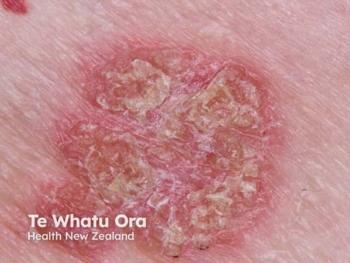
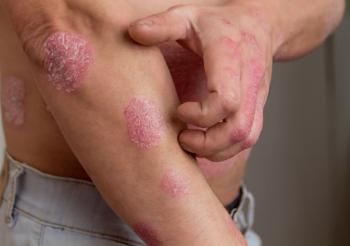
Wright reframed PsO and PsA as manifestations of a unified, multisystem “psoriatic disease.” Inflammatory articular disease is the entry criterion for classification. Hallmarks include joint swelling, tenderness, prolonged morning stiffness, and improvement with activity rather than rest. The Classification for Psoriatic Arthritis (CASPAR) criteria assign points for current psoriasis (weighted most heavily), personal or family history, dactylitis, nail dystrophy, rheumatoid factor negativity, and radiographic evidence of juxta-articular new bone formation.
Risk factors for PsA include greater PsA severity, nail involvement, family history, and obesity. Adipose tissue–derived inflammatory mediators and mechanical stress at the enthesis may contribute to pathogenesis. Comorbidities are integral to disease expression: Cardiovascular disease, metabolic syndrome, IBD, uveitis, depression, and nonalcoholic fatty liver disease are not sequelae but components of systemic inflammation.
Immunologically, psoriatic disease reflects coordinated innate and adaptive immune activation, with central roles for TNF-α, IL-17, IL-23, and related cytokines. Domain-based treatment is therefore essential. Peripheral arthritis, axial disease, enthesitis, dactylitis, skin, nails, uveitis, and IBD may respond differently to targeted agents.
TNF inhibitors and IL-17 and IL-23 inhibitors demonstrate broad efficacy across multiple domains, whereas methotrexate has limited utility in axial disease. JAK inhibitors provide oral options but require careful cardiovascular and malignancy risk stratification, particularly in older patients and those with a smoking history. Wright emphasized electing agents based not only on dominant disease domain but also on comorbidity profile, safety considerations, route of administration, and patient preference.
References
1. Brownstone N, Lebwohl M. Practical immunology: a multidisciplinary approach. Presented at: 2026 Winter Clinical Miami; February 27-March 1, 2026; Aventura, FL.
2. Schett G, McInnes IB, Neurath MF. Reframing immune-mediated inflammatory diseases through signature cytokine hubs. N Engl J Med. 2021;385(7):628-639. doi:10.1056/NEJMra1909094