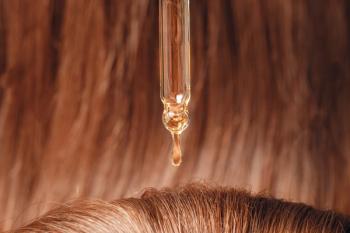
Castor oil has become a popular social media remedy for thicker, longer hair, but evidence supporting its ability to stimulate hair growth remains limited.
Twin experts reveal how dermatology and dentistry team up for facial aesthetics, early lesion detection, and safer care—from lasers to oral screenings.
Welcome back to the
In this episode, Amy Spizuoco, DO, FAOCD, and her identical twin sister, Stacy Spizuoco, DDS, explore the clinical overlap and collaborative opportunities between dermatology and dentistry, offering a unique interdisciplinary perspective shaped by their shared patient population in New York City. Despite distinct training pathways—dermatology encompassing medical, surgical, and dermatopathologic expertise, and dentistry focusing on restorative and aesthetic oral care—the discussion highlights how both specialties converge in areas of facial aesthetics, disease recognition, and preventive medicine.
A central theme was the integration of care for patients seeking both cosmetic and medical improvements. The sisters describe how patients frequently pursue concurrent treatments, such as dental whitening or veneers, alongside dermatologic procedures like laser therapies, injectables, and skin rejuvenation. This coordinated “whiten and tighten” approach, as they call it, allows for comprehensive “facial harmony,” in which oral and cutaneous aesthetics are addressed simultaneously to optimize patient outcomes.
Clinically, the conversation underscores the importance of cross-referral and shared diagnostic insight. Dentists may identify suspicious oral lesions during routine examinations and refer patients for dermatologic evaluation and biopsy, while dermatologists may encounter mucosal or perioral conditions that warrant dental assessment. Conditions such as lichen planus, angular cheilitis, and periorificial dermatitis exemplify the interface between the fields, often requiring dual management to address both underlying and surface manifestations.
The discussion also emphasizes preventive care as a shared priority. Dermatologists focus on skin cancer screening and management of sun damage, while dentists play a critical role in preventing caries, periodontal disease, and oral pathology. The bidirectional referral pattern—“a cleaning and a screening”—illustrates how integrated care can enhance early detection and overall patient health.
Importantly, medication-related effects further highlight this intersection. Systemic dermatologic therapies, such as isotretinoin, can significantly reduce salivary flow, increasing the risk of dental complications, including caries and periodontal disease. Awareness of these effects enables more coordinated management and patient counseling.
Finally, the Spizuoco sisters contrasted procedural environments and patient experiences, noting differences in anxiety levels, physical positioning, and technical demands, while emphasizing a shared reliance on precision and attention to detail. Overall, this discussion illustrates the growing value of interdisciplinary collaboration in delivering holistic, patient-centered care that bridges dermatology and dentistry.
Like this podcast, have suggestions, or want to participate in future episodes? Contact our team at