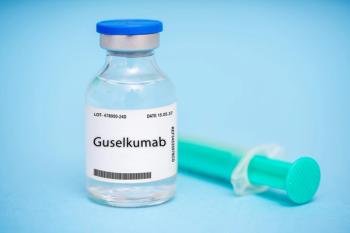
Both barzolvolimab doses improved UAS7 at week 12 in EMBARQ-CSU1 and EMBARQ-CSU2, with up to 54% of patients reaching complete response by week 24.
A study shows physician counseling boosts safe adherence and curbs misinformation-driven decisions, as pregnant women often stop skin treatments and experience worsened symptoms.
A new cross-sectional study provides important insights into the management of dermatological diseases during pregnancy, with particular relevance for conditions such as urticaria, where symptom fluctuation, treatment safety concerns, and patient-driven decision-making can significantly impact disease control.1 Conducted at Aarhus University Hospital in Denmark, the study evaluated disease prevalence, treatment patterns, and the role of physician counseling among 273 pregnant women, highlighting substantial gaps in care and communication.
Overall, one-third of participants (33.7%) reported an active dermatological condition within the year prior to pregnancy confirmation. The most common conditions were atopic dermatitis (11%), acne (9.2%), and hand eczema (7.3%), while urticaria was reported by 4.0% of participants. Although less prevalent, urticaria is clinically significant in pregnancy due to its potential for acute flares, pruritus, and impact on quality of life, often necessitating antihistamine use or other systemic therapies that may raise safety concerns among patients.
More than half of women with skin disease experienced worsening of symptoms during pregnancy. This aligns with known immunological and hormonal shifts that can exacerbate inflammatory and hypersensitivity-driven conditions, including urticaria.2 Despite this high rate of disease activity, only 24% of affected women sought medical consultation, indicating a substantial gap in dermatologic care during pregnancy.
Treatment discontinuation emerged as a central issue in the research. Following pregnancy confirmation, 57.6% of women stopped their dermatologic treatment, with the majority (81.1%) doing so without consulting a healthcare professional. Among patients with urticaria, discontinuation rates were particularly high at 75%, placing this group among those most likely to interrupt therapy. Given that urticaria is commonly managed with antihistamines—many of which have established safety profiles in pregnancy—this finding suggests that discontinuation is often driven more by perceived risk than by evidence-based guidance.
Importantly, treatment discontinuation was associated with negative clinical consequences. Among those who stopped therapy, more than half (54.7%) experienced worsening of their skin disease. Uncontrolled disease can lead to persistent pruritus, sleep disturbance, and reduced quality of life. In some cases, psychological stress may also increase, which has been associated with adverse pregnancy outcomes.
Physician counseling was identified as a critical protective factor against treatment discontinuation. Women who consulted a health care professional were significantly more likely to continue treatment (relative risk 2.63) and had markedly reduced odds of discontinuing therapy (odds ratio 0.11). Notably, continuation of systemic treatments, including antihistamines, which are frequently used in urticaria, occurred exclusively among women who had received medical guidance. Patient concerns about treatment safety were widespread and appear to be a major driver of self-initiated discontinuation. Over one-third of participants expressed concern about prescription medications, with higher rates among those with skin disease. Concerns included potential teratogenic effects, endocrine disruption, and impacts on fetal development.
The study also highlights the prominent role of non-medical information sources. Half of the patients relied on online platforms, including social media, for guidance on skin care and treatment decisions, while only 13.2% consulted physicians. Even among women with skin disease, fewer than one-third sought medical advice. Although most women continued using emollients, a notable proportion expressed concerns about ingredient safety and altered their product choices during pregnancy. This reliance on potentially inconsistent or non-evidence-based information may contribute to heightened anxiety and inappropriate treatment decisions, particularly in conditions like urticaria, where management often requires ongoing adjustment.
In conclusion, this study reveals significant unmet needs in the management of dermatological diseases during pregnancy, with important implications for urticaria care. High rates of treatment discontinuation combined with frequent disease worsening highlight the consequences of inadequate guidance. For dermatologists, these findings emphasize the importance of early, proactive, and evidence-based communication regarding the safety and necessity of treatments such as antihistamines in urticaria.
“Addressing these gaps could support better treatment adherence, reduce stress, and ultimately improve maternal and fetal outcomes,” the authors wrote. “Future research should focus on developing tailored, patient-centered approaches to skincare guidance during pregnancy, ensuring that all women receive the support and information they need for informed decision-making.”1
References
1. Seeberg F, Frølunde A, Deleuran M, Kolding L, and Vestergaard C. “Managing Skin Diseases During Pregnancy: Treatment Discontinuation, Concerns and Physician Counselling,” JEADV Clinical Practice (2026): e70308. https://doi.org/10.1002/jvc2.70308.
2. Murase JE, Chan KK, Garite TJ, Cooper DM, Weinstein GD. Hormonal effect on psoriasis in pregnancy and post partum. Arch Dermatol. 2005;141(5):601-606. doi:10.1001/archderm.141.5.601