Dermatology’s growing focus on skin longevity demands clear definitions, validated outcomes, and rigorous evidence beyond anti-aging claims.
Despite declining skin care sales post-pandemic, fragrance products remain strong, prompting increased investment from cosmetic companies.
The sale of skin care products has been on a downward trend since the end of the pandemic. Skin product sales skyrocketed during this time as people sheltered at home and are now reaching a more stable equilibrium, but this is not the case with fragrance products. The sale of expensive perfumes continues to be strong leading many cosmetic companies to purchase fragrance companies to broaden their portfolio or to develop new fragrance lines, usually around a concept and a celebrity spokesperson that embodies the concept. Fragrance is typically the most expensive ingredient in any scented formulation.
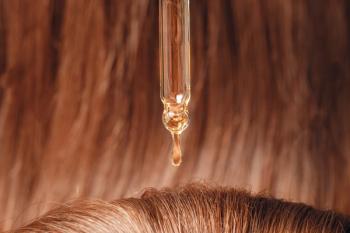
Dermatologists do not think much about fragrance beyond contact dermatitis and perhaps have the belief that fragrance is bad and should be avoided at all cost, especially in patients with sensitive skin. Fragrance is found in skin care products in many cases to cover up the unpleasant smell of the ingredients required for product functioning. Shampoos are a prime example. A dermatologist recommended brand launched a shampoo that was without fragrance and it sold very poorly until it was relaunched with a delicate fragrance. No matter what dermatologists think of fragrance, consumers want to smell nice. Shampoo is considered a rinse off product meaning that it remains in contact with the scalp skin for a very brief period, usually less than 2 minutes. This short contact reduces the chance for contact dermatitis, which is clearly much less than if a perfume for all day wear was applied to the neck.
Clinicians may need to think further regarding fragrance issues. In the past, fragrances were derived from natural components of animal or plant origin. Flower petals were collected and distilled to obtain fragrances such as geranium, lavender, rose, and orange blossom. Fruit peelings were squeezed to express the oil for lemon, lime and other citrus scents. There are 2000 different plant materials that have been used in fragrances of the past. At present, these naturally derived fragrances are all produced synthetically. This has several advantages.
First, chemical synthesis of the fragrance prevents the plant material from being over harvested and is mindful of environmental sustainability. Second, it decreases the cost of the scent, as thousands of flower petals must be processed to produce a vial of perfume. Third, it allows the synthesis of only the pure scent material. The average natural plant fragrance material contains over 300 substances, some of which may be allergenic and others without problem. Chemical synthesis increases purity decreasing the chance of allergenicity. Hypoallergenic fragrances are now largely used in products labeled for sensitive skin. These fragrances have been developed without known allergenic ingredients and use totally synthetic materials. They are much safer than fragrances of old and represent a tremendous step forward in fragrance safety.
While the fragrances are not non-allergenic, their increased safety should be recognized by clinicians. Smell appears to be a very important part of the human experience. The olfactory lobe of the brain is one of the oldest areas and is linked to the limbic system, responsible for emotion. It is recognized that different fragrances trigger different brain areas. It is amazing that 2% of the human genome codes for odor receptor proteins and there are approximately 1000 odor receptor genes. Humans can distinguish between about 10,000 odors. Fragrances are constructed to activate the brain by combining scents with different characteristics.
The first smell from a fragrance is known as the top note, which is a rapidly evaporating oil whose smell is discernible when the bottle is opened, but disappears shortly after skin application. The middle note is the smell of the dried fragrance on the skin. Finally, the end note is the fragrance that is released from the skin surface into the environment over time. Fragrances can also be encapsulated for time release using triggers such as skin pH, temperature, or sweating. The microspheres are 100-400nm in diameter. There is no doubt that the world of fragrance is exploding with new methods for developing scents, modern ingredient manufacturing techniques, and increasing use of fragrances by consumers. Dermatologists need to understand and be part of the fragrance world!