Several dermatologists go over what they're most excited about to see in 2017 in a number of different topics ranging from AD treatment to off-label technology use, to more male patients.

Several dermatologists go over what they're most excited about to see in 2017 in a number of different topics ranging from AD treatment to off-label technology use, to more male patients.

The National Psoriasis Foundation has recently published psoriasis treatment goals, which will help physicians and patients discuss treatment options and set expectations for outcomes.

In 2016, Dermatology Times, in partnership with VisualDx, quizzed you on a number of different skin disease diagnoses. From morphea to poikiloderma of civatte to livedo reticularis, we’ve shown cases that have stumped the most experienced dermatologists.Here are the three most-puzzling quizzes of 2016.

In this month's Clinical Considerations, we take a look at AD and bullying, whether or not derms are doing enough for psoriasis patients, and the potential of Epicutaneous immunotherapy.

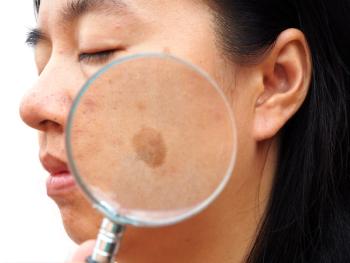
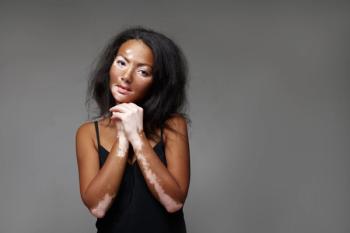
Energy-based treatments can be used on their own or in conjunction with medical treatments to address chronic dermatological conditions like melasma, acne, and vitiligo.

This year has seen many advancements in skin cancer including progress made in research, awareness, and prevention. These are the top 5 skin cancer of 2016 from Dermatology Times.

It is possible to apply wetting solution drops without damaging eye cosmetics. The best method is to stand upright and pull out the lower eyelid to form a space to place the drops.

Contact lenses are being worn by increasing numbers of females who also desire to wear cosmetics. This can be a challenge as cosmetics can cloud, discolor, and destroy the newer water-holding oxygen-permeable contact lenses.

It is important to completely remove eye cosmetics before going to bed as the cosmetics can cause eyelash issues. The cosmetics can plug the follicular ostia of the eyelashes causing increased demodex problems and worsening ocular rosacea.

Female contact lens wearers commonly wish to use mascara. Mascara is actually the biggest selling colored cosmetic, but can cause problems as it flakes into the eye

Zoe Diana Draelos, M.D., answered many cosmetic questions in 2016. These are her top-5 most-read Cosmetic Conundrums.

In 2016, we provided advice on a number of different legal issues ranging from informed consent issues, to off-label products, to whether or not you could lose your medical license for not paying your office rent. Here are the top 5 legal insight articles of 2016 from Dermatology Times.

A number of systemic and topical treatments for atopic dermatitis are being developed that feature novel mechanisms of action targeting the inflammatory axes involved in the disease.

This year has seen many advancements in pediatric dermatologic care spanning inflammatory conditions to skin cancer as well as the nuances of these conditions in skin of color patients. These are the top 5 pediatric articles of 2016 from Dermatology Times.

Dr. Norman Levine muses on an alternate universe in which he makes the rules for anything related to the dermatology specialty. After reading, he notes many may be relieved that he will never rule the (dermatology) world. But are changes necessary? You tell us.

One dermatologist describes his considerations for choosing a biologic to treat a patient with moderate-to-severe psoriasis, baseline assessments, and follow-up approach.

If a patient’s procedure uses a device that is not FDA-approved, or is FDA-approved for another purpose, or is experimental, must the patient be so advised by the physician to provide appropriate informed consent? Courts have wrestled with this matter in a number of legal opinions.

Researchers have identified the skin phenotype of pediatric atopic dermatitis (AD) - a finding that challenges the notion of filaggrin's central role in the disease.

The New Year is a time during which most of us celebrate the idea of fresh starts. It’s also a time of reflection. In the spirit of this New Year, Dermatology Times asked several top dermatologists to ponder their legacies.

A recent survey asking dermatologists to visually determine whether clinical photos are or aren’t fungal infections suggests visual inspection might not be enough for accurate diagnoses.

Exciting research is likely to change treatment for children. Dr. Eichenfield discusses advancements in treating this population.

New data suggests positive safety and efficacy profile. Further studies need to assess long-term use.

Direct sequencing data, together with culture data, supplies researchers with information about communities of bacteria and fungi on the skin.

Fractioned laser systems for skin resurfacing can be separated into four categories and there are benefits to each type depending on the type of patient being treated.

The incidence of melanoma appears to be on the rise except for that observed in the younger population, underscoring a positive trend and hope for the fight against skin cancer.

The AMA has emphasized a need for drug pricing transparency by encouraging patients to share their stories on its TruthinRx.org website.

In this month's Clinical Considerations, we take a look at a few specific disorders and how to properly diagnose and treat them in our patients.

Children with darker skin types have different presentations and concerns than Caucasians when it comes to pigmentation and hair issues. An expert reviews those differences and what dermatologists can do to help.

Dermatologists discuss the challenges of treating hypertrophic scars and how a treatment in early trials might make post-treatment recurrence less likely.

Dermatologists should proactively seek information about the use of certain systemic medications and their clinical application for skin disease management, an expert suggests.