

This week’s edition of The Mainstream Patient features stories on a cryotherapy hairbrush, how to treat comedones, humectants and lanolin for moisturization, plus more.
This week’s edition of The Mainstream Patient features stories on a cryotherapy hairbrush, how to treat comedones, humectants and lanolin for moisturization, plus more.

A glimpse at what to expect from Dermatology Times this week.
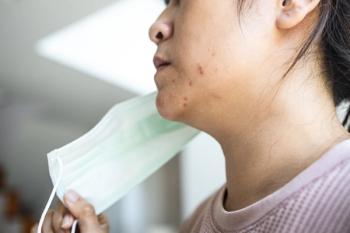
ICYMI, some of the content featured this week includes a new episode of our podcast discussing maskne, and stories on a lack of skin of color patients in psoriasis trials, how age influences choice of rosacea therapies, learning to navigate teledermatology during a pandemic, plus more.

An extensive literature review looks at the dermatoses that are connected to video game play.

Shingles (herpes zoster, or HZ) is more than just a skin manifestation. The condition is also commonly associated with hearing, vision, and balance problems among other symptoms.
This week’s edition of The Mainstream Patient features stories about an antibacterial bee by-product popping up in skincare, how sun damage presents itself on different skin types, tips on how to manage hormonal acne caused by menopause, plus more.
A glimpse at what to expect from Dermatology Times this week.
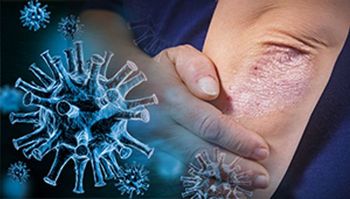
Ardon Health patients with autoimmune conditions have expressed common questions and concerns about COVID-19.
ICYMI, some of the content featured this week includes a maskne video series, dietary supplements linked acne development, surface radiotherapy for non-melanoma skin cancer, cosmetic procedure complications in dark skin types, plus more.

What’s more frightful than Halloween? What the makeup and costumes can do to children’s and adult’s skin. Dermatologists weigh in with their top tips to help patients avoid post-Halloween skin horrors.
The first and only atopic dermatitis conference, Revolutionizing Atopic Dermatitis (RAD), will be hosting its third event, in a virtual format.
This week’s edition of The Mainstream Patient features stories about castor oil, Botox for migraines, apple cider vinegar baths, formaldehyde in beauty products, plus more.

Ivermectin 0.5% lotion (Sklice, Arbor Pharmaceuticals) is now approved by the U.S. Food and Drug Administration (FDA) for nonprescription use to treat head lice.

A glimpse at what to expect from Dermatology Times this week.
ICYMI, some of the content featured this week includes a new episode of our podcast focusing on telemedicine use in dermatology, female representation within the dermatological surgery space, pulsed dye laser and botulinumtoxinA as a combination treatment for rosacea, plus more.
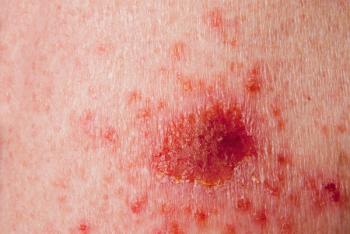
Promising outcomes are being reported from clinical trials investigating Nano-Pulse Stimulation technology to treat nodular basal cell carcinoma and cutaneous, non-genital warts.
Michael Sherling, M.D., practicing dermatologist and chief medical and strategy officer at Modernizing Medicine, discusses the recent rise in telemedicine use in dermatology, the benefits and detriments, as well as the future for the industry.
This week’s edition of The Mainstream Patient features stories about postpartum hair loss, vitamin C benefits, witch hazel, fraxel laser treatments, isotretinoin’s effect on both the skin and mind, oily skin myths, plus more.

A glimpse at what to expect from Dermatology Times this week.
ICYMI, some of the content featured this week includes new 730 nm picosecond laser for benign pigmented lesions, managing patient volumes during the COVID-19 pandemic, tips on how to build your brand as a physician, plus more.

Since the start of the pandemic, dermatologists have seen an average 50% drop in patient volume. While teledermatology has offered a channel for non-urgent patients and patient visits are rebounding, overall patient volumes are still significantly lower than 2019.

In the final installment of this video series, Paige Velasquez Budde, CEO of Zilker Media, provides some useful tips for jump starting your brand as a physician.

In part two of this video series, Paige Velasquez Budde, CEO of Zilker Media, reveals the benefits of shaping your brand awareness.

Catch up on all of the latest news coming out of the 2020 American Society for Dermatologic Surgery (ASDS) virtual meeting.

In this video interview, Paige Velasquez Budde, CEO of Zilker Media, explains the importance of building and shaping your brand as a physician.
This week’s edition of The Mainstream Patient features stories about a new toxic-free cosmetics bill in California, the benefits of benzoyl peroxide for acne, the legitimacy of collagen supplements, potential sunscreen changes by the FDA, plus more.

A glimpse at what to expect from Dermatology Times this week.


Dr. Jack Levy, chief resident in the Department of Dermatology at Emory University, discusses his recent presentation at the 2020 ASDS meeting about using high frequency ultrasound to distinguish scar tissue from neoplasm.
ICYMI, some of the content featured this week includes articles about abobotulinumtoxinA injections for oily forehead, promising therapies for blastic plasmacytoid dendritic cell neoplasm (BPDCN), the benefits of CBD for the skin, plus more.