

ICYMI, some of the content featured this week includes a new episode of The Cutaneous Connection, how to eat for healthy skin, botulinum toxin as a potential treatment for scars, fat grafting, plus more.
ICYMI, some of the content featured this week includes a new episode of The Cutaneous Connection, how to eat for healthy skin, botulinum toxin as a potential treatment for scars, fat grafting, plus more.

The U.S. Food and Drug Administration has approved Wynzora Cream (calcipotriene 0.005% and betamethasone dipropionate 0.064%, MC2 Therapeutics) for adult with plaque psoriasis. Wynzora is equipped with the MC2 Therapeutics’ patented PAD Technology and is currently under review in the EU.

This episode discusses a recent survey conducted by the International Society of Dermatology’s Climate Change Committee involving climate change and its effect on skin diseases throughout the world with one of its committee members, Sarah Coates, M.D.
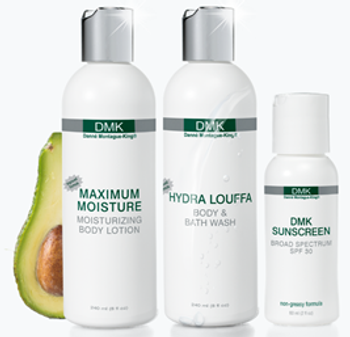
DMK Skin Care launches new products at their U.S. DMK clinics to help combat the effects of summer on the skin.

Dermatologists are some of the brightest and most entrepreneurial of all physicians. We can set up our own private equity firm and maintain control of our specialty. I believe it is possible. What do you think?
This week’s edition of The Mainstream Patient features stories about the difference between physical and chemical sunscreen, everything you need to know about exfoliants, a complete guide to laser hair removal, plus more.
ICYMI, some of the stories featured this week include a look at the impact of COVID-19 in patients on biologics, a novel filler injection technique, FDA approvals for psoriatic arthritis, a potential biomarker of psychiatric adverse events with isotretinoin use, plus more.

The Society of Pediatric Dermatology introduces a new president and executive committee for 2020-2021 during their virtual 45th Annual Meeting.

Guselkumab becomes the first IL-23 inhibitor approved for treatment of psoriatic arthritis by the U.S. Food and Drug Administration (FDA) following positive phase 3 results from two trials investigating the safety and efficacy of the drug.

The U.S. Food and Drug Administration has approved Mylan and Fujifilm Kyowa Kirin Biologics’ adalimumab-fkjp as a biosimilar to AbbVie’s adalimumab for a variety of inflammatory disease including plaque psoriasis and psoriatic arthritis.

Steven R. Feldman, M.D., Ph.D., describes several tactics based on concepts from behavioral economics that can be implemented in counseling conversations with patients.
This week's edition features stories in consumer media involving sunscreen terms, facial erythema, inner thigh chafing, pityrosporum folliculitis, how to treat "maskne," plus more.
ICYMI, some of the stories featured this week include a look at the impact of apremilast treatment for psoriasis on a patient who also tested positive for COVID-19, exploring IL-17 inhibition for rosacea, FDA approvals for a cellulite injectable and atopic dermatitis treatment, plus more.
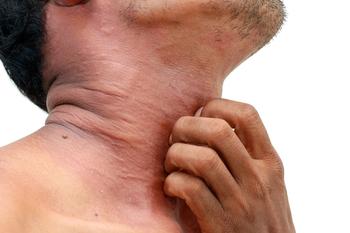
The U.S. Food and Drug administration has accepted the Biologics License Application for tralokinumab (LEO Pharma) for moderate-to-severe atopic dermatitis and is expected to make a decision in the second quarter of 2021.
With summer in full swing, this episode takes a look at how social media can influence sun protection use in teens and young adults, and why certain ingredients in sunscreens are considered controversial.
The U.S. FDA has approved collagenase clostridium histolyticum-aaes (Qwo, Endo International), making it the first FDA-approved injectable treatment for moderate-to-severe cellulite in the buttocks in adult women.
This week we feature articles about the rise in plastic surgery procedures and 'tweakments' during the COVID-19 pandemic, uses for aloe vera in skincare, retinol use for acne, plus more.
ICYMI, this week’s edition features a warning from the FDA about potentially toxic hand sanitizers, the latest data from the phase 3 bimekizumab trial for psoriasis, gene expression profiling for skin cancer, PRP for periorbital rejuvenation, plus more.

The U.S. Food and Drug Administration (FDA) has issued a warning about potentially toxic hand sanitizers.
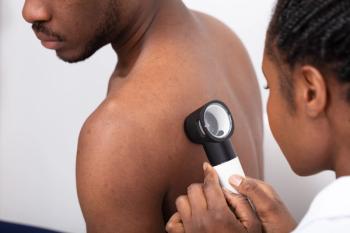
SanovaWorks announces they are moving their annual Skin of Color Update 2020 to a virtual setting amid various other live event cancellations due to the COVID-19 pandemic.
In this week's edition, we feature articles about expired sunscreen, uses for cortisone cream, Johnson & Johnson deciding to stop selling skin lightening products overseas, a warning from the FDA about possible toxic hand sanitizers, plus more.

The U.S. Food and Drug Administration has approved a single-dose 300 mg pre-filled pen version of dupilumab (Dupixent, Sanofi and Regeneron) for the treatment of atopic dermatitis, asthma and chronic rhinosinusitis with nasal polyposis (CRSwNP) in U.S. patients 12 years and older.
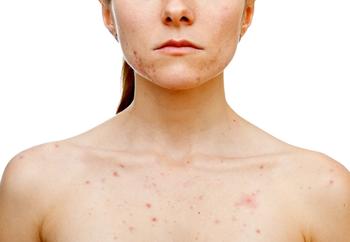
Almirall announces the U.S. Food and Drug Administration has approved the updated label for their oral antibiotic sarecycline (Seysara) for treatment of acne vulgaris to help promote the appropriate use of the drug to aid in preventing antimicrobial resistance commonly warned when using antibiotics
ICYMI, this week’s edition features a video series on social media use in dermatology, the launch of our new podcast, as well as articles about FDA approvals for acne and cSCC, progress in epidermolysis bullosa, new rosacea management treatment, plus more.
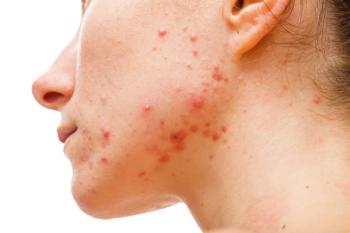
The U.S. Food and Drug Administration has approved the Abbreviated New Drug Application for topical retinoid adapalene gel USP, 0.3% from Alembic Pharmaceuticals and its joint venture Aleor Dermaceuticals for treatment of acne vulgaris.

In the final installment of our conversation with Adam Friedman, M.D., FAAD, he details what dermatologists should keep in mind when posting to social media.
Tazarotene lotion 0.045% (Arazlo, Ortho Dermatologics) is officially launched in the U.S. following approval by the U.S. Food and Drug Administration in late 2019 for the treatment of acne vulgaris in patients 9 years and older.

In part three of our video interview with Adam Friedman, M.D., FAAD, he discusses some of the benefits and pitfalls of colleague-to-colleague engagement on social media.
The U.S. Food and Drug Administration has approved pembrolizumab for cutaneous squamous cell carcinoma whose disease has shown to not be curable by radiation or surgery.
In our first episode of The Cutaneous Connection, Adam Friedman, M.D., FAAD, discusses his recent presentation at the first virtual American Academy of Dermatology meeting about cannabinoids use in dermatology.