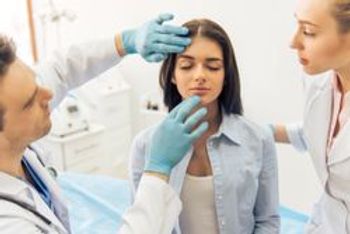
Next-generation therapies explore solutions other than laser treatments, and are less invasive, safer and require less downtime.
Cheryl Guttman Krader is a contributor to Dermatology Times, Ophthalmology Times, and Urology Times.
Next-generation therapies explore solutions other than laser treatments, and are less invasive, safer and require less downtime.
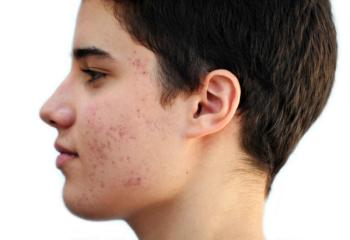
A recent paper suggests younger children with acne vulgaris should be treated the same as adolescents. This includes utilizing combination therapies that may consist of topic retinoids, benzoyl peroxide and other nonantibiotic agents in combination with antibiotics.
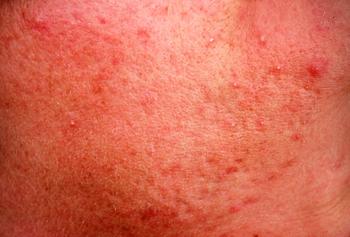
Fluorescence-advanced videodermatoscopy (FAV, Adamo Srl) for characterization of Demodex mites suggests that it can be a useful tool in the clinical evaluation and management of patients with Demodex-related skin diseases.
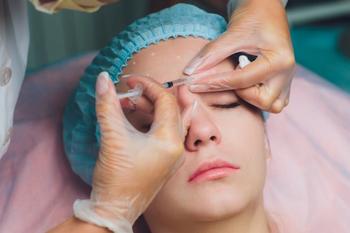
All safe and effective, the four neuromodulators with cosmetic indications have nuanced differences worth considering. Seth Matarasso, M.D., explains the benefits of these cosmetic neuromodulators, and reveals how to know when to choose the right one.

A novel robotic-controlled 1064-nm laser brings efficiency and precision to body contouring. The clinical trial supporting FDA clearance of the device showed its effectiveness based on blinded photographic assessments, ultrasound measurements and circumferential assessments.
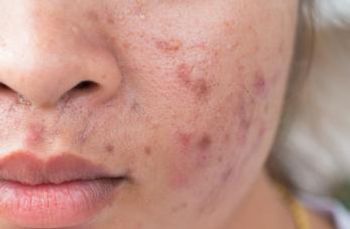
Spironolactone demonstrated notable safety and tolerability in females aged <21 years with refractory acne, according to a recent study from the Mayo Clinic.

Experts share best practices for optimizing treatments using neuromodulators, assessing the next breakthrough products and avoiding complications at the American Society for Dermatologic Surgery (ASDS) Virtual Annual Meeting.
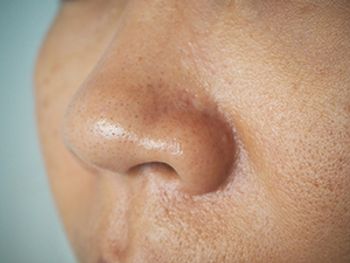
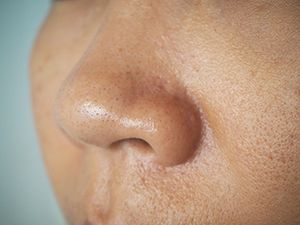
A retrospective review of patients seen in an academic dermatology clinic over a one-year period identified 20 individuals with nasal papules in association with acne, which are thought to represent scarring sequelae. The condition is underrecognized, researchers say and requires further research to better understand.
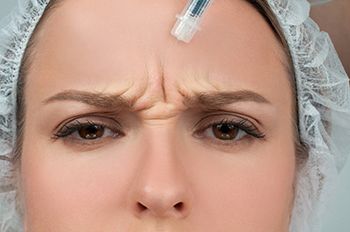
A series of needle punctures down to the periosteum along glabellar line(s) allows clinicians to assess for the presence of the supratrochlear artery and/or its branches prior to filler injection.

Safety guidelines from the European Academy of Facial Plastic Surgery Aesthetic Medicine Focus Group describe protocols for protecting clinic staff and patients from COVID-19. Recommendations include procedures before, during and after a patient visit, as well as necessary forms.
Researchers at Mount Sinai Medical Center are investigating interactions between immunomodulatory treatments used to manage inflammatory skin diseases and the effects on patients with COVID-19.
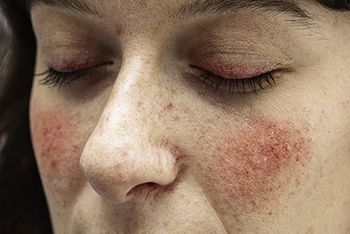
Many patients with rosacea have features that overlap more than one subtype of the condition. A recent publication serves as a compliment to the classification guide with the intention of guiding treatment and management options based on individual patient features.

Leveraging artificial intelligence as an assistive tool could open up opportunities for streamlining melanoma diagnosis, expanding practice scope, and enhancing patient care.
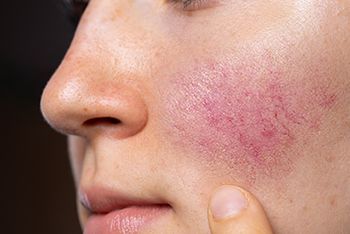
Effects of a specialized skincare regimen for sensitive and redness-prone skin were investigated in an eight-week, prospective, controlled clinical trial enrolling 60 patients with rosacea. The intervention was associated with improvements in objectively measured erythema, rosacea symptoms, and health-related quality of life.
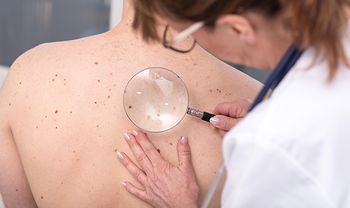
The International Skin Imaging Collaboration is an academic and industry partnership designed to facilitate the clinical application of digital skin imaging, with an initial focus on melanoma. The group is developing standards for dermatologic imaging and building a public archive of clinical and dermoscopic images for use in developing artificial intelligence diagnostic algorithms.
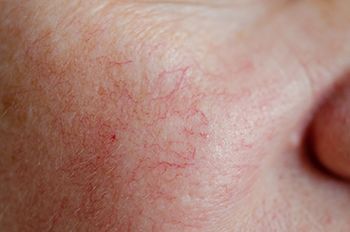
Experts offer insights into the inflammatory pathways involved in rosacea pathogenesis, the putative anti-inflammatory mechanisms of action of treatments for rosacea, and future therapeutic needs.

Findings from a survey of college students examining beliefs about UV exposure and sunscreen use and their associations with skin cancer risk and UV protective behaviors provide some insights for patient counseling.

Findings of initial studies and call for further testing should not be misconstrued to mean ingredients are unsafe.

Steven R. Feldman, M.D., Ph.D., describes several tactics based on concepts from behavioral economics that can be implemented in counseling conversations with patients.

A recently published review offers early insight into the risk and prognosis of COVID-19 in individuals receiving biologic therapy, providing recommendations for patient care and counseling.
Treatment with biologics may worsen infection risk, not prognosis, according to findings from a case-control study comprised of more than 10 million residents of the Lombardia region of Italy.
Case study finds no safety concerns, suggests possible benefit of apremilast for countering COVID-19 virus-induced inflammation.

Jonathan H. Zippin, M.D., Ph.D., explains what existing drugs and investigational compounds that inhibit the JAK-STAT pathway are being investigated as treatment for atopic dermatitis, alopecia areata, vitiligo and psoriasis.
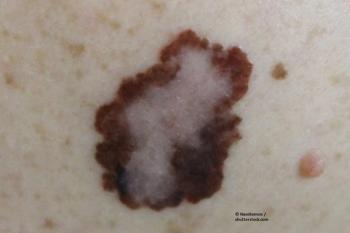
Recognition of patients with hereditary melanoma is important not only because these individuals require careful surveillance for future primary melanomas, but also because they may be predisposed to multiple other types of malignancies because of their genetic mutation, says Hensin Tsao, M.D., Ph.D.
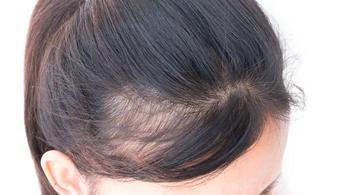
A variety of topical and injectable therapies are showing promise for addressing the problem of hair loss in both men and women, says Matt Leavitt, D.O.
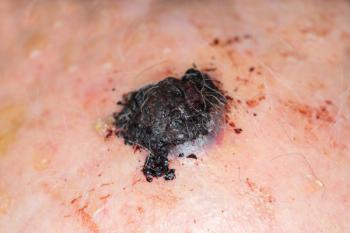
Use of systemic therapies for treatment of melanoma is growing, and so is the list of cutaneous side effects associated with their use.
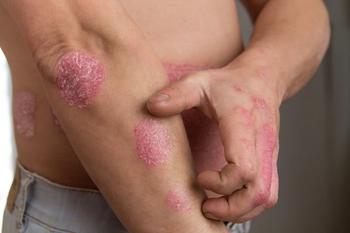
The interleukin-23 antagonist guselkumab demonstrated greater efficacy compared with adalimumab and secukinumab at week 48 in controlled clinical trials investigating treatment of moderate-to-severe plaque psoriasis.

Recent evidence of increased mast cell activity suggests mast cell stabilization as a target for rosacea treatment.
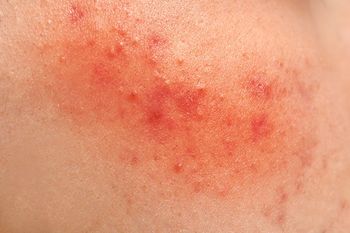
Speaking about device-based acne treatments at Maui Derm for Dermatologists 2020 meeting, Fernanda Sakamoto, Ph.D., M.D., discussed PDT and other approaches for targeting the sebaceous gland.

Designating April as Rosacea Awareness Month, the National Rosacea Society aims to increase public understanding of the condition and lead individuals who may be a ffected to seek medical help before their condition becomes worse.
November 20th 2020
September 10th 2020

November 18th 2020

October 9th 2020