


Verrica released positive data from its post-hoc pooled analysis of pivotal phase 3 trials investigating the safety and efficacy of VP-102 for the treatment of molluscum contagiosum.
Verrica released positive data from its post-hoc pooled analysis of pivotal phase 3 trials investigating the safety and efficacy of VP-102 for the treatment of molluscum contagiosum.

Medical device company, Soliton will present results from their 12-week study looking at the treatment of fibrotic scars using their RAP device at Maui Derm Jan. 25-29.

Hans Hofland, Ph.D, and Dr. Steve Xu shine a spotlight on Dermira and its novel topical medicine indicated for primary axillary hyperhidrosis in patients 9 years of age and older.

The distribution agreement between Revance and Swiss HA-based dermal filler and cosmeceutical manufacturing company, TEOXANE SA, may position Revance as a leader in the U.S. facial injectable market.

A variety of topical CBD products are becoming increasingly available to patients, but do they actually work? These experts believe more research is needed to create CBD-containing dermatology products that can effectively treat skin disorders.

Prebiotics, probiotics, postbiotics and peptides - according to Dr. Manjula Jegasothy, all eyes should be on these.
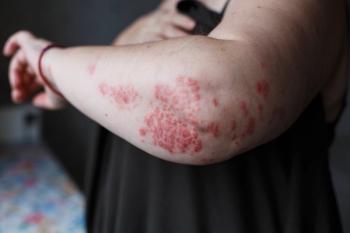
Results from an EU phase 3 clinical trial of a combination of betamethasone dipropionate and calcipotriene cream showed improved patient convenience, quality of life and efficacy compared to a betamethasone dipropionate and calcipotriene gel for patients with plaque psoriasis.

From plasma energy to CBD in skincare, these are a few of the hot topics the Dermatology Times team covered in 2019 that are worthy of keeping an eye on in 2020.

Dr. Joel Schlessinger prides himself on creating an interactive and open discussion opportunity at Cosmetic Surgery Forum, and he says his reasoning is simple: Why speculate when the experts are in the room?

Medical aesthetic company Cynosure announces TempSure Firm, a new RF treatment for stubborn cellulite.
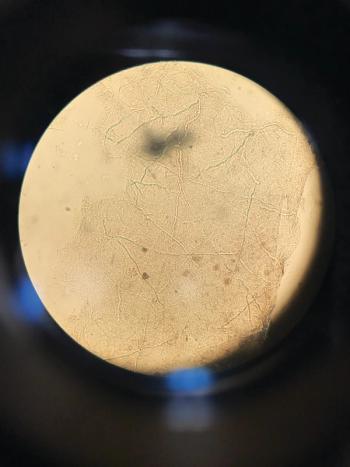
Performing fungal diagnostic preparations to confirm a suspected fungal infection should be a central tenant in dermatology, says this expert. But more than one-fifth of dermatologists surveyed said they never or rarely do fungal preparations in practice.

A recent study examines the safety and efficacy of picosecond laser as a melasma treatment during a time when lasers are increasingly being used to treat the condition.
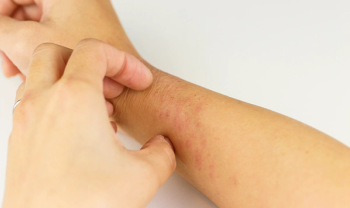
The United States Food and Drug Administration has granted Galderma’s nemolizumab a Breakthrough Therapy Designation following phase 2 results which suggests the drug is a considerable alleviant for pruritus associated with prurigo nodularis.
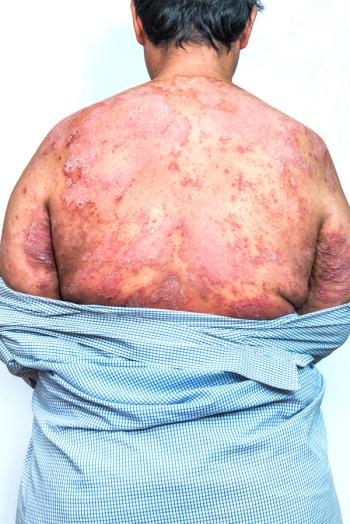
Leo Pharma A/S and Portal Instruments are now collaborating on a new needle-free handheld jet injector for patients that self-administer medicines for cutaneous diseases and ailments.

In the decades that Dermatology Times reporters have covered the specialty, we’ve had the pleasure of profiling the specialty’s champions. Some shared their professional accomplishments, while others revealed unknown aspects of their personal lives. Here just some of the interesting tidbits from years’ past.

Study shows clinical benefit of PRP in a stabilized vehicle for SoME Skincare product.

Allan C. Halpern, M.D., discusses what dermatologists need to understand about AI and how it might interact with or disrupt the specialty.

As non-surgical aesthetic procedures continue to grow, so do the number of medical spas that perform cosmetic treatments. According to Dr. Renato Saltz, that’s not necessarily a bad thing.

According to Dr. Gary Linkov, effectively evaluating hair loss in women requires a strategic approach and comprehensive patient consultation.

CBD is taking the market by storm, but does it offer benefits to the skin itself? With their new line of CBD skincare and wellness products, Dermaquest says yes.

Oculoplastic surgeon William Mack, M.D., says identifying and surgically correcting (or referring) ptosis in cosmetic blepharoplasty patients is key to delivering optimal results.

According to Dr. Michael Somenek, the key to great results and happy male patients is knowing how to treat his face without feminizing his features.

To recognize Antibiotic Awareness Week, we’ve gathered articles on antibiotic use in acne, alternative therapies and treatment trends in the specialty. View the highlights in this slideshow.
Instagram and Snapchat may be detrimental to young people’s mental health. But can (and should) Instagram shield youth from cosmetic surgery procedure posts?

Dr. Wever discusses the prevalence of BDD in the aesthetic practice and how to identify the psychological disorder.
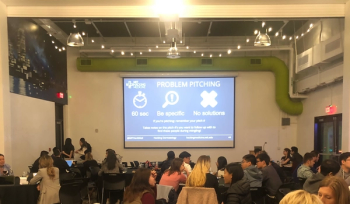
By the end of a three-day weekend, five of the teams at Hacking Dermatology's 2019 Hackathon walked away with $5,000 each. Learn more about the collaboration that took place and the solutions each team developed to solve pressing problem areas in dermatology.
Brett Coldiron, M.D., offers insight on how recent legislative and regulatory changes may impact your practice.

Stay up-to-date on the most recent clinical advances in atopic dermatitis.

The appointment of Mary Lynn Moran, M.D., F.A.C.S., as the first female president of AAFPRS suggests growth in female access to leadership roles in the medical aesthetics industry.

In this month's Innovation article, Steve Xu, M.D., FAAD, highlights a company and innovator who are using artificial intelligence to augment physician decision-making, not replace it.