


The International Society of Hair Restoration Surgery (ISHRS) has decided to move their 2020 world congress online, taking place Oct. 17-25. The world congress was initially supposed to be held in person in Panama.
The International Society of Hair Restoration Surgery (ISHRS) has decided to move their 2020 world congress online, taking place Oct. 17-25. The world congress was initially supposed to be held in person in Panama.

This episode discusses how to become a pediatric dermatologist, including the associated benefits, compensation and responsibilities with Heather Brandling-Bennett, M.D.

BIOTOC, a noninvasive alternative to injectables skincare line from k-beauty company Dermafirm Inc., has launched in the U.S.

This week’s edition of The Mainstream Patient features stories about hair loss and COVID-19, natural deodorant rashes, cortisone shots for acne, CVS removing octinoxate and oxybenzone from its store-brand sunscreens, plus more.

Geneticist Thomas M. Hitchcock, Ph.D., explores the relationship between skin and its microbes. Through a series of interviews with dermatology experts, he shares insight into what is the skin microbiome and why it is critical to skin health.

ICYMI, some of the content featured this week includes combination treatments for keloids, inflammatory pathways involved in rosacea pathogenesis, using smartphones to improve GEA scale assessment in patients with darker skin types, the use of artificial intelligence for evaluating acne severity, plus more.

AbbVie announces the launch of their hidradenitis suppurativa-centered educational website aimed at bringing awareness and educating physicians on the disease.

A Danish dermatology company releases their new HIFU device, TOOsonix System ONE-M, for treatment of color-independent tattoo removal, spider veins, lentigines, telangiectasia, angiomas and various other aesthetic conditions.

Top educators in dermatology will come together to deliver CME lectures and engaging panel discussions via a premiere virtual platform. Learn more about MauiDerm Connect coming September 23-27.
This week’s edition of The Mainstream Patient features stories about sun protection myths, hand sanitizer-induced eczema, at-home dermaplaning, anti-stress skincare, plus more.
ICYMI, this week we featured a new episode of The Cutaneous Connection, a hyperspectral technology company helping to investigate COVID-19-related skin findings, cannabinoid-containing products and their effects on prescription medications, plus more.

The U.S. Food and Drug Administration has approved IL-12/IL-23 inhibitor ustekinumab (Stelara, Janssen Pharmaceutical Companies of Johnson & Johnson) for treatment of moderate-to-severe plaque psoriasis in pediatric patients 6-11 years.

Hyperspectral imaging company, HinaLea Imaging, is using their technology to study the skin manifestations of critical COVID-19 patients to help identify the prognostic value of these skin symptoms.
This episode dives into emerging research regarding probiotics specifically tailored to treat psoriasis and possibly other inflammatory skin diseases.

Researchers have identified and developed lists of medications that may not function properly due to concomitant cannabinoid use in an effort to help medical professionals prescribe prescription drugs safely to their patients.

The U.S. Food and Drug Administration (FDA) has granted JAK-inhibitor delgocitinib cream (LEO Pharma) Fast Track Designation for chronic hand eczema.

The American College of Physicians (ACP) claims the changes to payments for offices visits will benefit physicians and practices.

A recently published study finds from 2008 to 2017, primary care physicians received only a slightly greater rise in compensation than specialists under the 2010 Affordable Care Act.
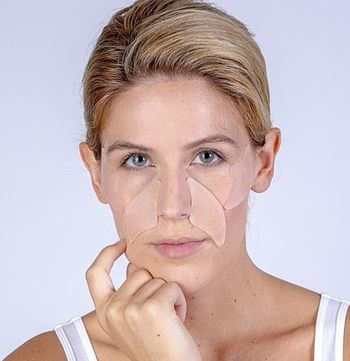
SilcSkin introduces their Multi-Area Pads to help treat fine lines and wrinkles in the mouth area.

The European Commission has approved secukinumab (Cosentyx, Novartis) for treatment of moderate-to-severe plaque psoriasis in pediatric patients 6<18 years in the European Union.

The Centers for Medicare & Medicaid Services (CMS) has proposed a permanent expansion of telehealth to ensure healthcare access in rural areas.

Demandforce introduces their mobile app, available free to all Demandforce users, aimed at making practice operations and the lives of physicians easier through streamlined communication and office efficiency.
This week’s edition of The Mainstream Patient features stories about sun spots, niacinamide, proper body hair removal, psoriasis-related mental health treatment, plus more.
ICYMI, some of the content featured this week includes results from trials investigating topical minocycline and calcipotriene betamethasone foam. Also, FDA approval of a combination treatment for advanced melanoma, a new picosecond laser, plus more.

The U.S. Food and Drug Administration has approved atezolizumab plus cobimetinib and vemurafenib for treatment of BRAF V600 mutation-positive advanced melanoma. Studies show the combination treatment prolonged patients’ lives by 15 months without disease worsening.

The new 730-nm picosecond laser demonstrates strong efficacy and safety in darker skin types for treatment of endogenous pigmentary disorders, according to a recent case study.

The FDA expands their list of hand sanitizers found to contain methanol, a toxic chemical, which, when absorbed through the skin or ingested, can lead to adverse events.

Cath O'Niell, chief scientific officer at SkinBioTherapeutics and professor of translational dermatology at the University of Manchester, discusses her recent research on developing probiotics to treat psoriasis and other inflammatory skin diseases.
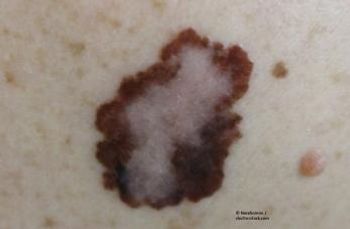
A recently published pooled 10-year analysis shows pembrolizumab demonstrates long-term survival benefits for advanced melanoma patients regardless of BRAF V600E/K mutation status or history of BRAFi, with or without MEKi therapy.
This week’s edition of The Mainstream Patient features stories about inflammation-linked aging, how to get rid of varicose veins, Kybella for under the chin, plus more.