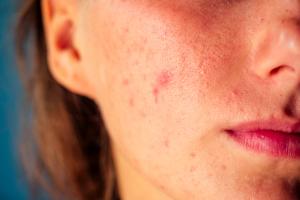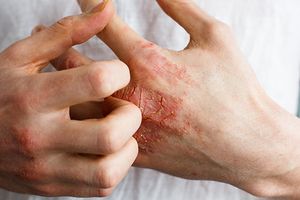
Patients with skin conditions may be more likely to contract the disease but less likely to become severely ill.
Cheryl Guttman Krader, BS, Pharm, is a contributing author for Dermatology Times.
Patients with skin conditions may be more likely to contract the disease but less likely to become severely ill.

New and forthcoming options bring opportunity for optimizing patient care.
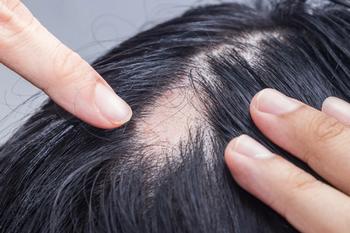
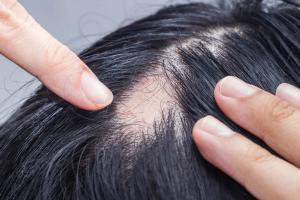
Hair regrowth was observed after starting dupilumab treatment in some pediatric patients with a history of severe and refractory alopecia areata (AA) and concomitant atopic dermatitis (AD).

A higher prevalence of vitamin D deficiency in people of color may be contributing to a higher burden of COVID-19 in minority populations. Dermatologists are encouraged to address vitamin D status in patients and recommend supplementation, which might have other health benefits.

Regenerative medicine is still in its infancy, but patient demand and ease of use are growing its popularity among dermatologists. However, regulatory issues raise concerns.
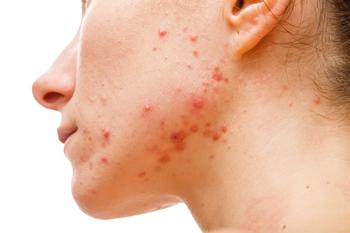
Data from trials show tazarotene 0.045% lotion is an effective treatment for moderate to severe facial acne and improves acne-related QOL in patients across BMI categories.
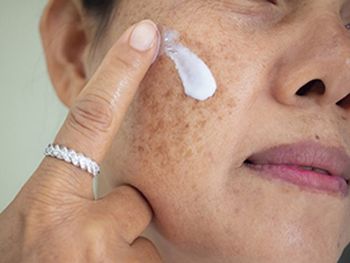
An array of agents for blocking visible light and lightening skin are joining the armamentarium to treat melasma. Despite this expanding number of therapeutic interventions, melasma is a chronic, therapeutically challenging disease for which there is no cure, so treatment plans should address both management of the disease and patient expectations.

Expert offers tips on understanding and complying with regulations governing this growing sector.

The limited armamentarium of systemic therapies for atopic dermatitis has already been expanded with the approval of dupilumab. Forthcoming systemic therapies are expected to include a new biologic and three new Janus kinase (JAK) inhibitors.

Patients with high oxytocin levels had significantly lower (more youthful-looking) skin age scores than expected, even with strong histories of lifetime sun exposure, according to a recent study.

Factoring in a patient’s genetic heritage when choosing an acne care regimen could improve adherence, according to survey results that identify race-related differences in preferred sources of information and treatments for acne.

Pre- and postmarketing psoriasis studies support novel drug results and new labeling.

New treatments for atopic dermatitis offer more options with favorable safety and efficacy.
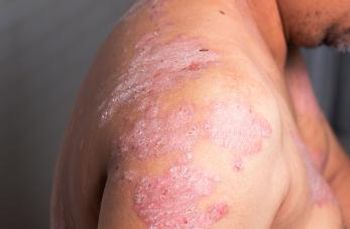
According to one expert, recently completed phase 3 trials of novel drugs have shown impressive results, with 2021 expected to be an exciting year that will bring further advances in treatment options for patients with moderate-to-severe plaque psoriasis.
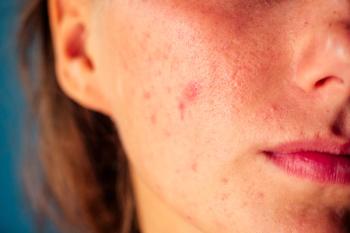
Acne research delineating molecular and cellular pathogenic pathways gives insight into new therapeutic targets. According to a recent review, biologics and other therapies that modulate scar formation and wound healing will have value for treating severe acne.

A retrospective study shows significant differences in the characteristics of patients seen by telehealth during the COVID-19 pandemic versus those seen during in-office visits 1 year earlier.

A split-face study investigating facial rejuvenation found better outcomes using microneedling followed by topical application of a stem cell derived conditioned media versus microneedling alone.
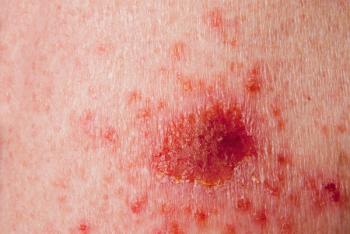
Promising outcomes are being reported from clinical trials investigating Nano-Pulse Stimulation technology to treat nodular basal cell carcinoma and cutaneous, non-genital warts.
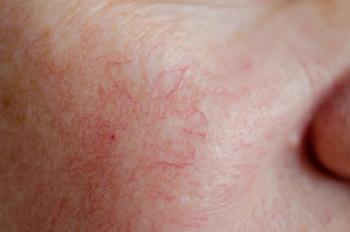
Treatment with a pulsed dye laser followed immediately by intradermal botulinumtoxinA injections appears safe and improved erythema, flushing, burning and pruritus, according to a recent study.
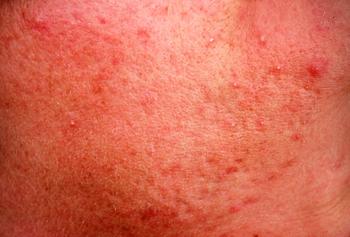
The 21-member global ROSacea Consensus panel developed updated recommendations for rosacea, diagnosis, classification and management to support and promote transition to a phenotype approach in rosacea.
The idea that rosacea is uncommon in darker skinned individuals may be due to under-recognition. Careful clinical examination, a thorough history and biopsy in some cases are needed for accurate diagnosis and differentiating rosacea from diseases that may be more common.
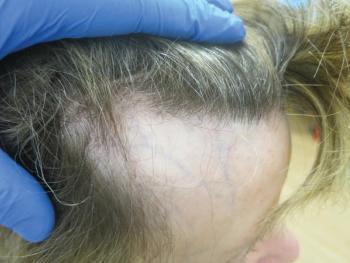
Patients may be afraid to use a sunscreen considering reports describing the potential for a variety of adverse effects. Physicians should seek a strong understanding of the evidence to discuss benefits and safety with patients and encourage proper sunscreen use.
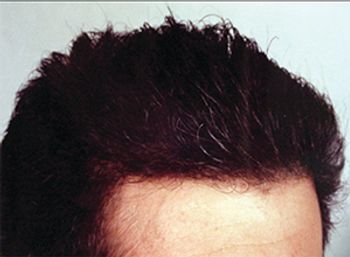
Excellent results can be achieved using either follicular unit extraction/excision (FUE) or follicular unit transplantation/transfer (FUT) for hair transplantation. Technique selection should consider the unique needs, considerations, and preferences of the patient, experts say.
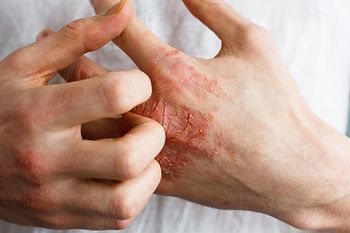
Gusacitinib, an investigational oral Janus kinase/spleen tyrosine kinase inhibitor, demonstrated statistical superiority compared with placebo for improving chronic hand eczema in a phase 2b study.

A retrospective review of pediatric patients treated for psoriasis with systemic agents provides much needed insight about the safety and tolerability of these medications.
Two novel energy-based approaches are ushering in a new era in acne treatment. One expert addresses the role these devices may play.
New findings support dietary and supplementation practices that can influence acne. One expert discusses modifications in context of protocols for managing the condition.

January 12th 2021

February 9th 2021
July 1st 2021

February 26th 2021